

2026
Finalist
People's Choice Award
Hillside Elementary School
Best In Show
Alley Poyner Macchietto Architecture

Dana Damewood



No items found.
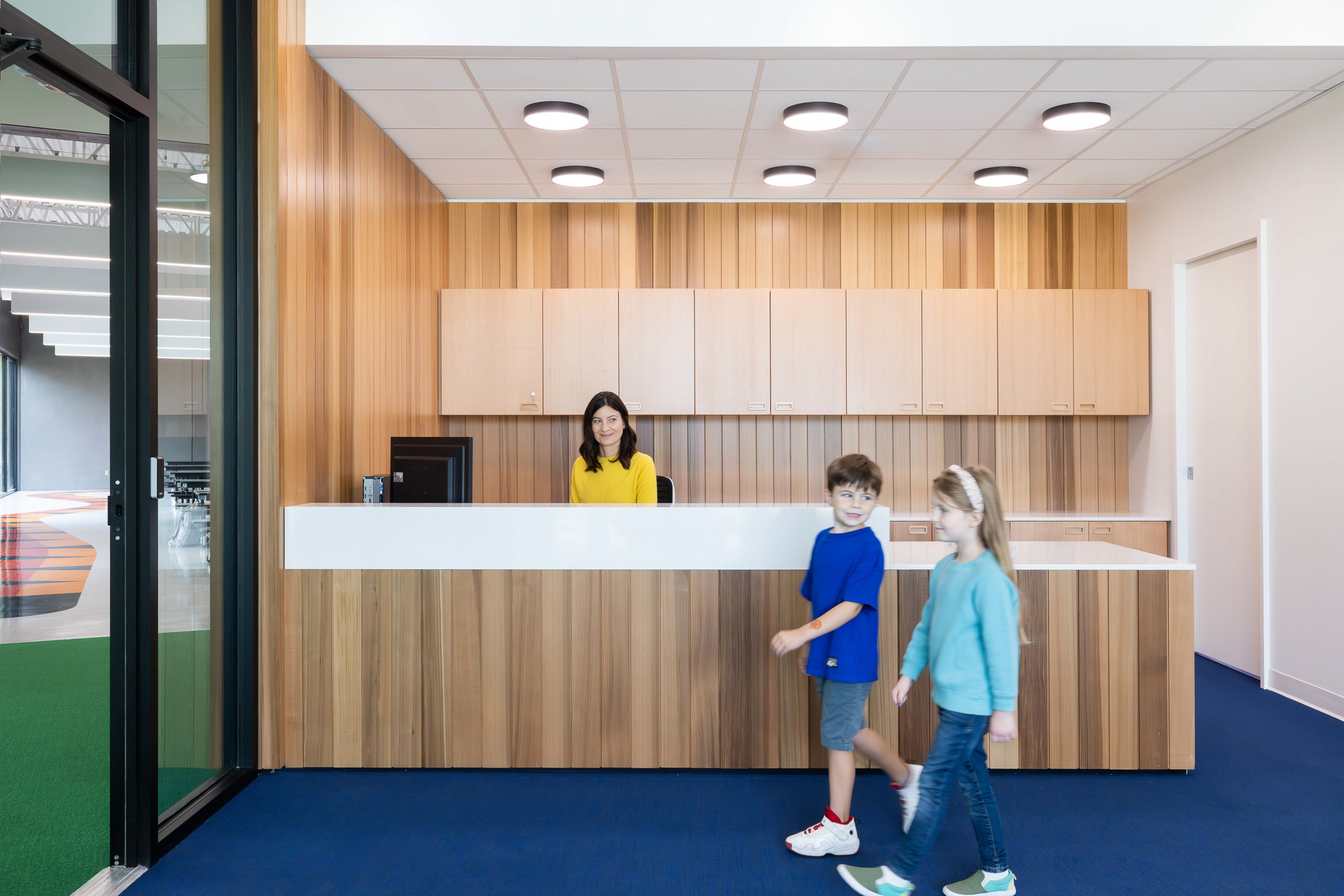
Hillside Elementary School is a 66,000-square-foot K–6 facility serving more than 350 students, nearly half of whom qualify for free or reduced lunch. As one of the district’s largest elementary schools, strong school pride shaped the design approach, creating a learning environment that supports both student and teacher success while reinforcing a sense of community and belonging.
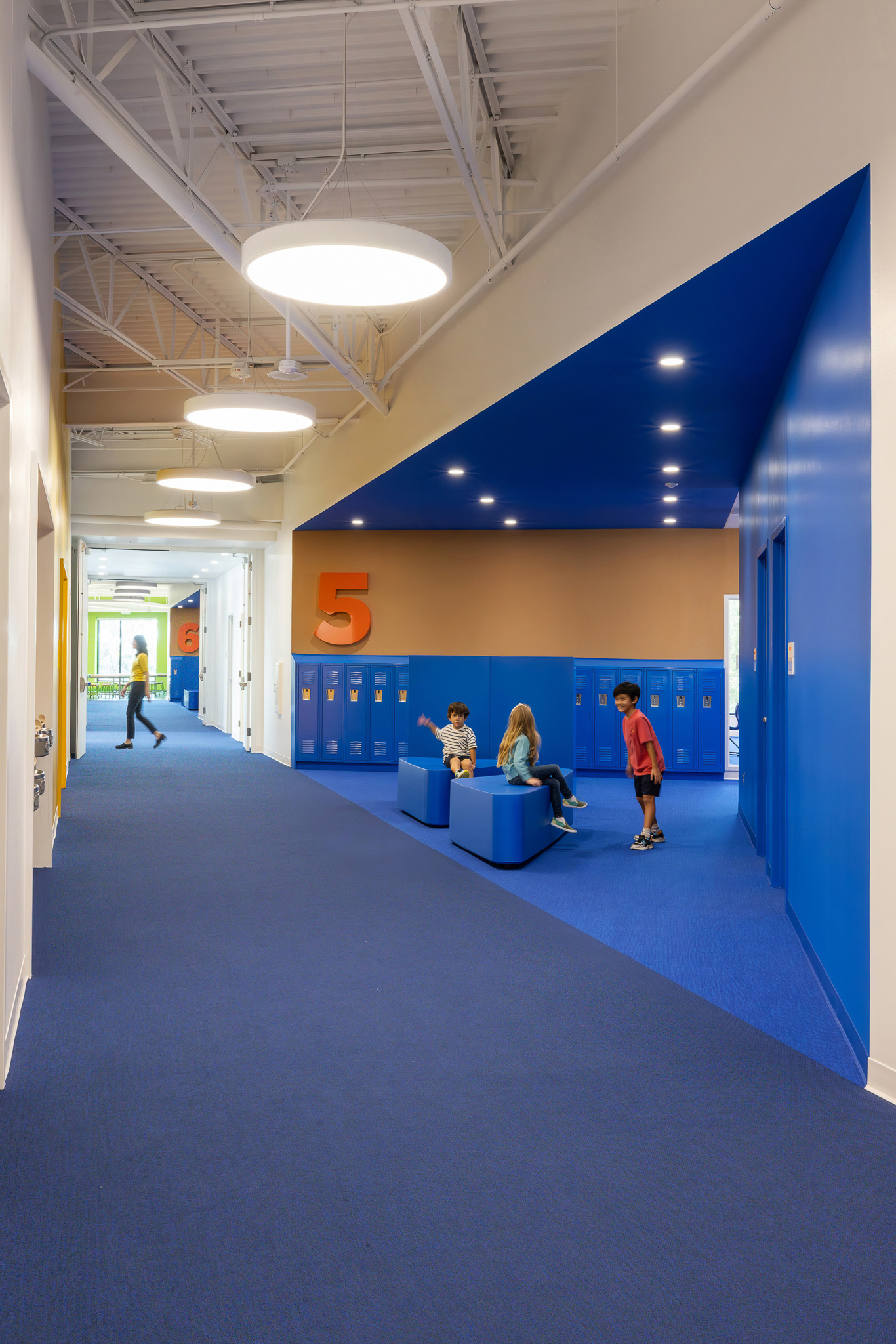
The building is organized into a public zone that houses administration, a student commons, and the gym, alongside a more secure academic area containing classrooms, the library, and specialty learning spaces. Three grade-level clusters branch from a central circulation spine, giving each cohort identity and ownership while sharing collaboration rooms and breakout spaces that encourage cross-grade interaction and flexible learning.
Well-being is foundational to the project. An on-site health clinic provides families with convenient access to medical resources, while the broader design promotes wellness through daylighting, acoustic comfort, and environments that support focus, connection, and emotional comfort. Collaboration with specialists in universal design and neurodivergence informed spaces responsive to varied sensory and learning needs. The biophilic design principles of prospect, refuge, mystery, and awe, further strengthen occupants’ connection to nature.
Classrooms are oriented to provide views of nature, while large corridor and classroom windows bring daylight deep into the building, visually extending interior spaces and supporting a sense of openness and comfort. This openness is balanced with sheltered environments created by the branching organization of grade-level clusters, forming smaller, quieter zones for focused learning. Collaboration rooms and breakout niches, combined with varied ceiling heights and flexible furnishings, provide protected spaces for small-group interaction outside circulation flow.
Layered circulation paths and strategically placed openings create moments of discovery as students move through the building. Framed views into collaboration spaces and courtyards encourage exploration and curiosity through partial concealment and unfolding spatial experiences. Larger gathering spaces and commons areas feature expansive daylight and strong visual connections to surrounding trees and landscape, creating uplifting environments that foster moments of wonder and support overall well-being.
Color theory further enhances the learning environments by reinforcing program identity and supporting emotional comfort. Intentional color palettes help define spaces while aligning with desired outcomes: blues promote calm and reasoning, greens support concentration and restoration, pink tones encourage kindness and calm, and orange introduces energy and optimism to stimulate engagement and memory.
Sustainability strategies are integrated throughout the project and driven by measurable performance goals. Extensive daylighting reduces reliance on artificial lighting while enhancing occupant comfort and lowering energy use. Durable, low-maintenance materials minimize lifecycle waste and support long-term operational efficiency.
Landscape design reinforces environmental stewardship by preserving mature trees within outdoor learning spaces while introducing new plantings that enhance biodiversity and improve stormwater absorption, reducing strain on municipal infrastructure.
Together, these strategies produce measurable outcomes including lower energy consumption, improved indoor environmental quality, and stronger connections between occupants and the ecological systems surrounding the school, ensuring Hillside Elementary supports student success, community well-being, and long-term environmental responsibility.


