Four Days in London: A Designer’s Story
DDF: London Design Festival Day 4: Pavilions and Palaces

London Design Festival
Day 4 – Pavilions and Palaces: Design Between Ephemeral and Eternal
A Closing Chapter in the Park
The final day of the London Design Festival unfolded as a meditation on time. After days spent exploring perspectives, layers, and materials, today brought us face-to-face with architecture’s most profound duality: its impermanence and its permanence. From Marina Tabassum’s Serpentine Pavilion — airy, temporary, destined to vanish — to Buckingham Palace and Westminster Abbey — solid, gilded, centuries-deep — we experienced the full spectrum of what design can be.


The Tradition of the Serpentine Pavilion
Since 2000, the Serpentine Pavilion has been one of architecture’s most anticipated annual commissions. Each summer, the Serpentine Galleries invite an architect, specifically one who has not yet built in the UK, to design a temporary structure in Kensington Gardens.
The list of past pavilions reads like a roll call of contemporary design: Zaha Hadid, Rem Koolhaas, Oscar Niemeyer, Frank Gehry, Jean Nouvel, and Bjarke Ingels. Each pavilion has been different in form and material — twisting glass, glowing polycarbonate, latticed timber — but all share the same premise: to create a temporary communal space that blurs the line between sculpture and building.
This tradition has made the Pavilion an architectural laboratory. It is freed from the constraints of permanence: no need for heating, plumbing, or long-term weatherproofing. Architects can experiment, speculate, and provoke. For the public, it offers an annual opportunity to inhabit ideas rather than monuments.
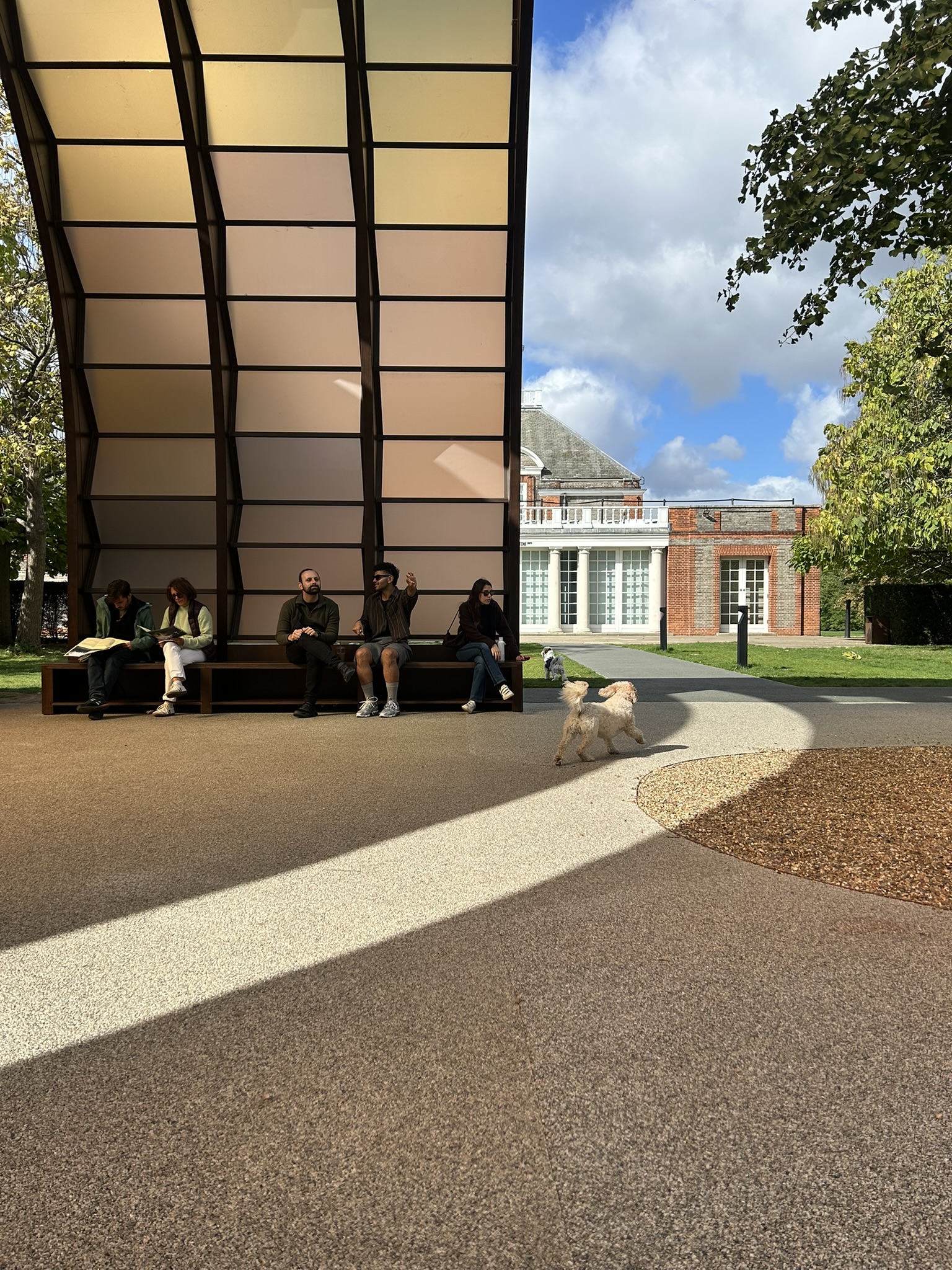
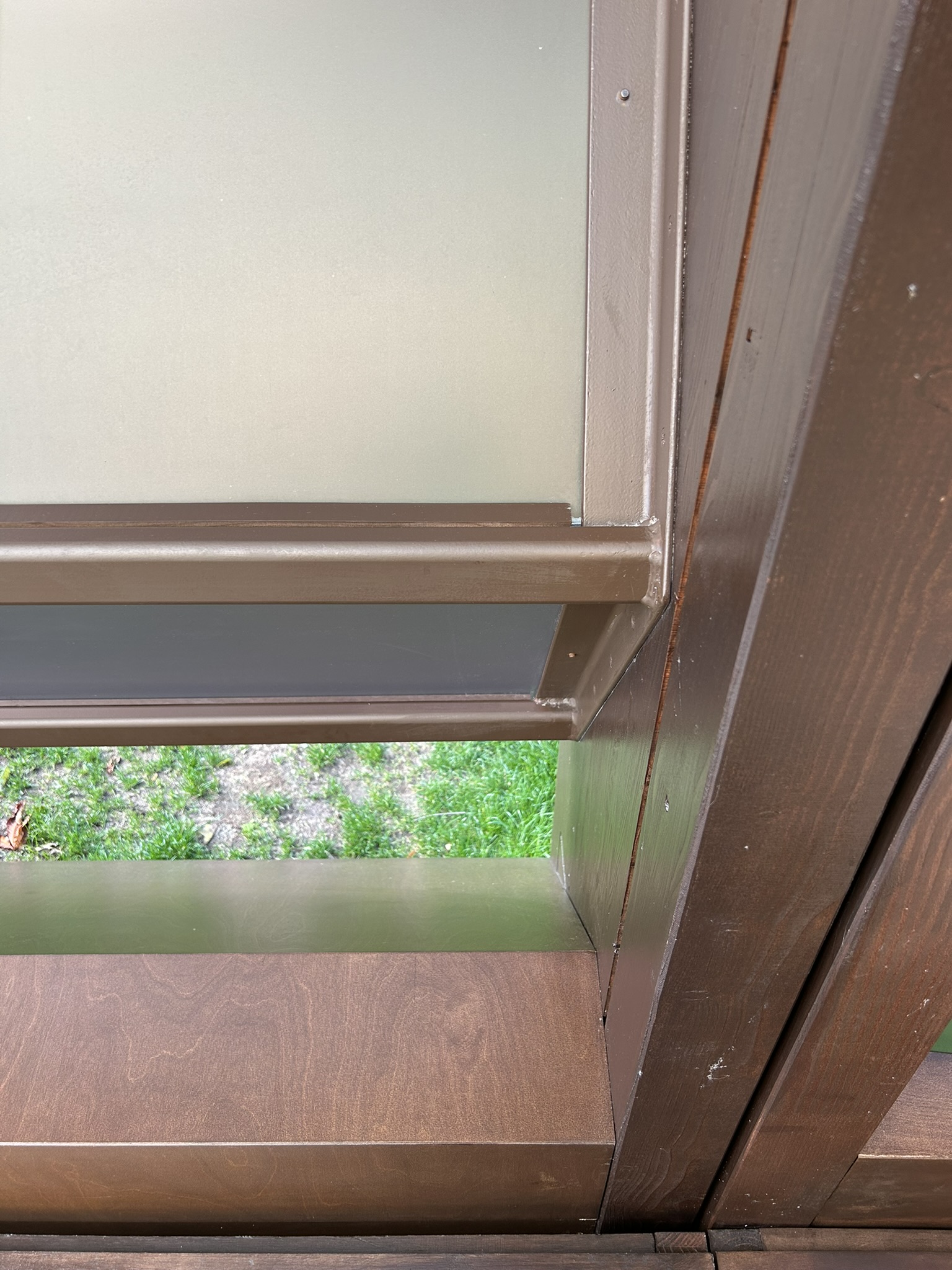
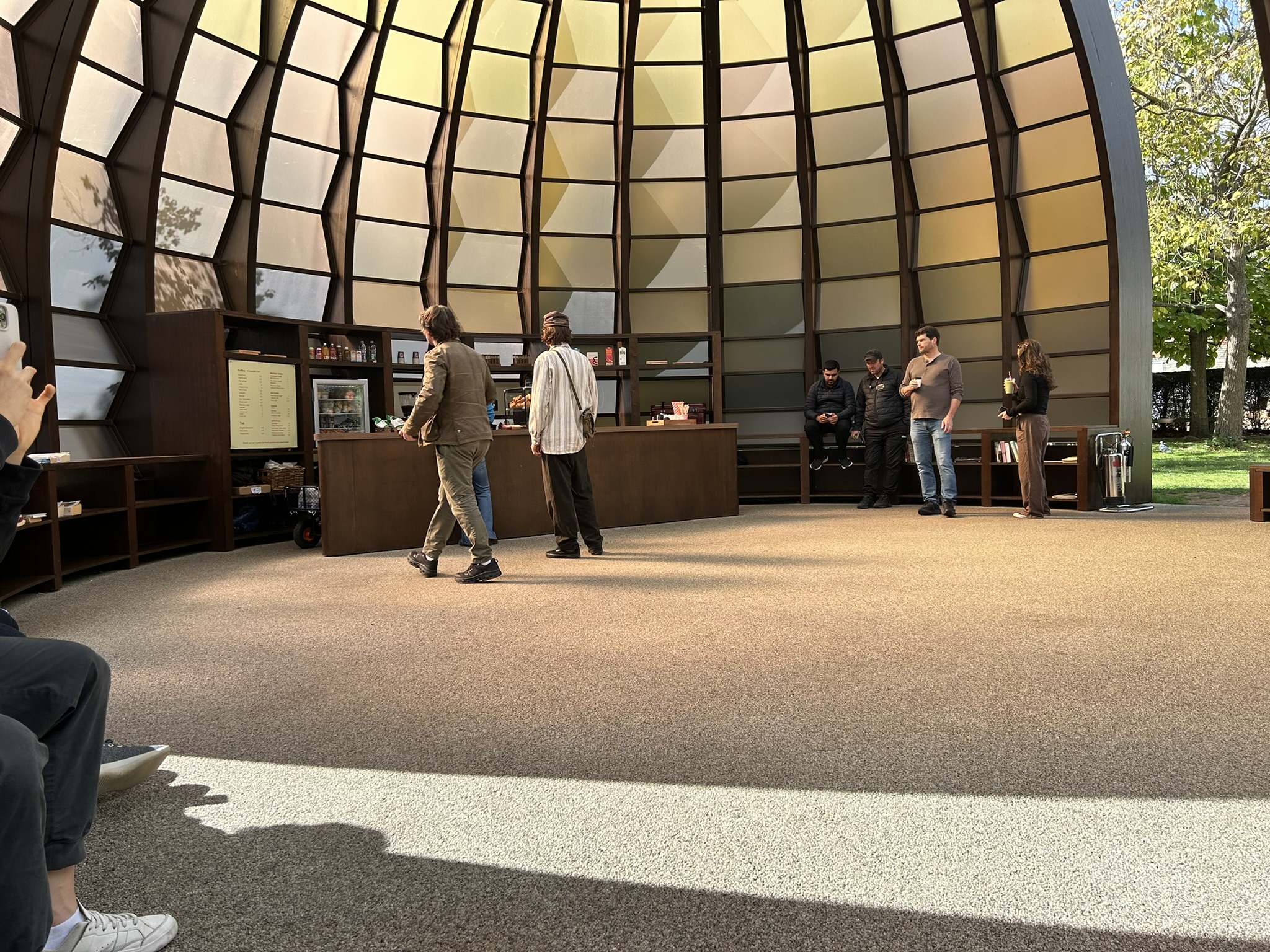
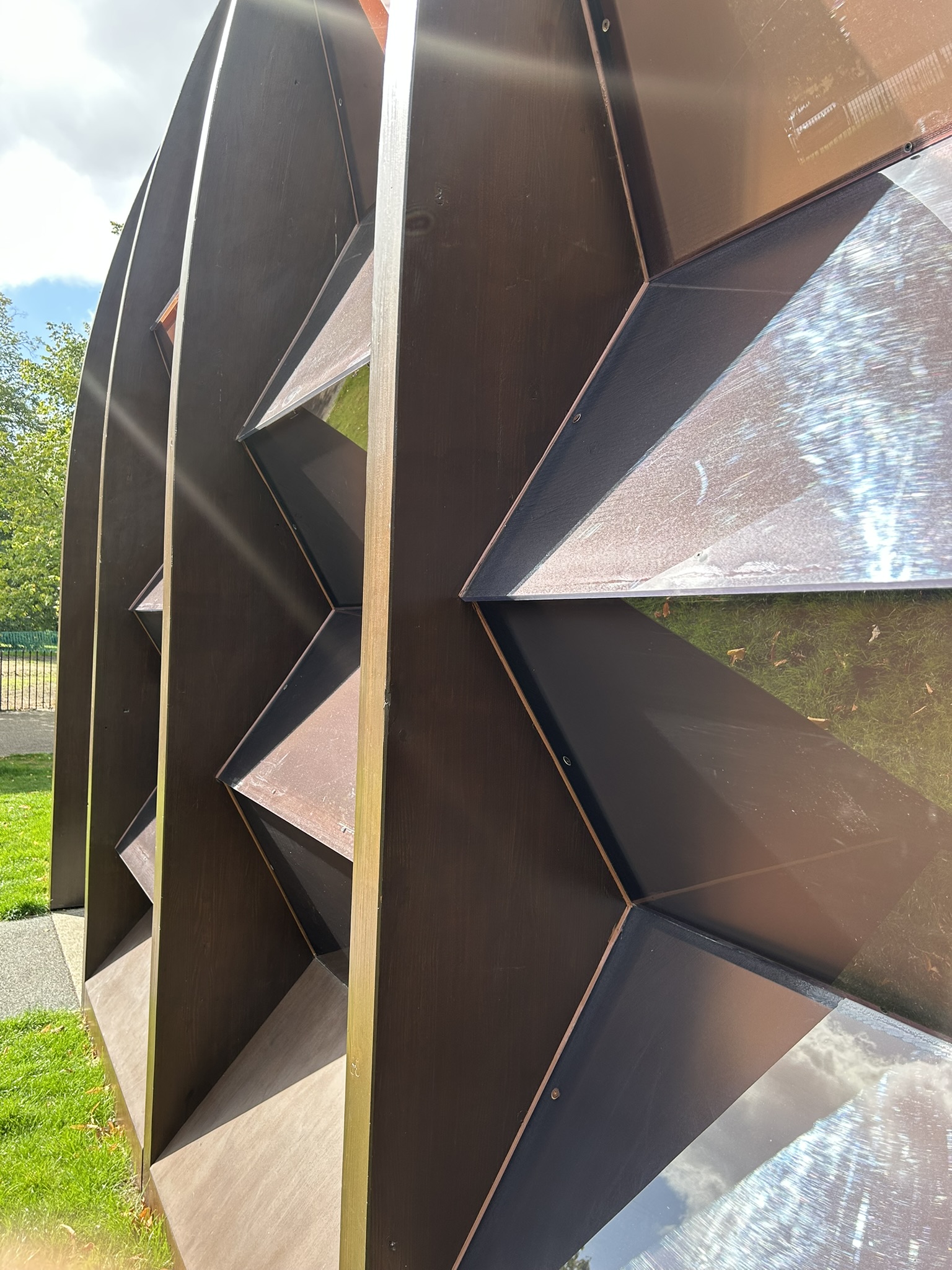
Serpentine Pavilion: A Living Room in the Park
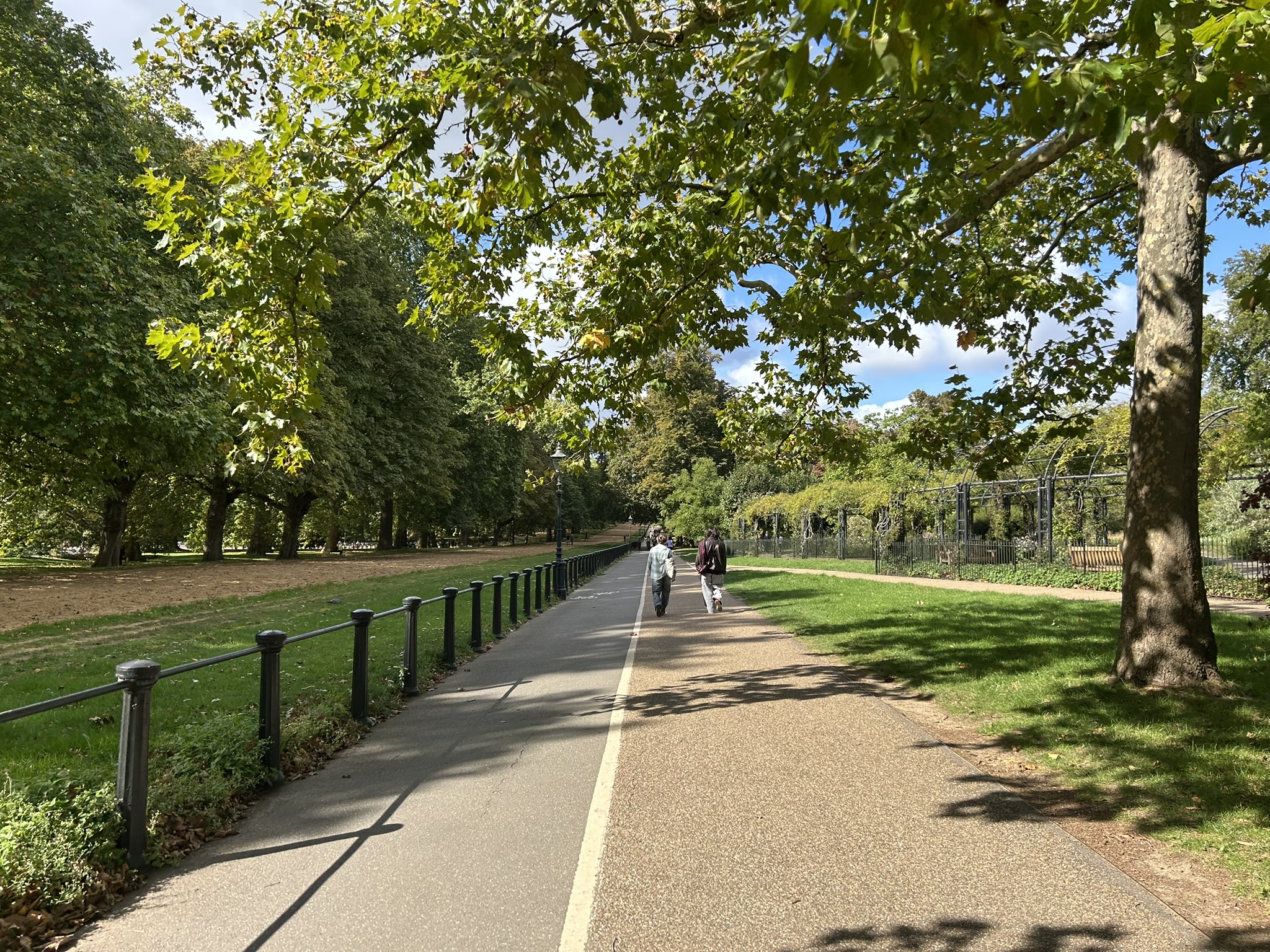
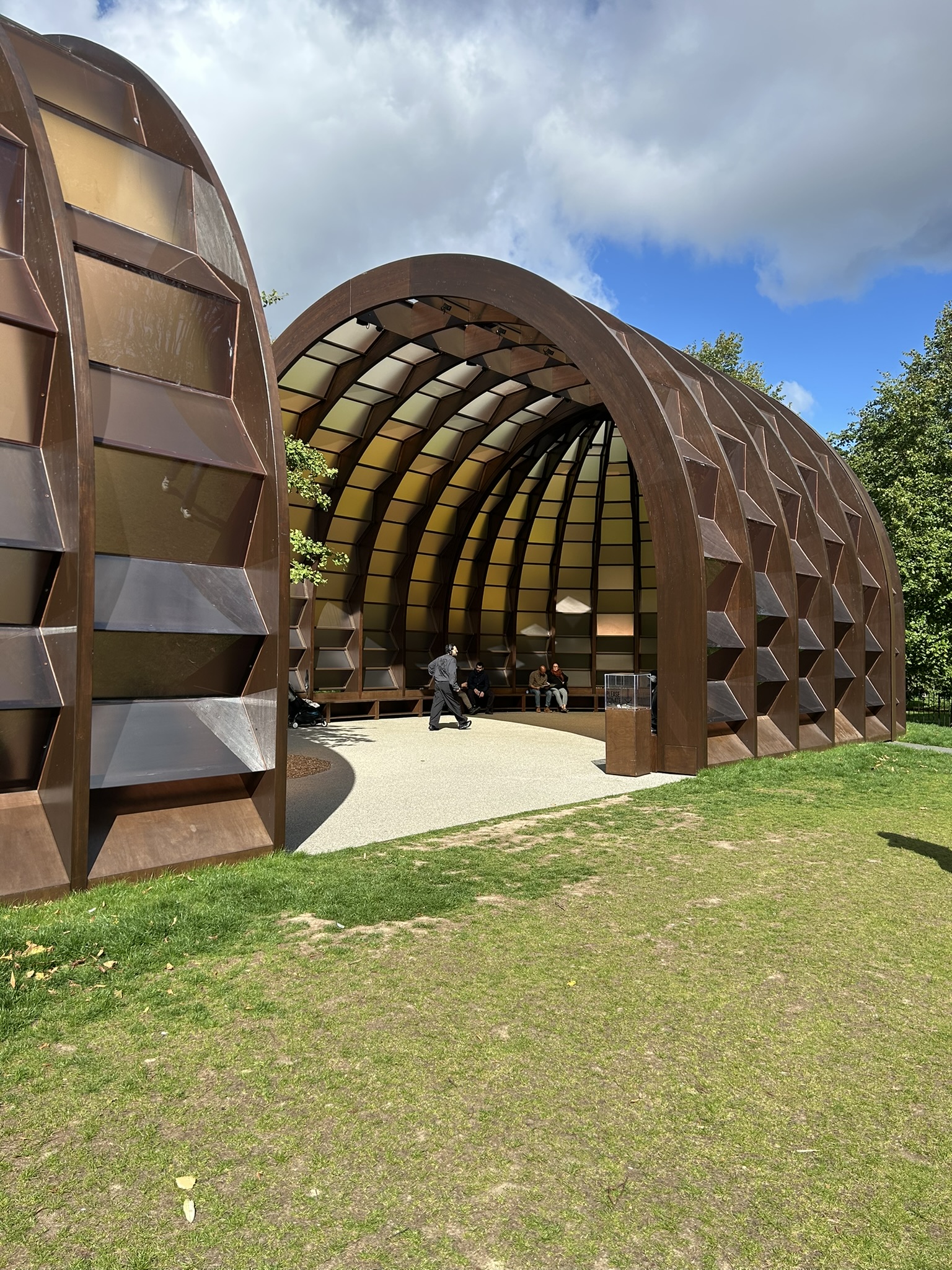
This year’s pavilion was designed by Marina Tabassum, the Bangladeshi architect celebrated for her work that merges vernacular traditions with modern innovation.
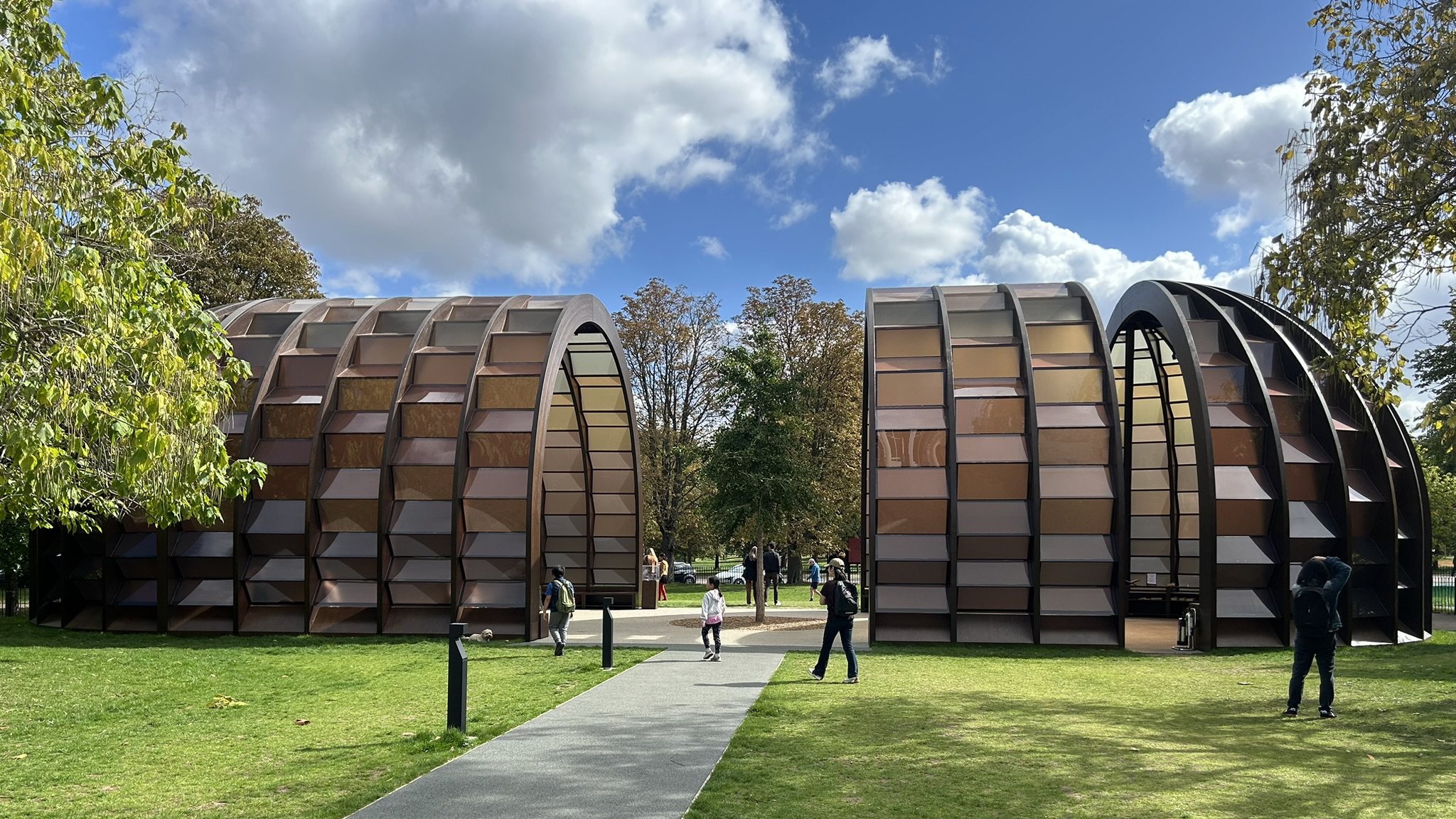
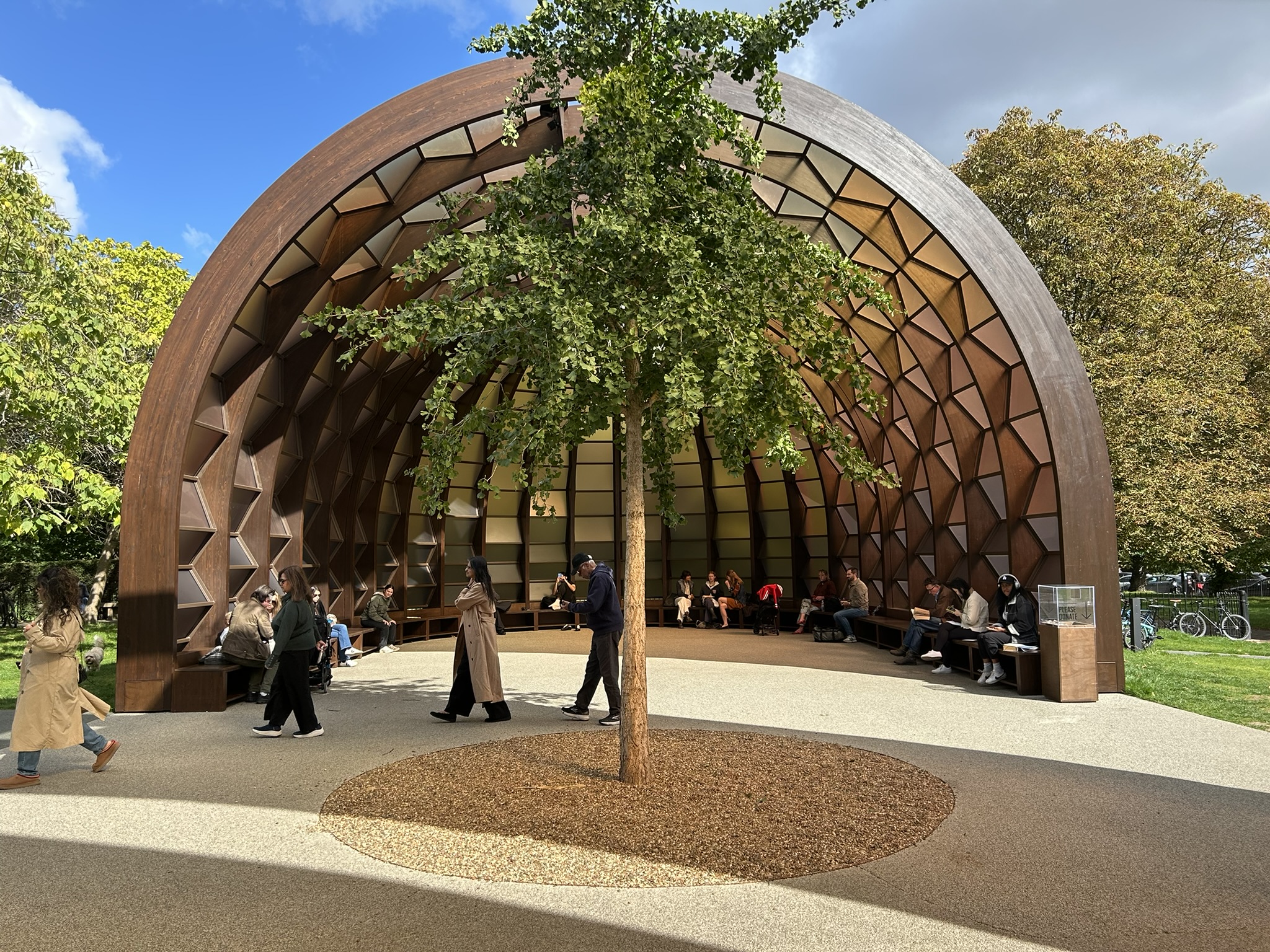
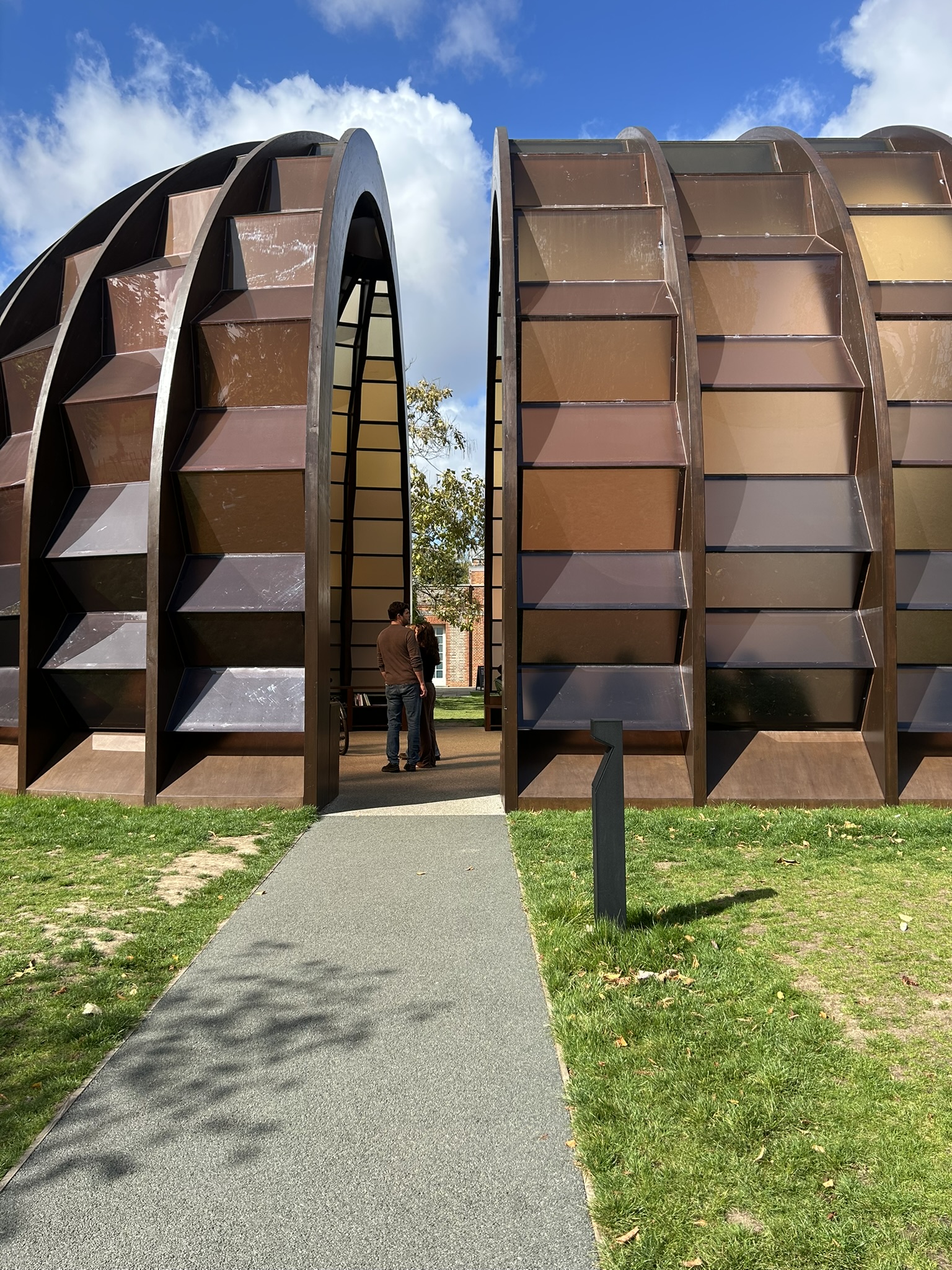
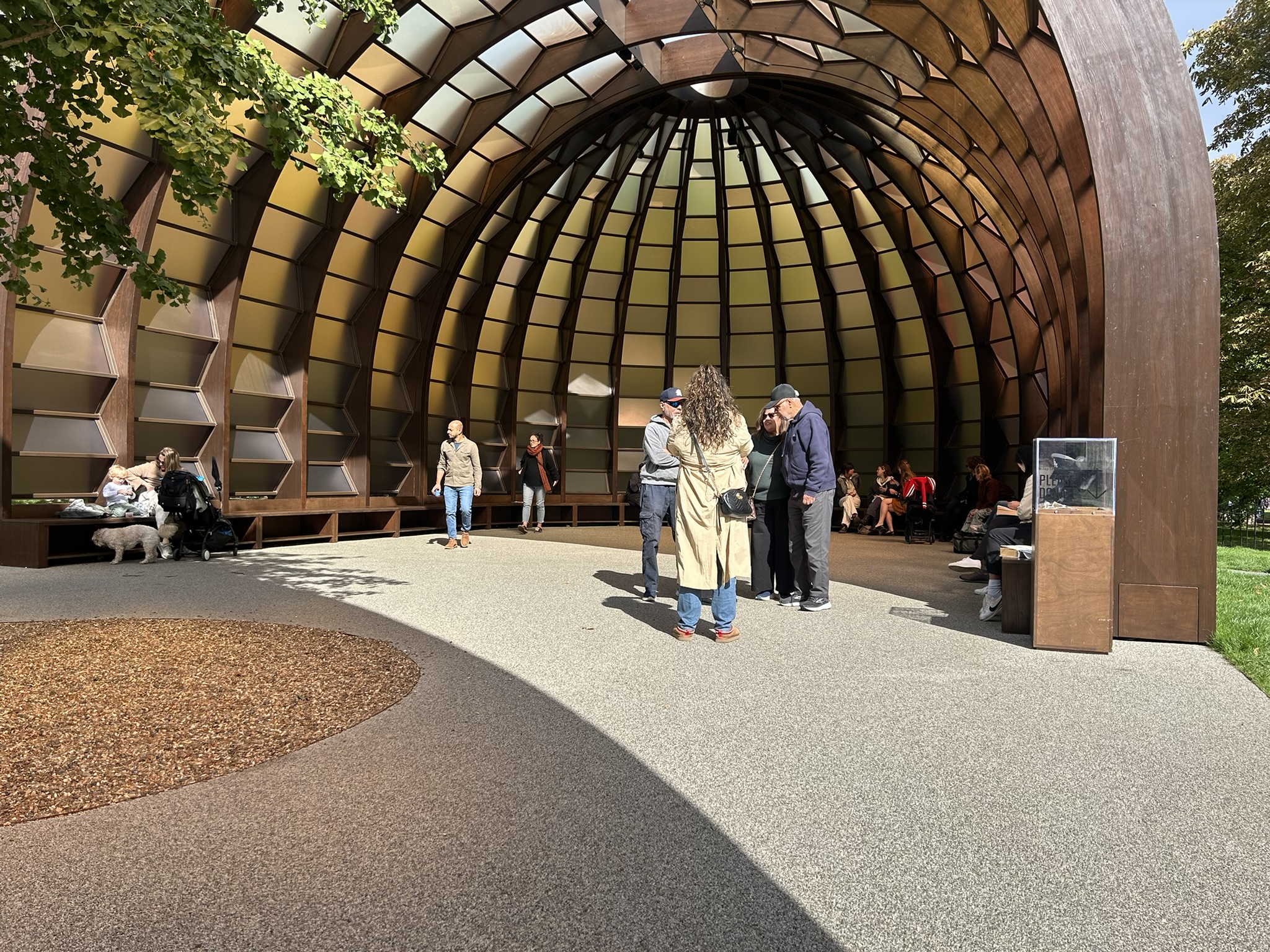
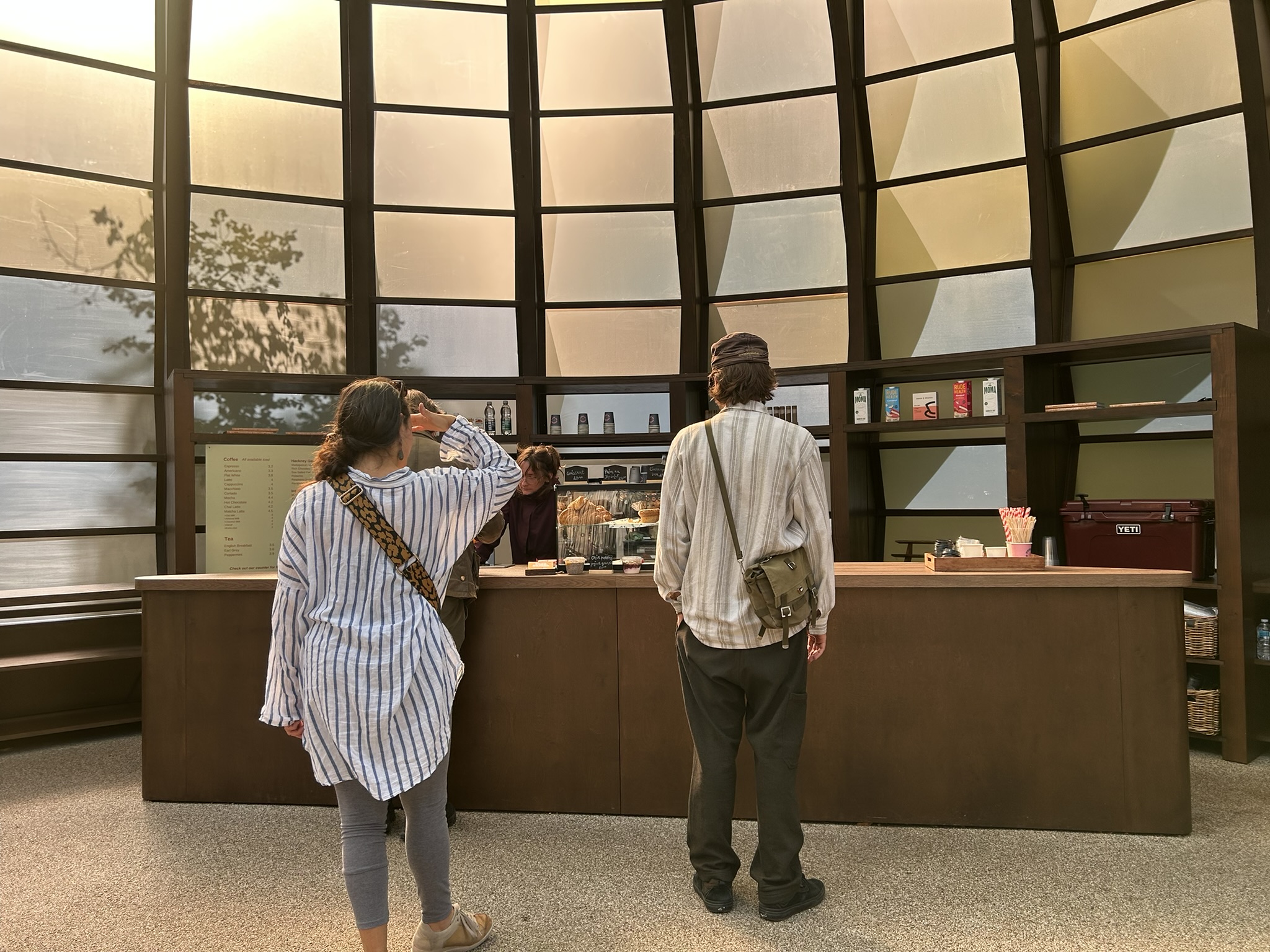
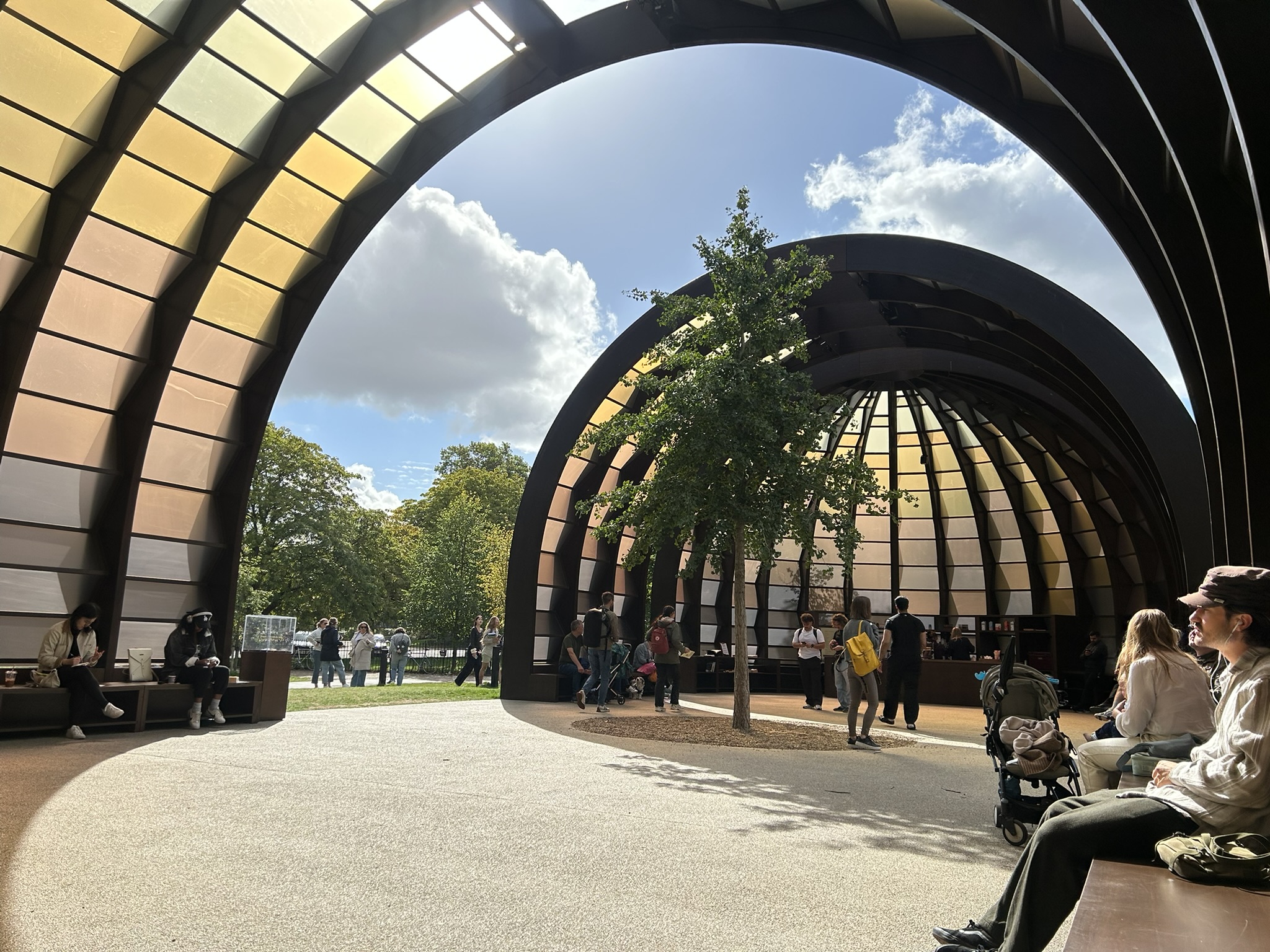
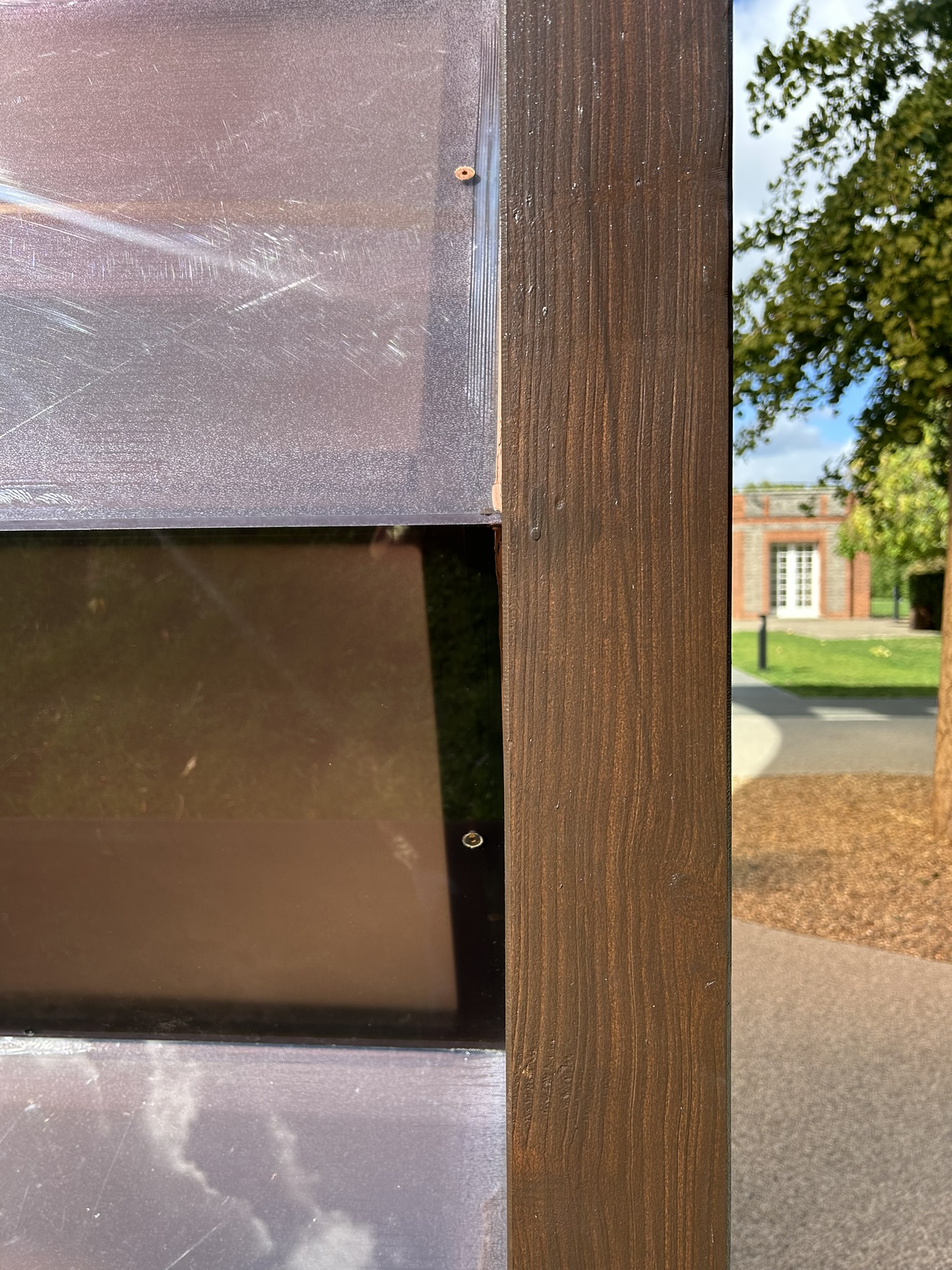
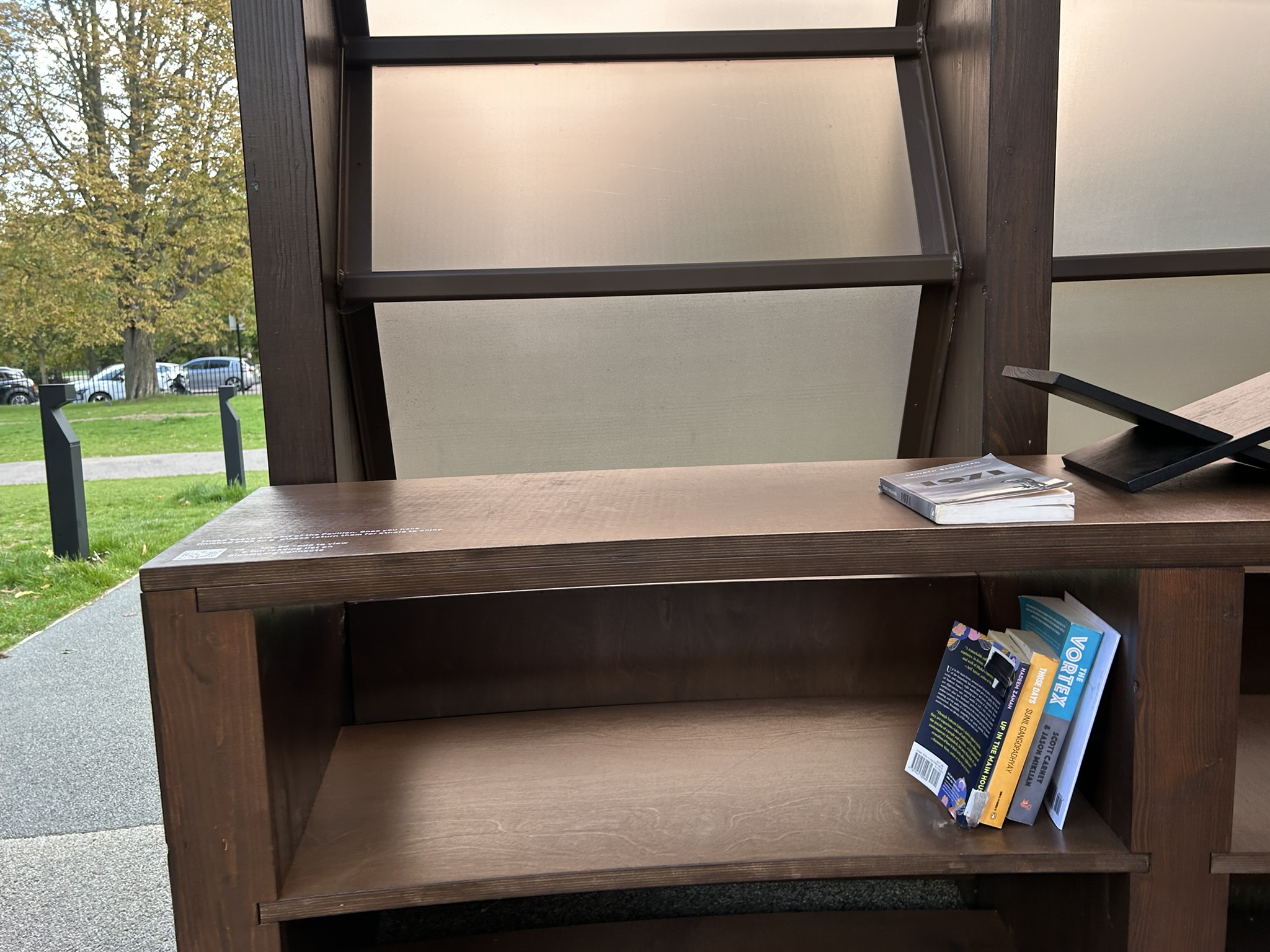
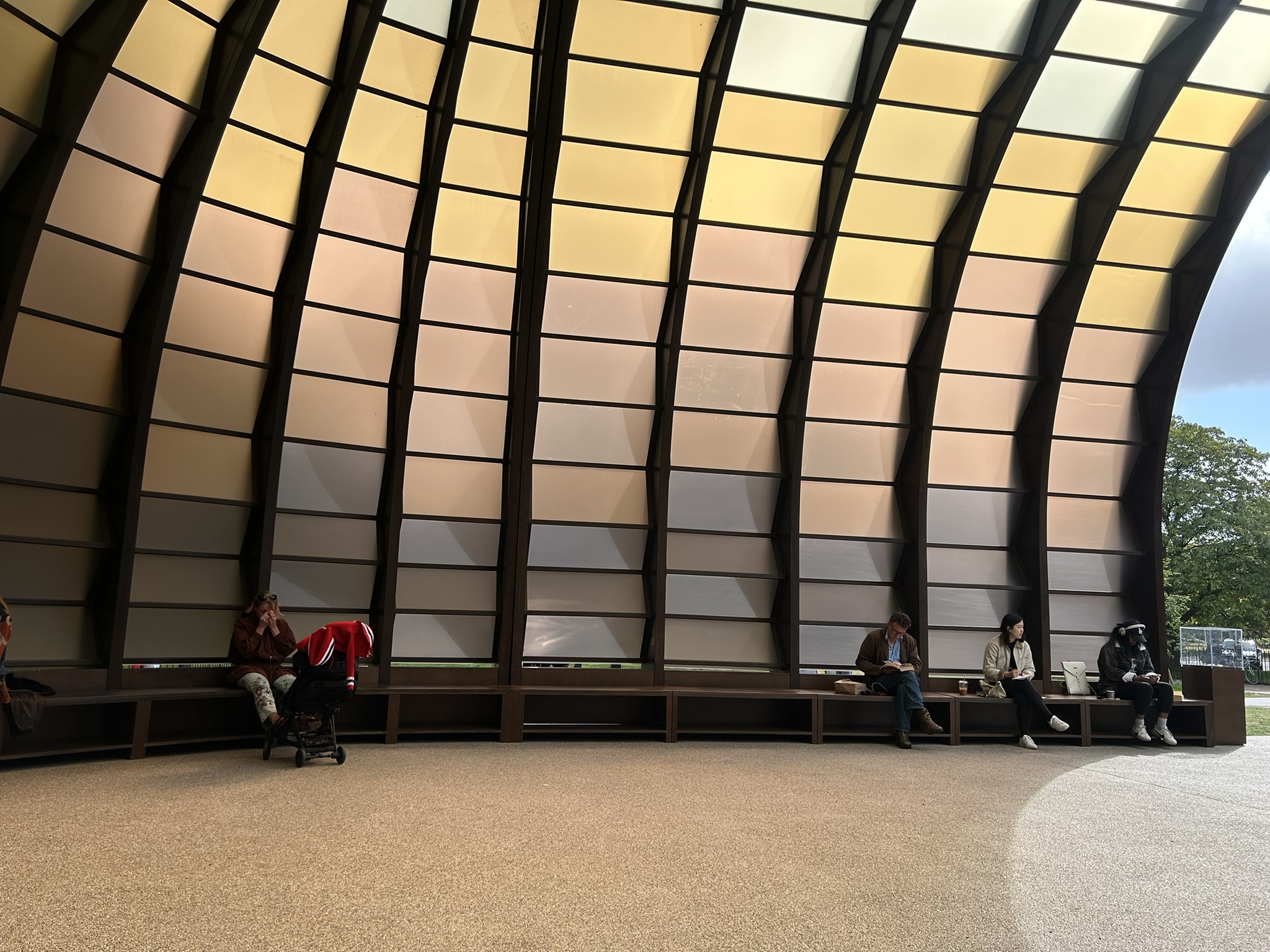
Tabassum’s pavilion took the form of an open-air living room. Constructed from lightweight timber and woven textile canopies, it was at once shelter and openness. The structure framed patches of Hyde Park sky, filtering sunlight into shifting patterns on the ground.
Walking into it, you felt embraced, as if the pavilion itself was an armchair scaled for the city. Unlike the monumental gestures of past pavilions, Tabassum’s design emphasized intimacy. It was human-scaled, porous, and deeply welcoming.
The materials carried symbolic weight. Timber, sourced sustainably, connected to her Bangladeshi roots where bamboo and wood form the backbone of vernacular construction. The woven textiles referenced domesticity — curtains, mats, canopies — but enlarged to architectural scale. The effect was humble but profound: an interior made of softness and light.
Children and dogs ran through its patterned shadows. Friends gathered on its benches. Strangers shared conversations under its canopy. In a city often defined by hard edges and hurried lives, this pavilion slowed time, creating a temporary commons where people could simply be.
It was here, perhaps more than anywhere else during the festival, that the boundary between architecture and community dissolved. The pavilion wasn’t an object to admire from afar. It was a space to inhabit, to share, to live in for a moment.

Step Inside Quantum
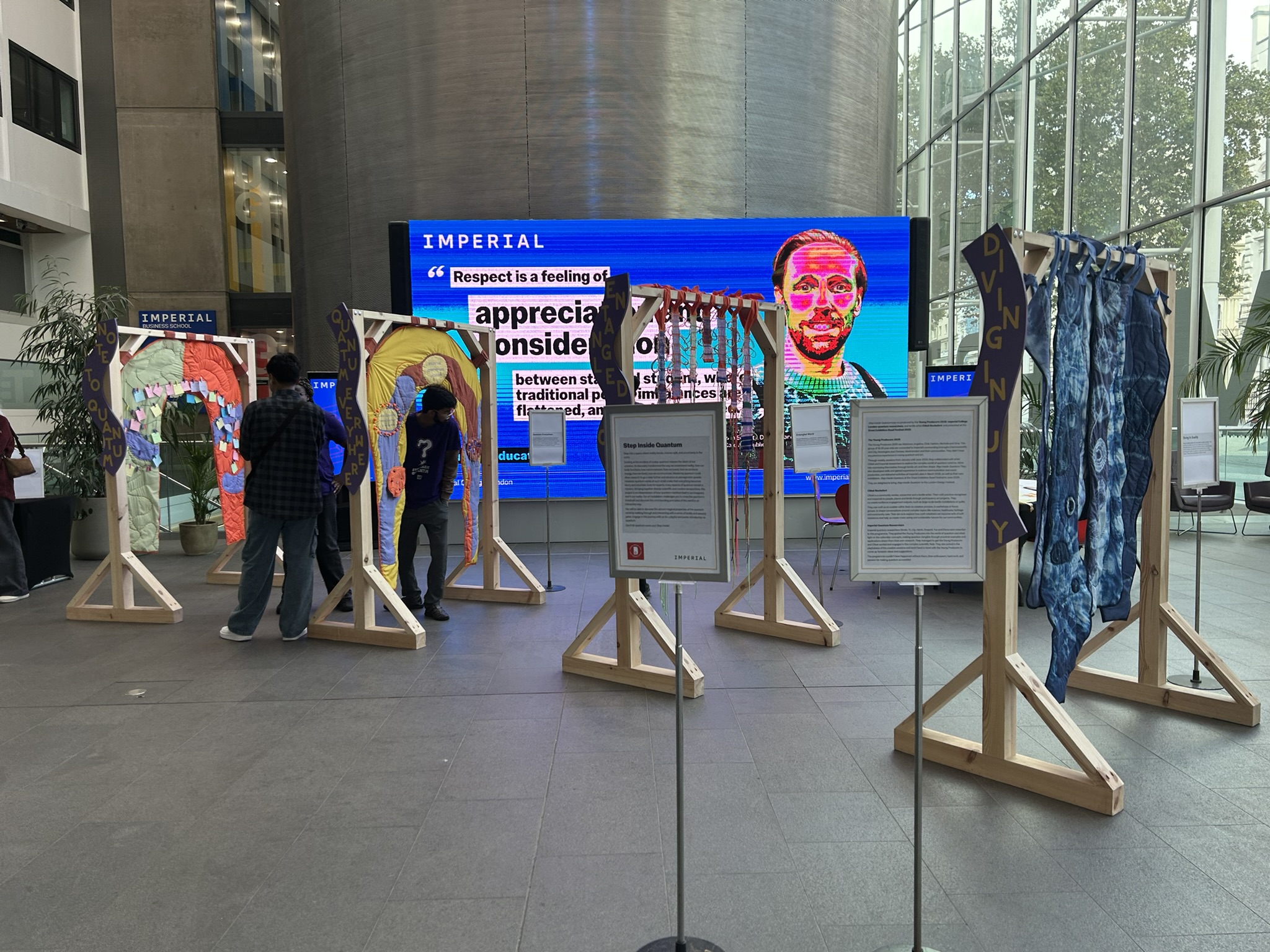
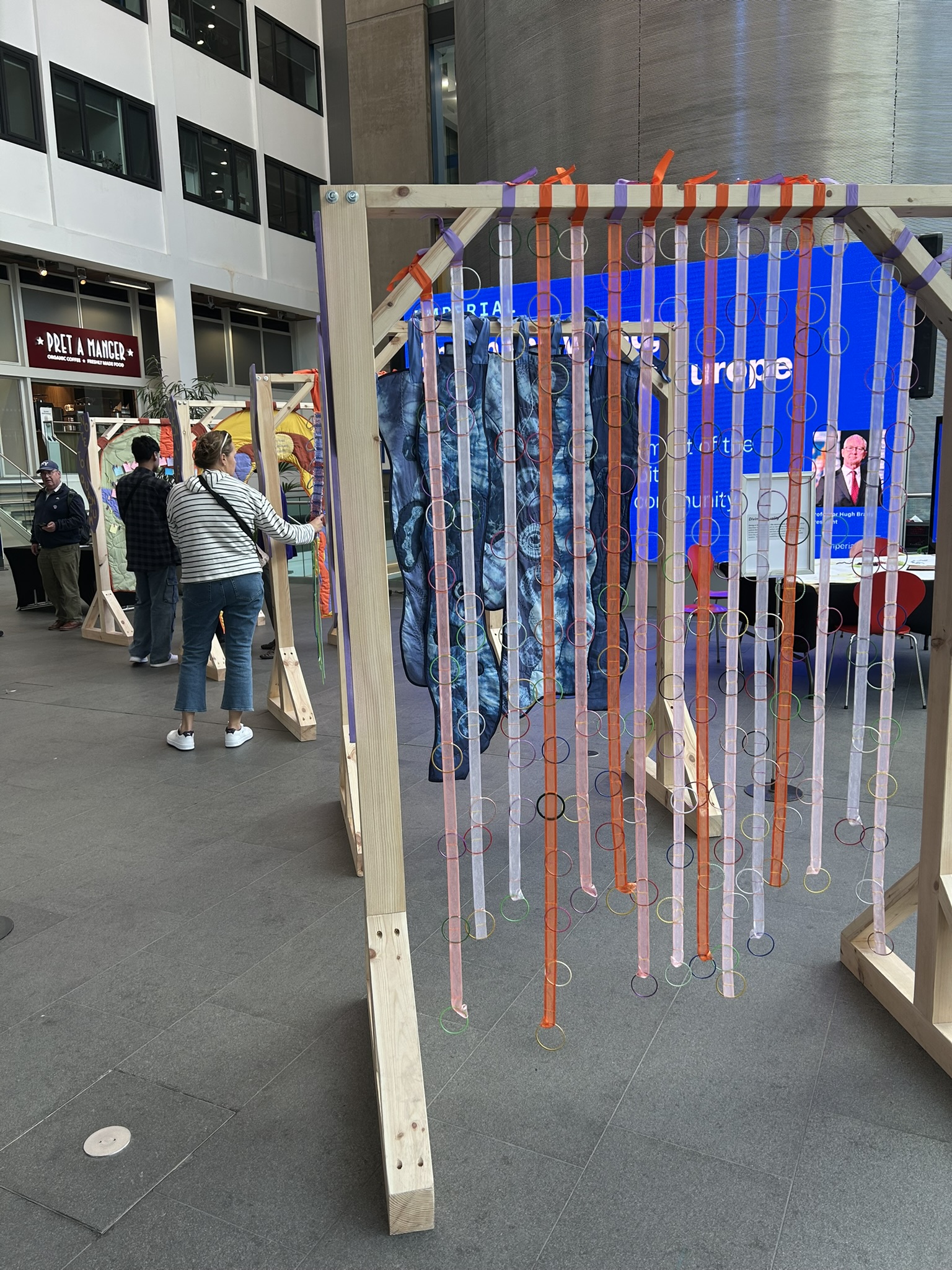
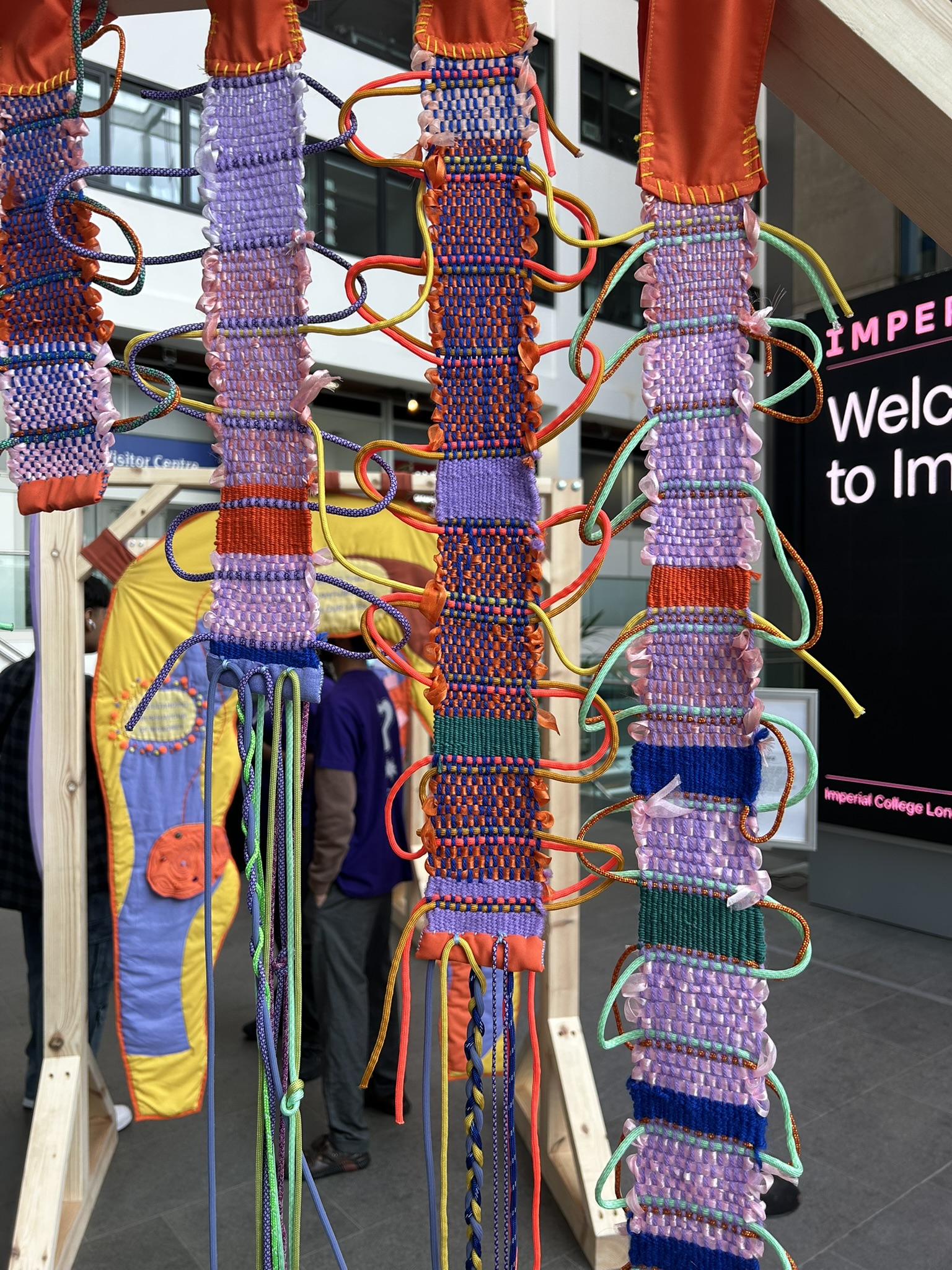
From meditative to mind-bending, we moved on to Step Inside Quantum at Imperial College London — an exhibition that asked, “What if physics had mood lighting?”
The show turned the incomprehensible world of quantum mechanics into an experiential playground of mirrors, projections, and shifting soundscapes. The installations turned abstract theories into tangible form, transforming data into light, and confusion into beauty.
Westminster Abbey Evensong
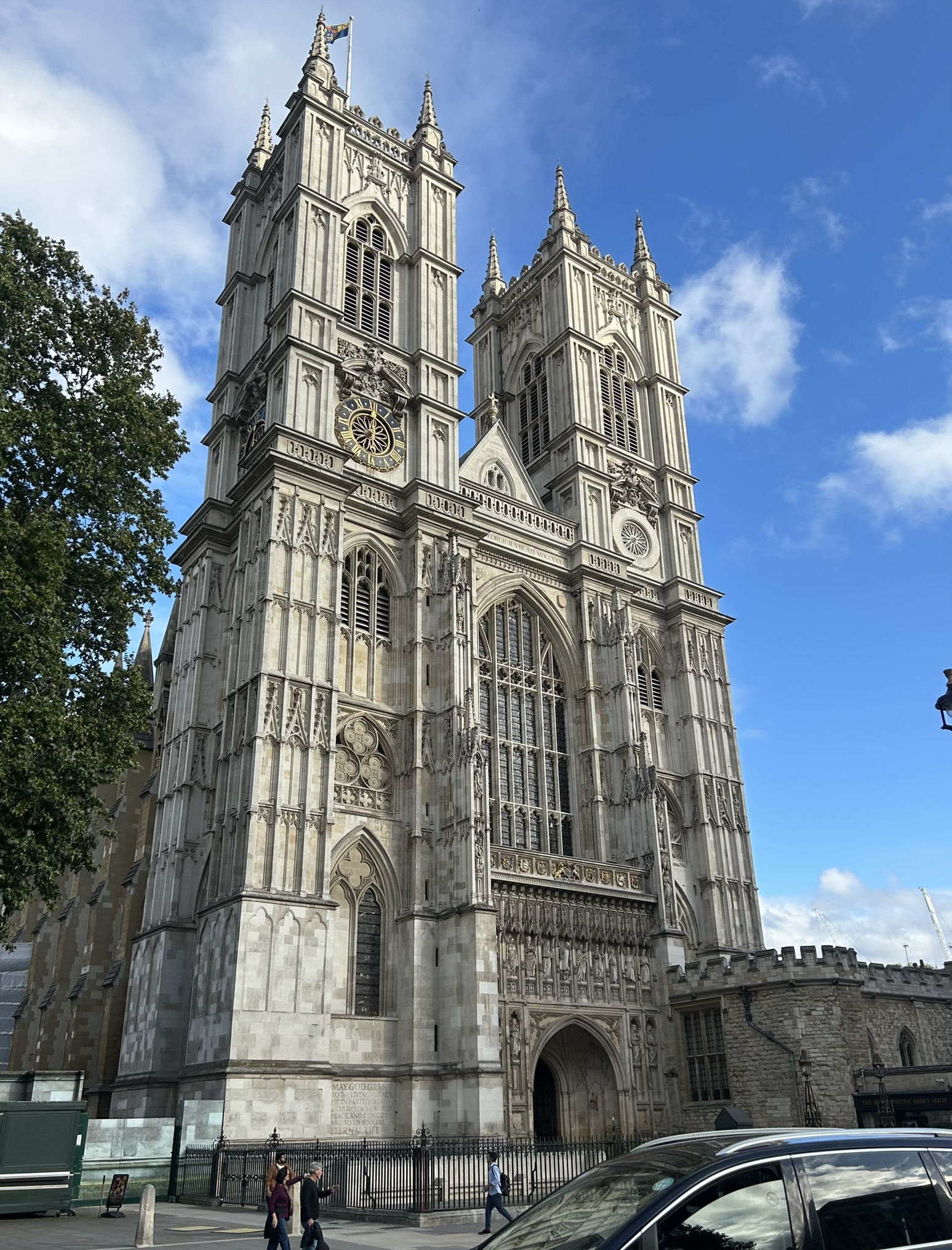
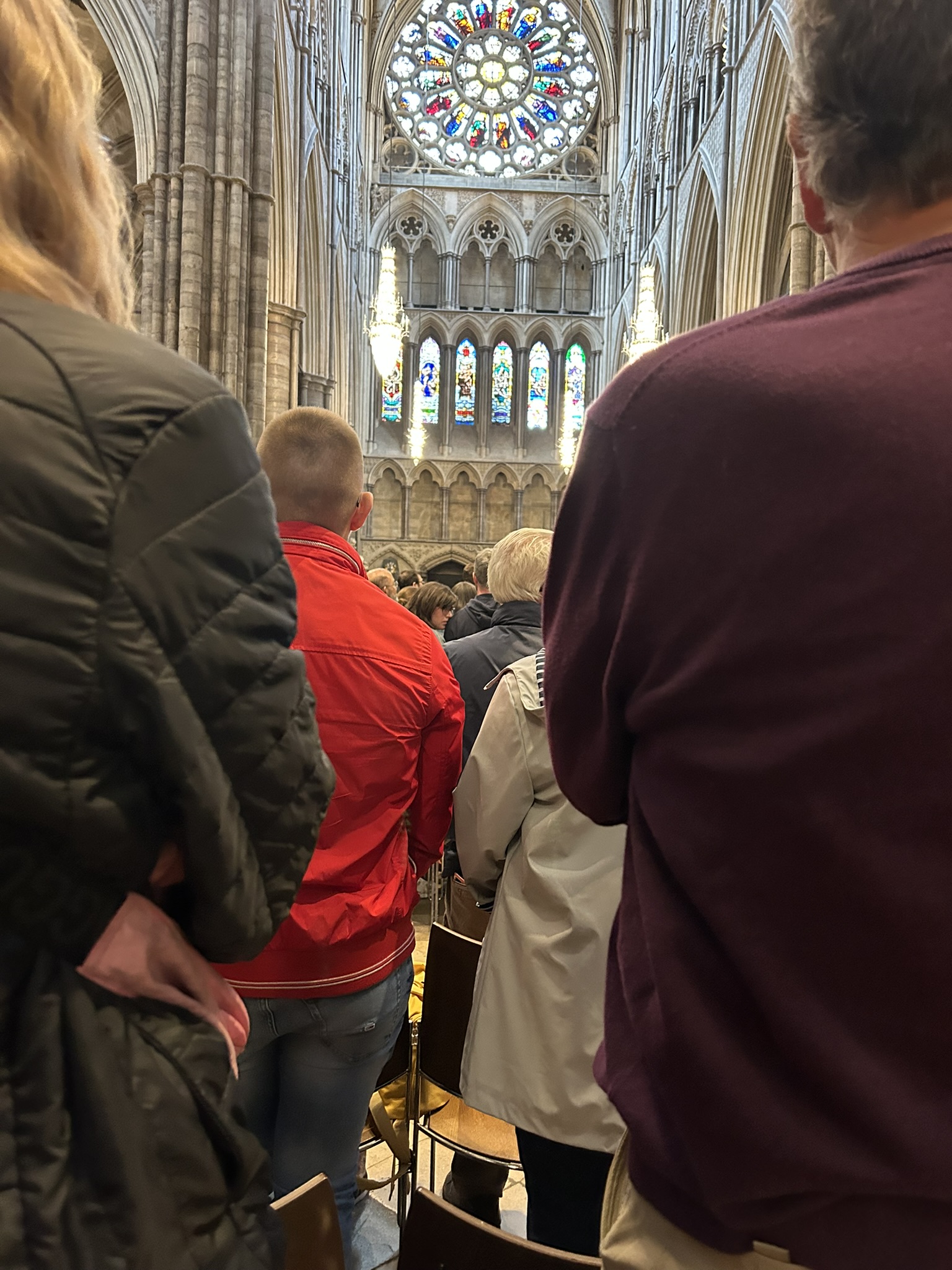
Later in the afternoon, we made our way to Westminster Abbey to attend the Evensong service in the Quire. Entry is via the Great West Door, and the service follows the traditional pattern laid out in The Book of Common Prayer, with choral music, scripture readings, and prayers. Photography is not allowed, though I did sneak one.
Westminster Abbey, a living chronicle of England’s religious, royal, and architectural history, is a Gothic masterpiece. Its soaring vaults, stained-glass windows, vaulted rib structures, and carved stone screens are designed not merely as structure but as spiritual vessels.
As the choir intoned psalms and anthems, their voices resonated through the vaults, bouncing between stone ribs and arches. Light filtering through stained glass colored the space gently. The architecture and music intertwined, creating a moment in which time seemed to pause.
This was architecture meeting ritual. The vaulted ceilings amplify sound, the geometry shapes light, the structure becomes part of the liturgy. For a visitor steeped in architectural wonder, this was a profound reminder that interiors aren’t only visual, but audible, spiritual, earthly.
A Closing Chapter in Song
The final day of the London Design Festival was a quiet crescendo, a reflection on how design moves through light, sound, and time. From the fleeting calm of Marina Tabassum’s Serpentine Pavilion to the reflective shimmer of Step Inside Quantum, and finally, to the sacred stillness of Westminster Abbey’s Evensong, the day traced a graceful arc from the temporary to the timeless.
As the choir’s last note faded, the festival’s themes aligned, impermanence, innovation, endurance, all singing the same refrain. Some structures are built to last; others exist only for a season. But the best ones, like this day, linger long after you’ve left.