Four Days in London: A Designer’s Story
DDF : London Design Festival Day 3: Material Matters


London Design Festival
Day 3 – Material Matters: Reframing, Rethinking, Remembering
A Day Devoted to Materials
If Day 1 was about perspective and Day 2 about layers, Day 3 was about substance itself — the materials and sensations that make design tangible. The materials weren’t just inert items to be shaped, they were agents of change, a carrier of memory, and stirrers of the senses.


Reframing Waste
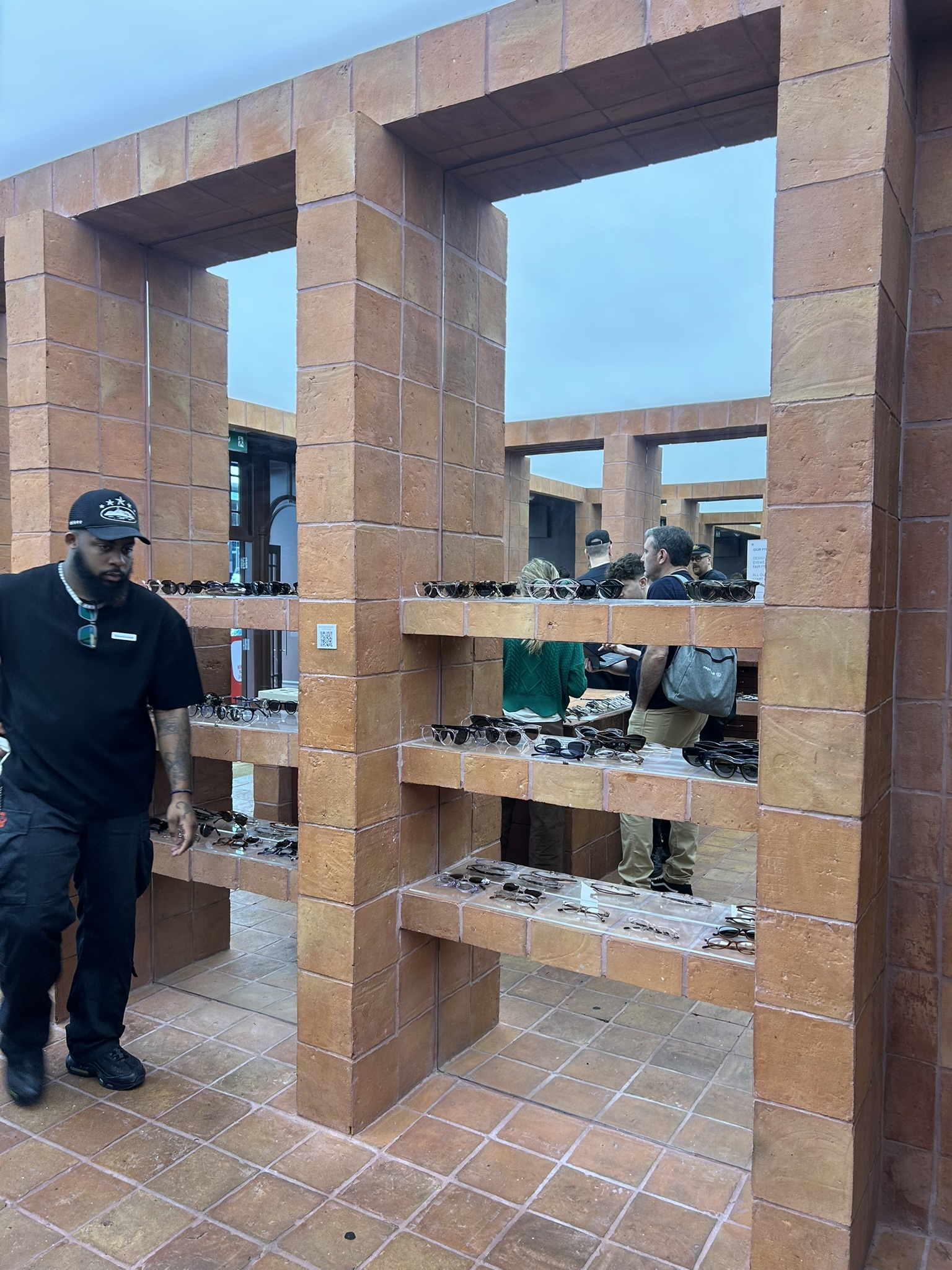
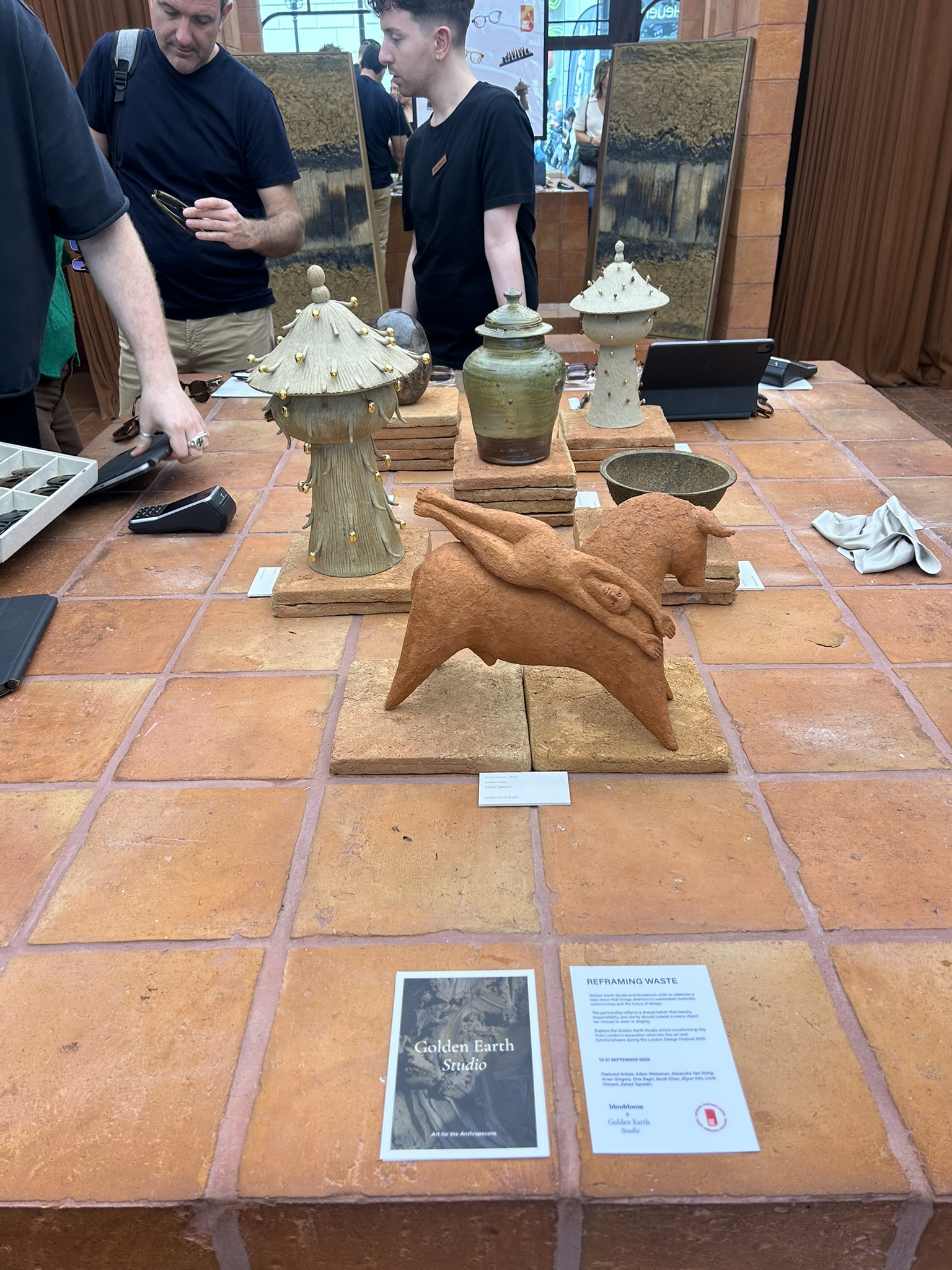
We began with Reframing Waste, a project by Golden Earth Studio and bloobloom that tackles London’s most overlooked raw material — its dirt. Rather than hiding the by-products of urban growth, it celebrates them. Excavated clay and earth from city building sites are reimagined as material for art and architecture, inviting us to see waste not as residue, but as resource.
Across terracotta surfaces and sculptural forms, designers transform discarded clay into tiles, panels, and vessels that wear their imperfections proudly. The pieces retain traces of their origins — striations of soil, fingerprints of process, and the colors of London’s subsoil.
It’s a modest exhibition that proves even the earth we dig up to build can be part of its renewal.
Beyond Foam: Ecolattice’s Radical Innovation
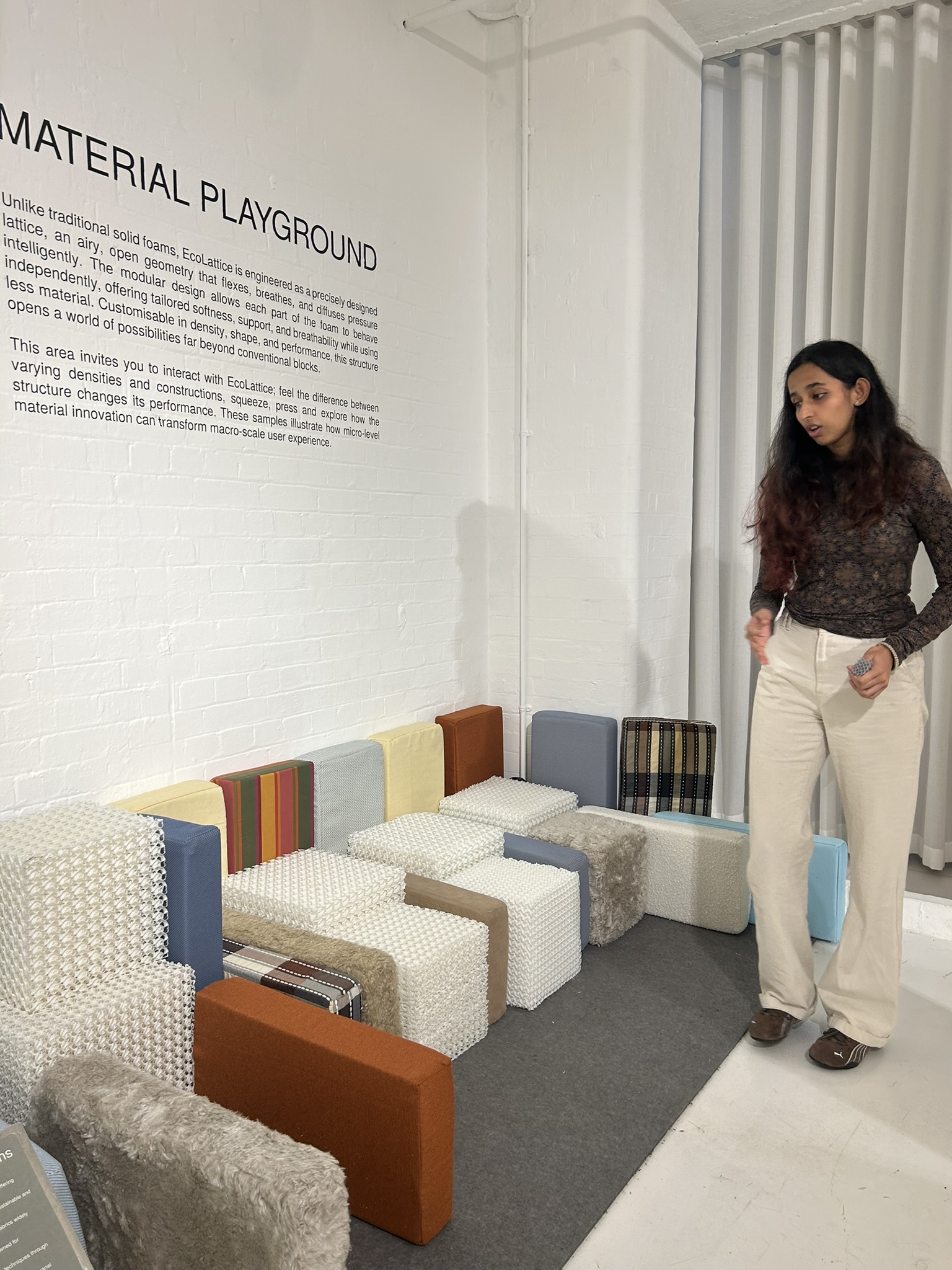
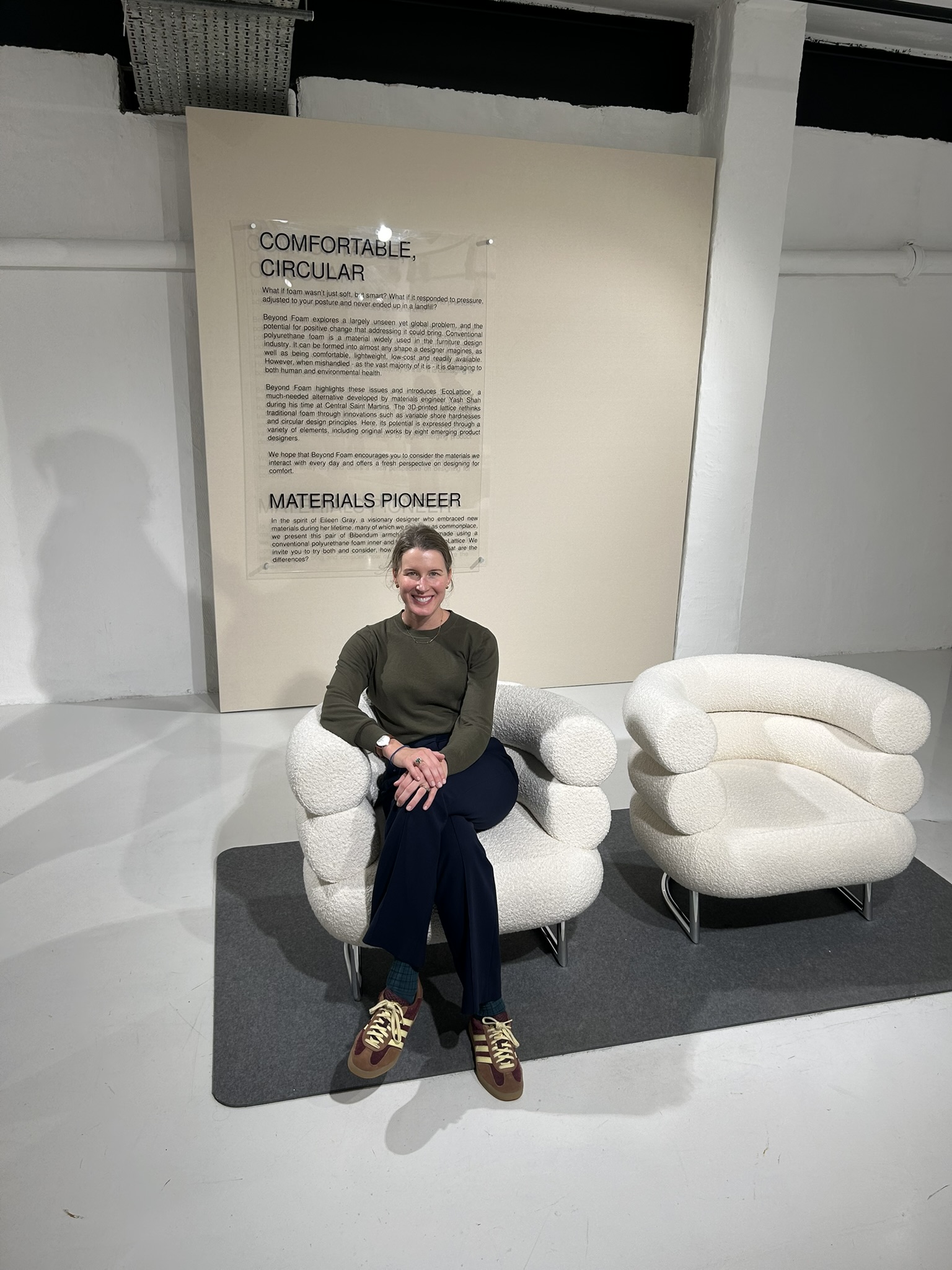
The next stop was Ecolattice, where the exhibition Beyond Foam challenged one of the most ubiquitous yet underappreciated materials of modern life. Foam cushions our furniture, insulates our buildings, packages our goods, and muffles our sounds. Yet it is also synonymous with waste – cheap, synthetic, and often environmentally harmful.
Ecolattice’s story began in 2017, when a group of material scientists and designers in London were experimenting with biodegradable lattices for marine applications. Their goal was to create structures that could decompose safely while supporting coral reef regeneration. During their experiments, they realized that their lattices had architectural potential: lightweight, strong, acoustically absorbent, and recyclable.
From this spark, Ecolattice was born. Today, the company operates as a materials innovation lab, partnering with furniture makers, architects, and even aerospace engineers to rethink foam. Instead of petroleum-based polyurethane, they weave together bio-resins with recycled polymers, creating structures that resemble foams but with radically different lifecycles.
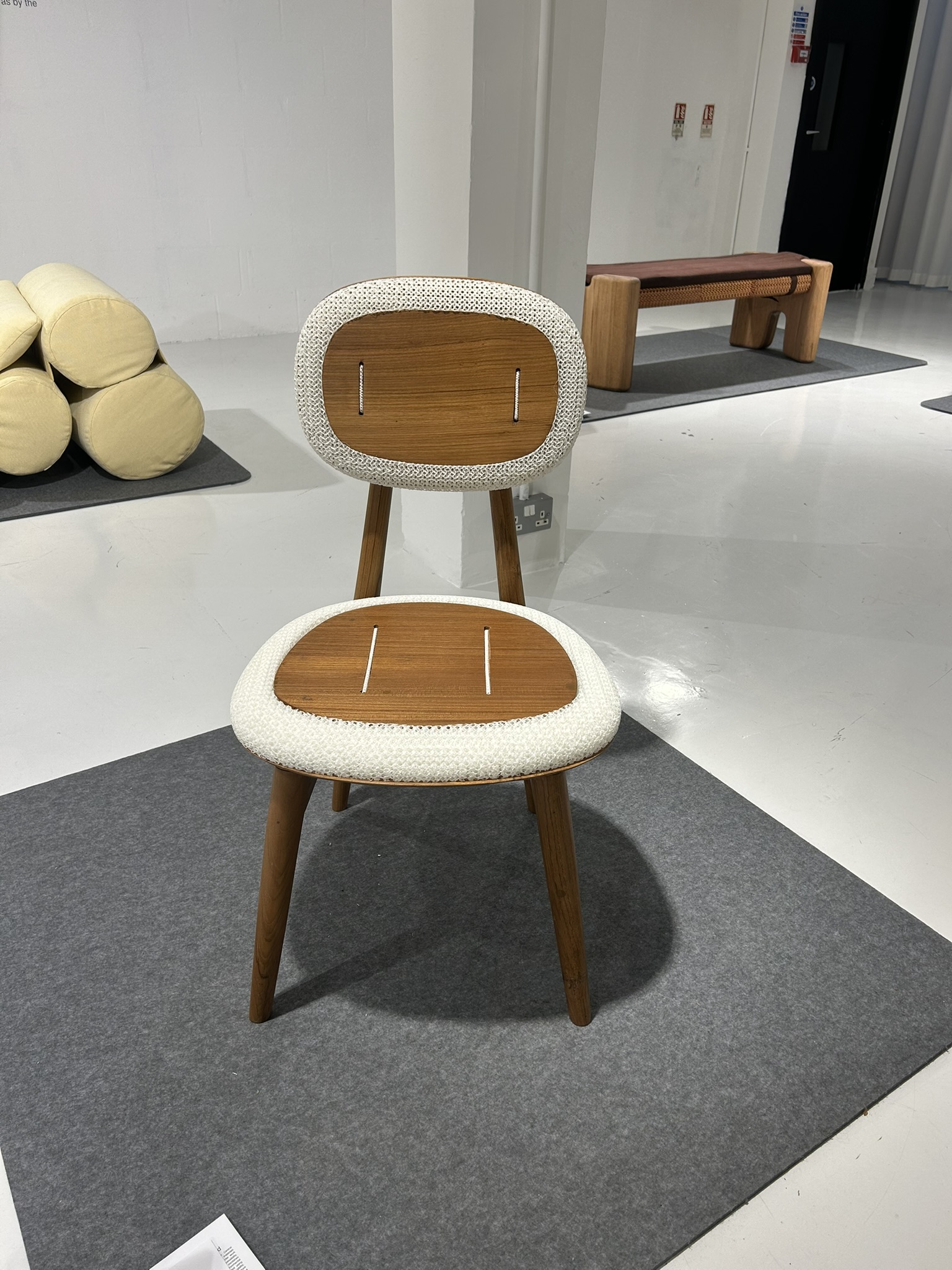
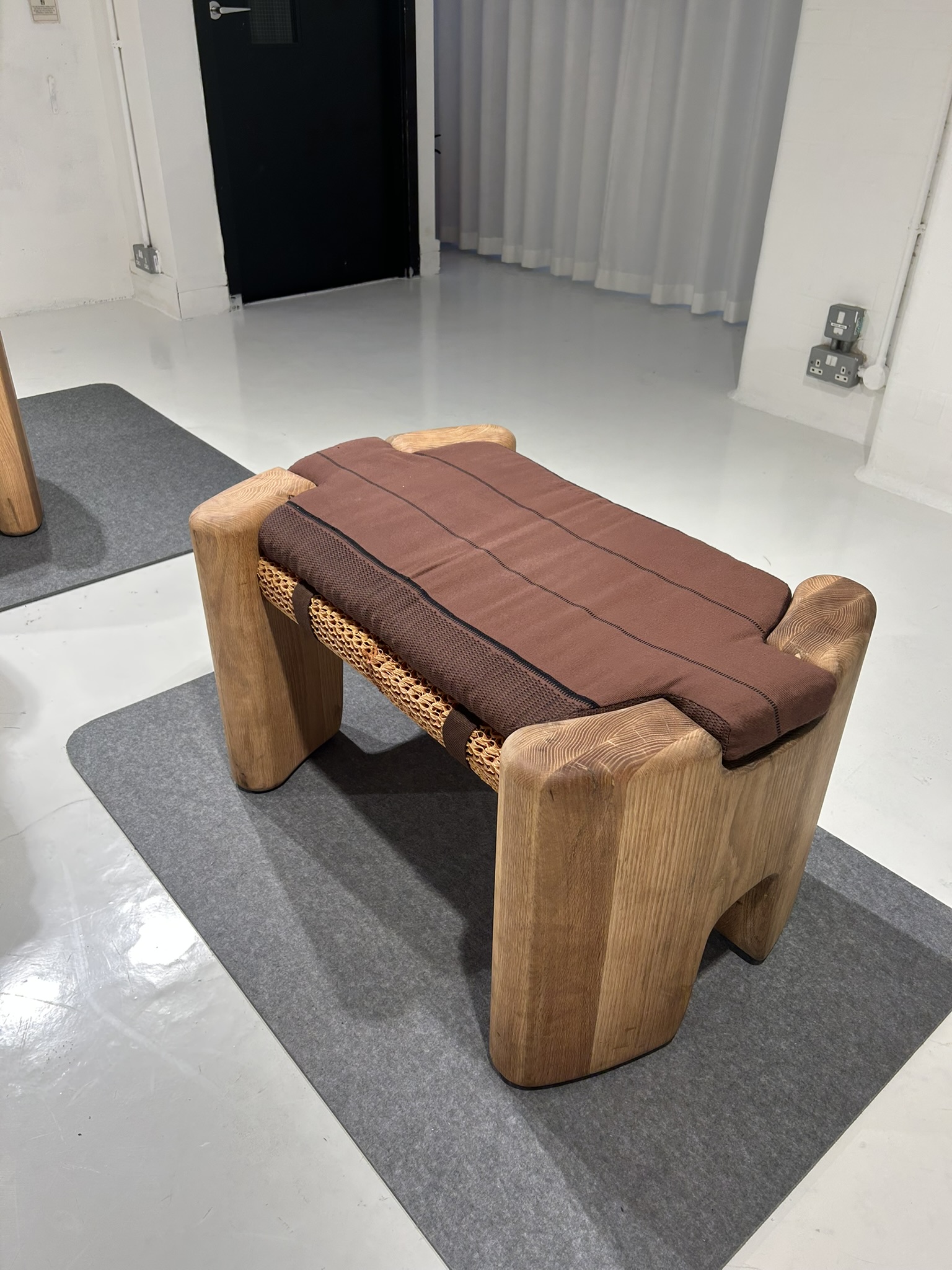
Beyond Foam showcased prototypes that blurred the line between product and sculpture. Geometric panels, translucent and honeycombed, hung like tapestries across the walls, catching light in shifting patterns. Seating prototypes invited visitors to touch, press, and sink in. A small stool, made of interlaced lattices, compressed underweight like foam but sprang back instantly.
The genius of Beyond Foam is that it takes an invisible material, something we use every day and never think about, and turns it into sculpture. Softness becomes structure. Sustainability becomes beautiful. Ecolattice is a company proving that the materials we take for granted can be rethought from the ground up.
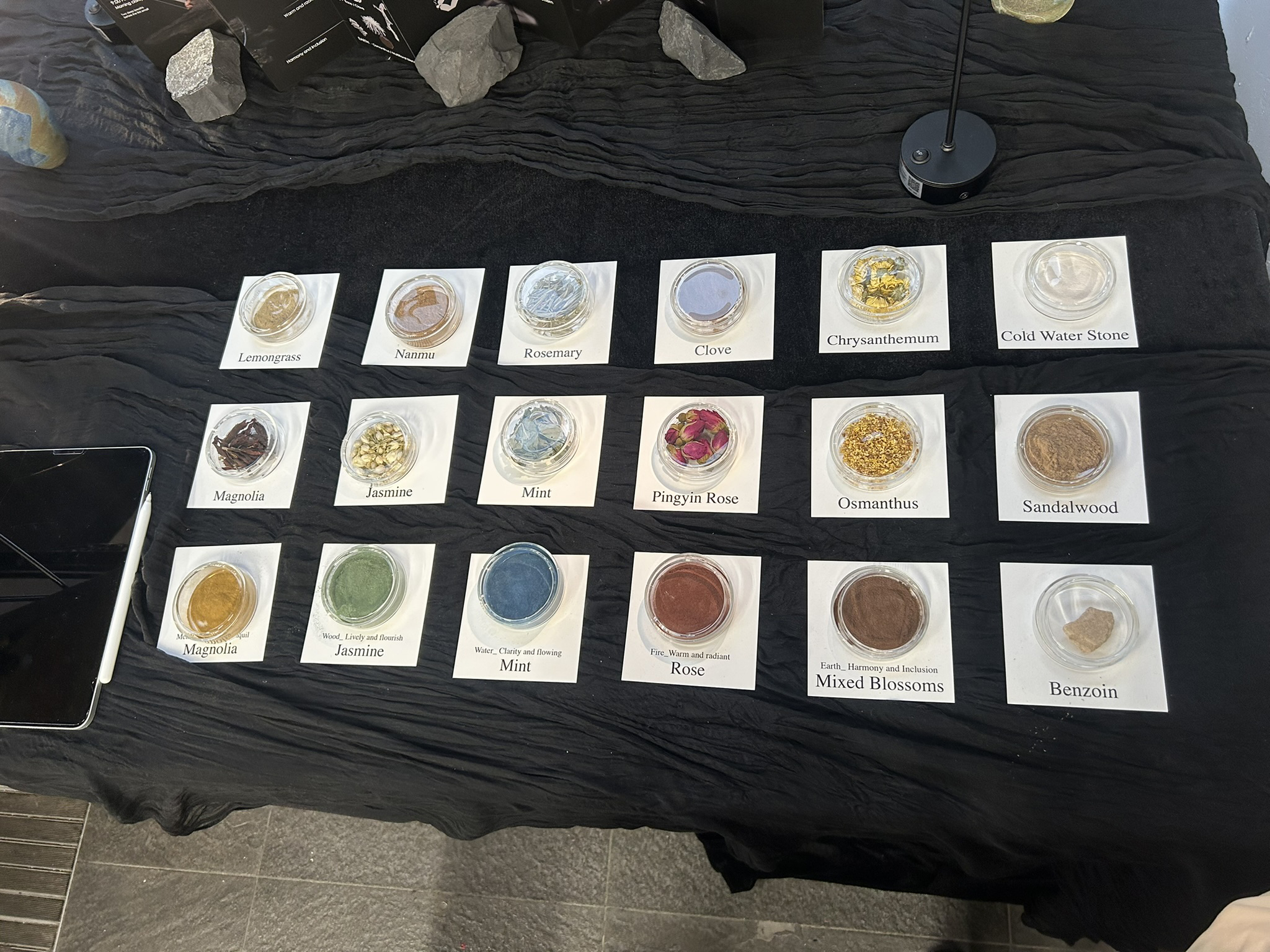
Scent Print
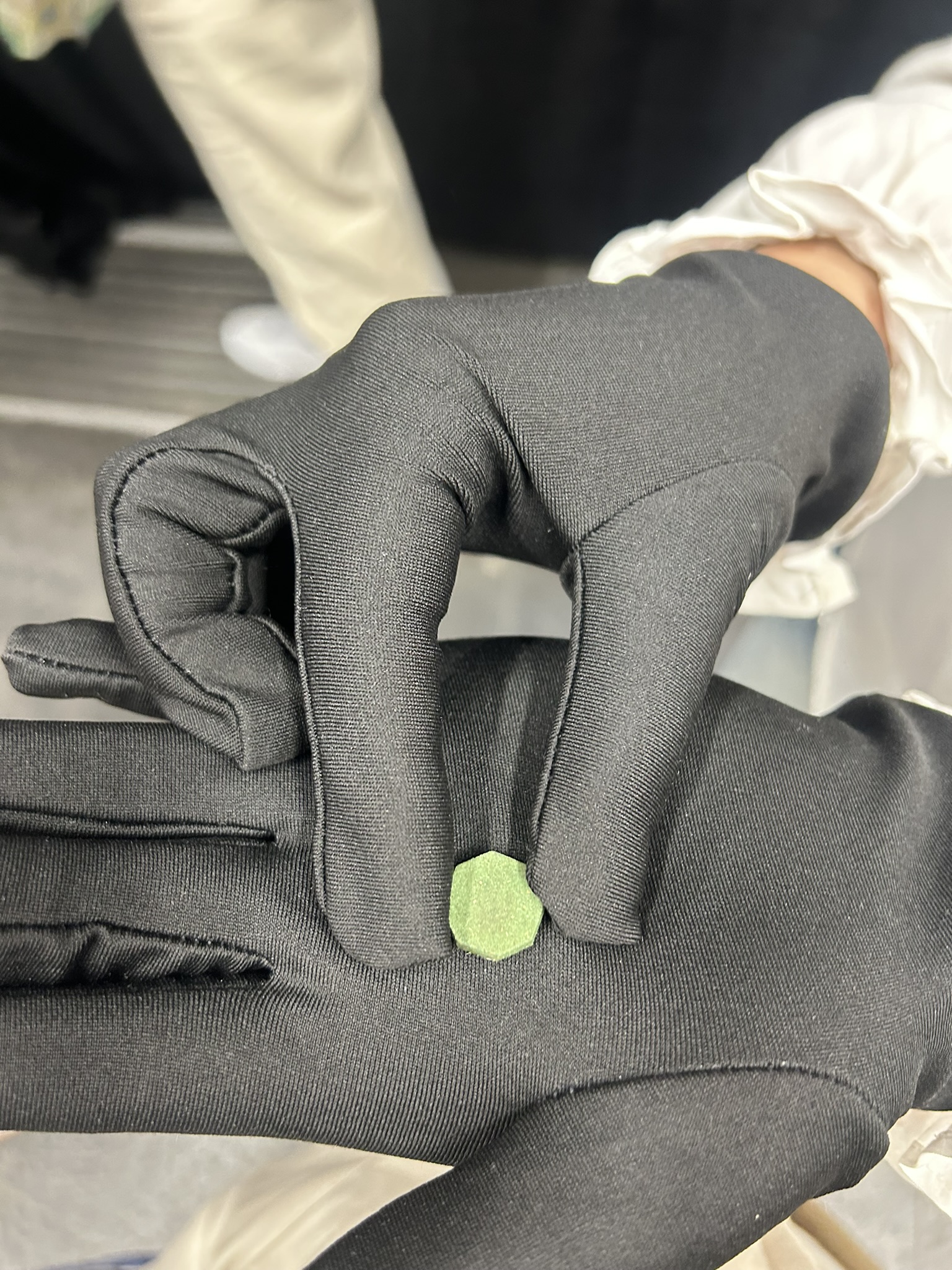
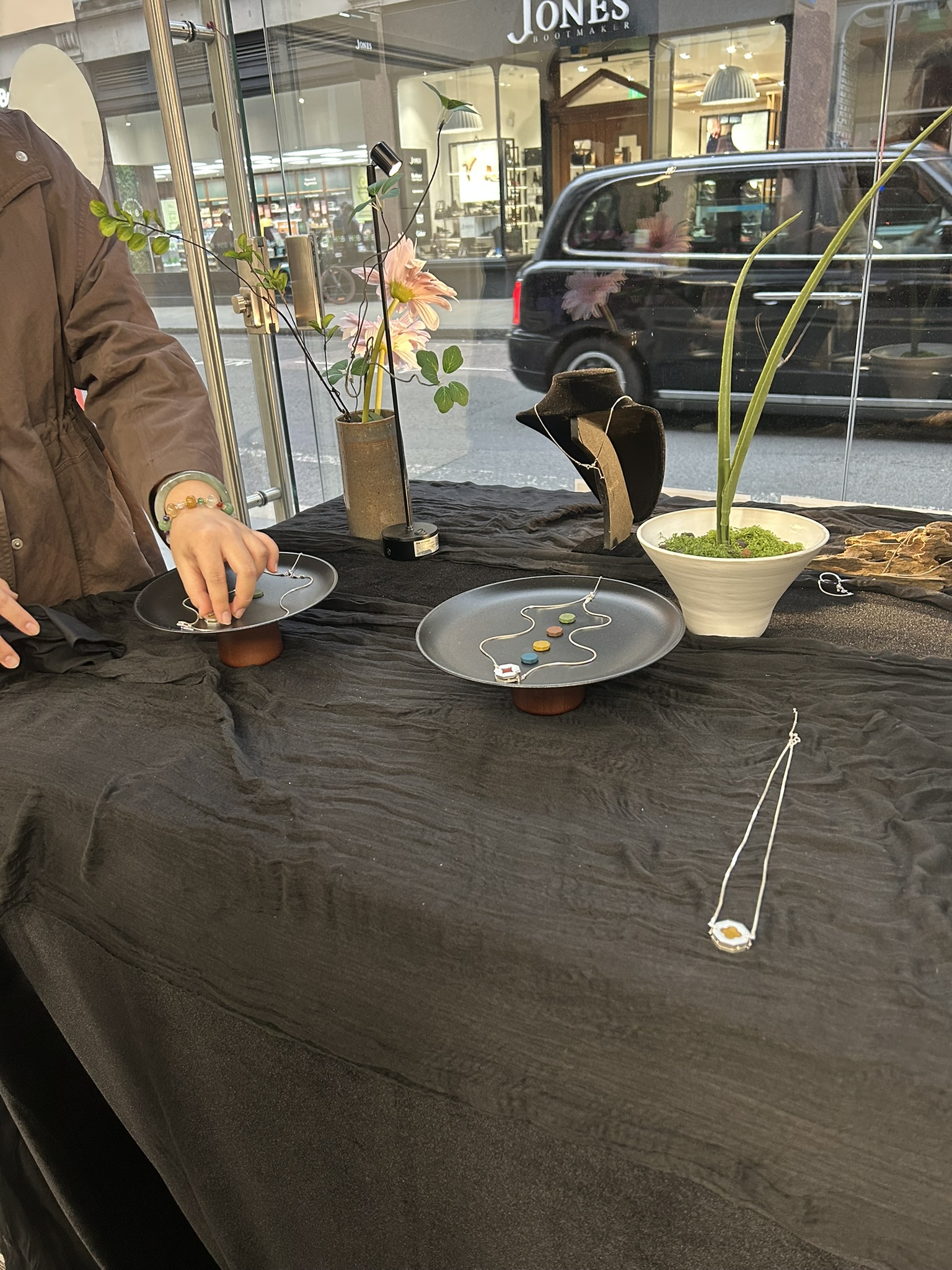
From touch, we moved to smell where fragrance from the East and interiors dissolved into aroma. Sandalwood, jasmine, and spice scents drifted through a minimalist gallery. The idea: to explore how scent can shape our sense of interior space.
Design is not only what we see and touch. Scent is the architecture of memory.
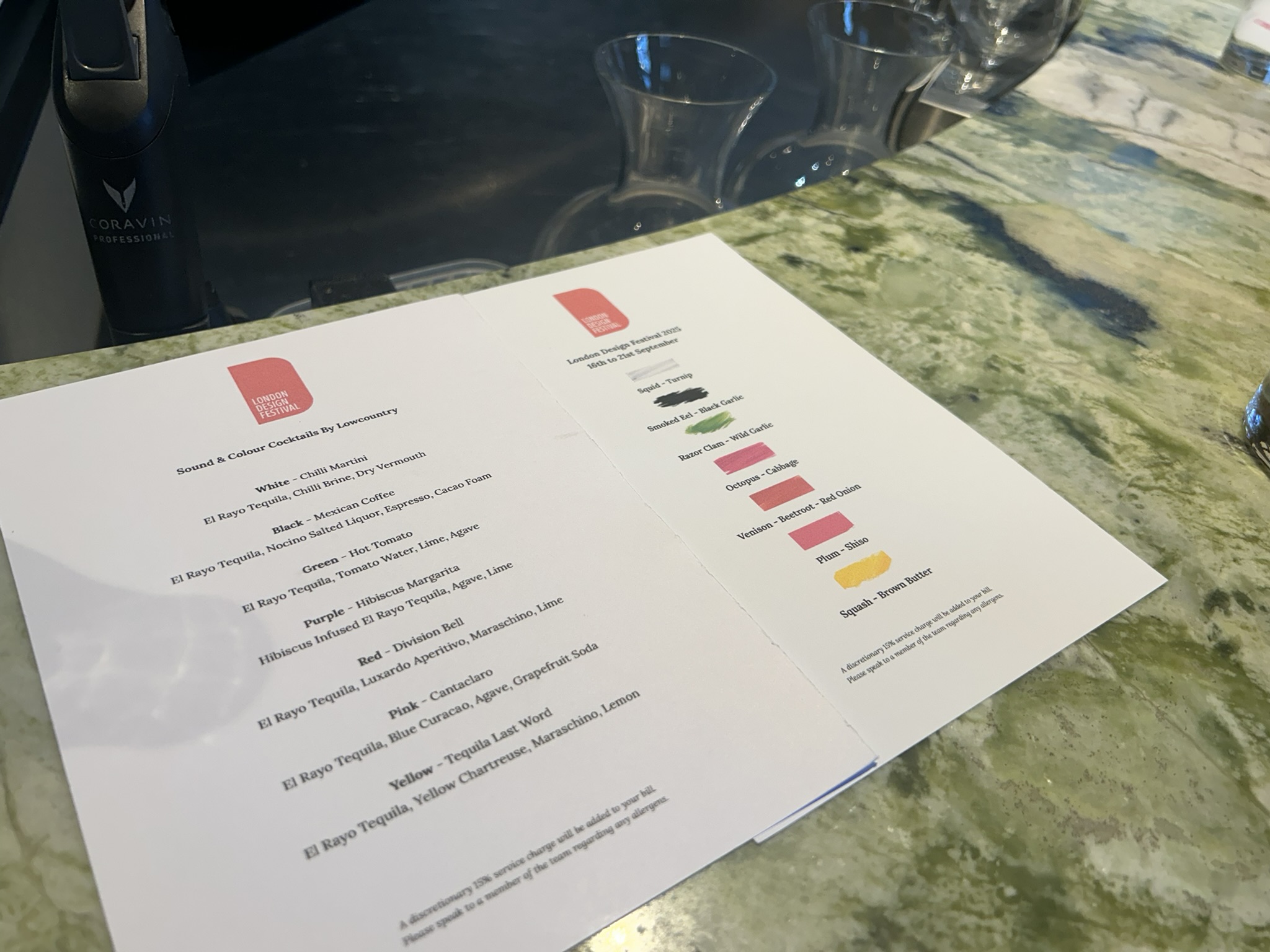
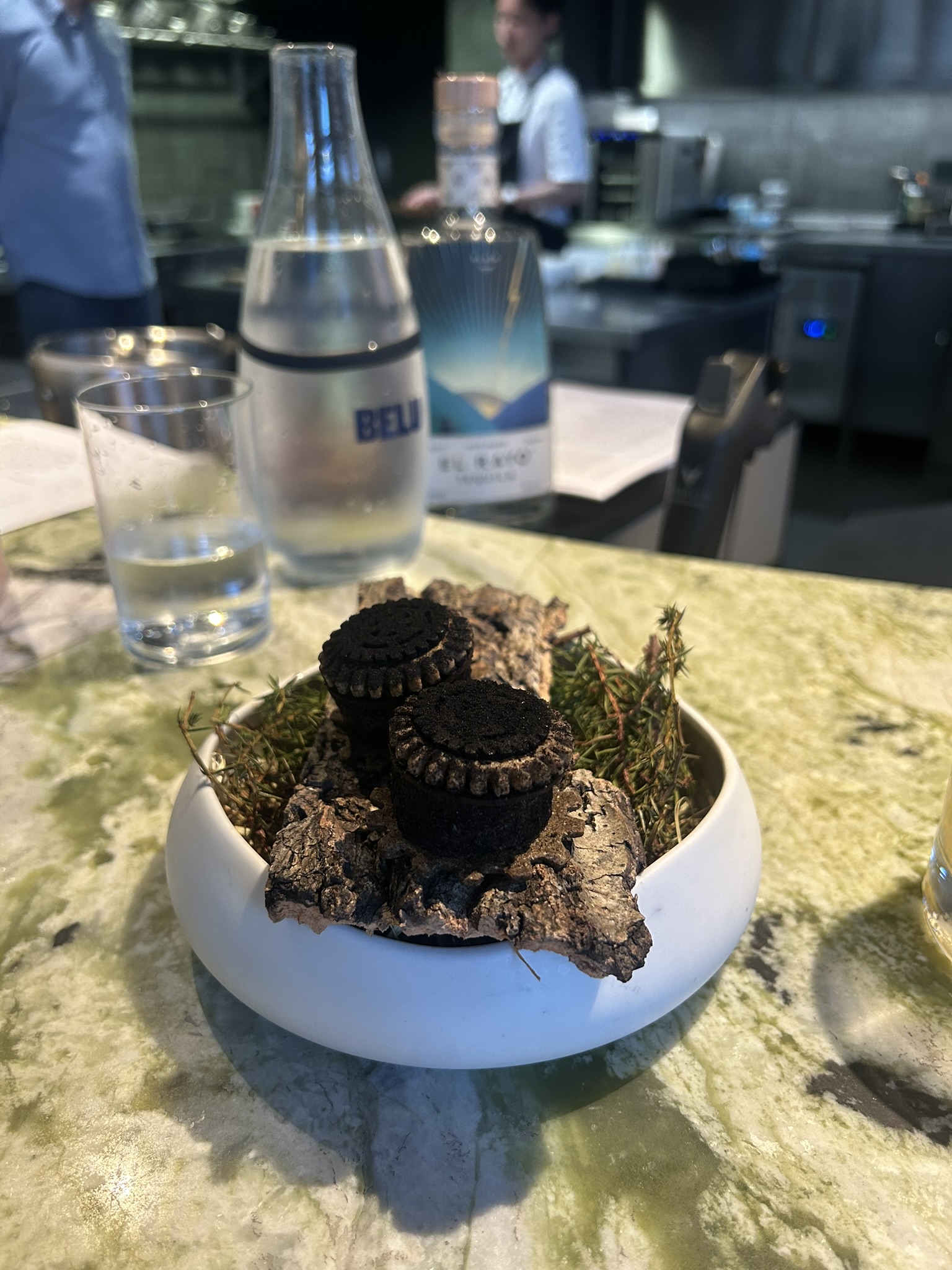
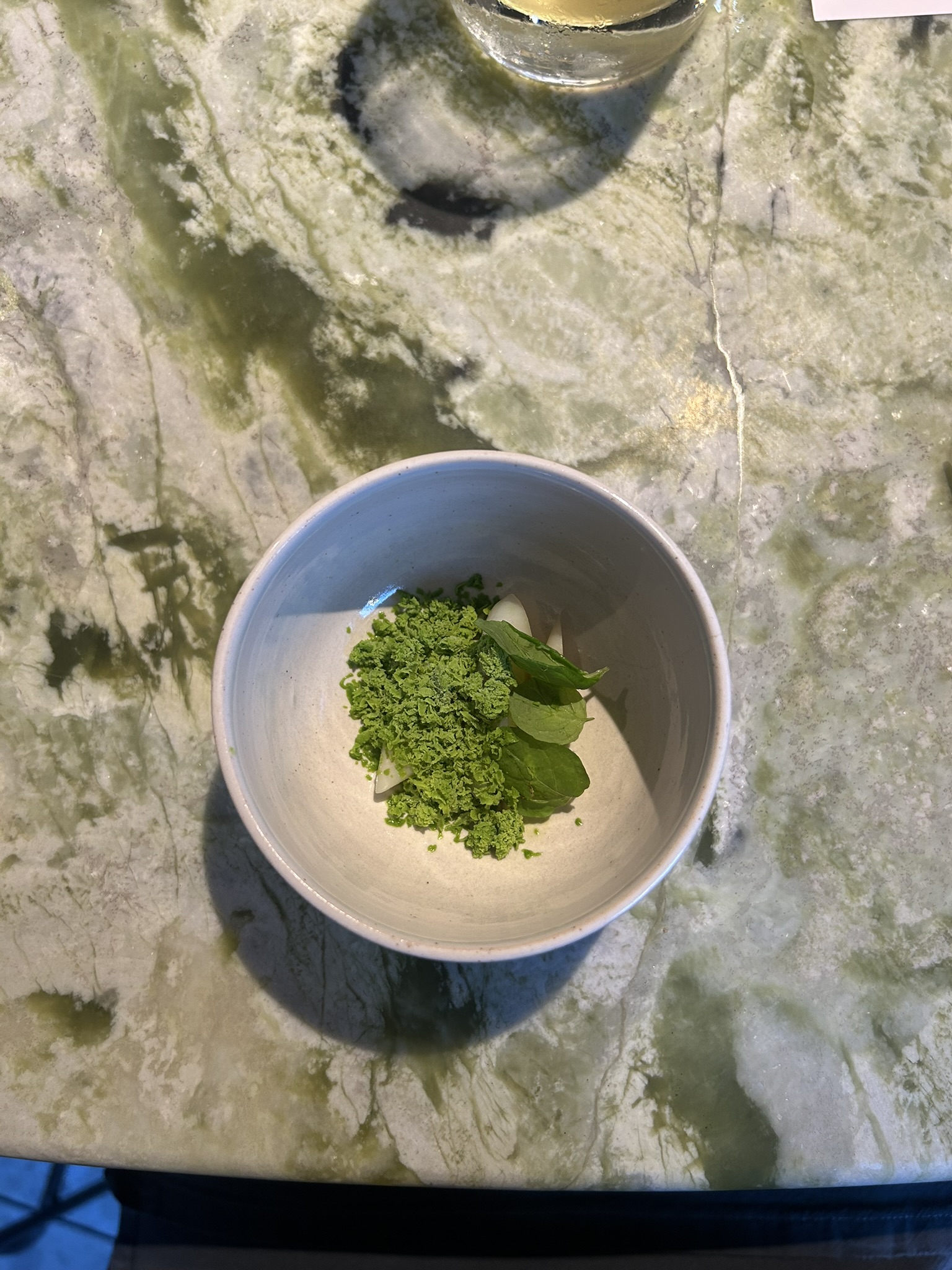
Dinner at Sound & Colour: Architecture of the Senses
If the morning exhibitions were provocations, the evening at Sound & Colour was immersion.
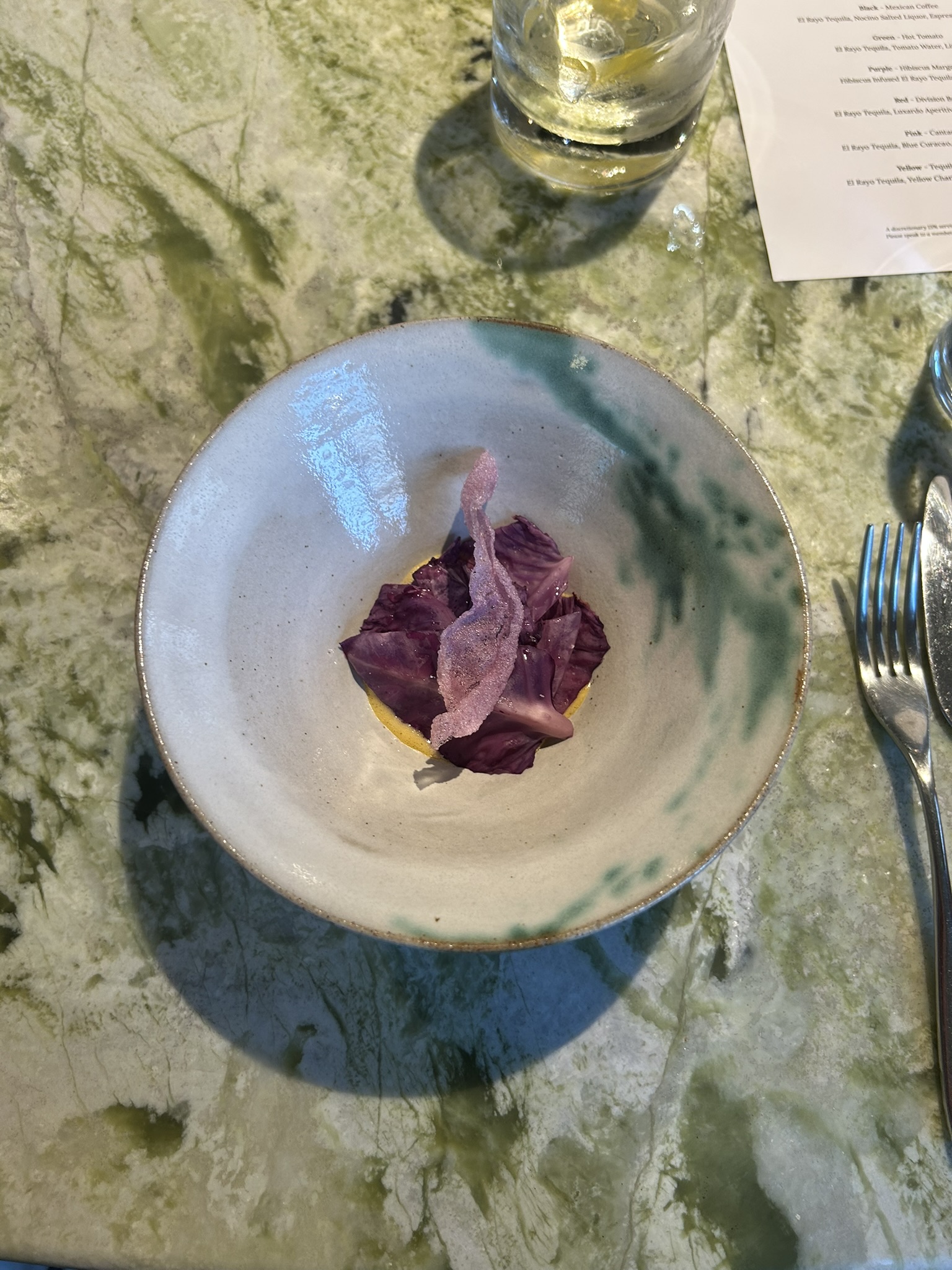
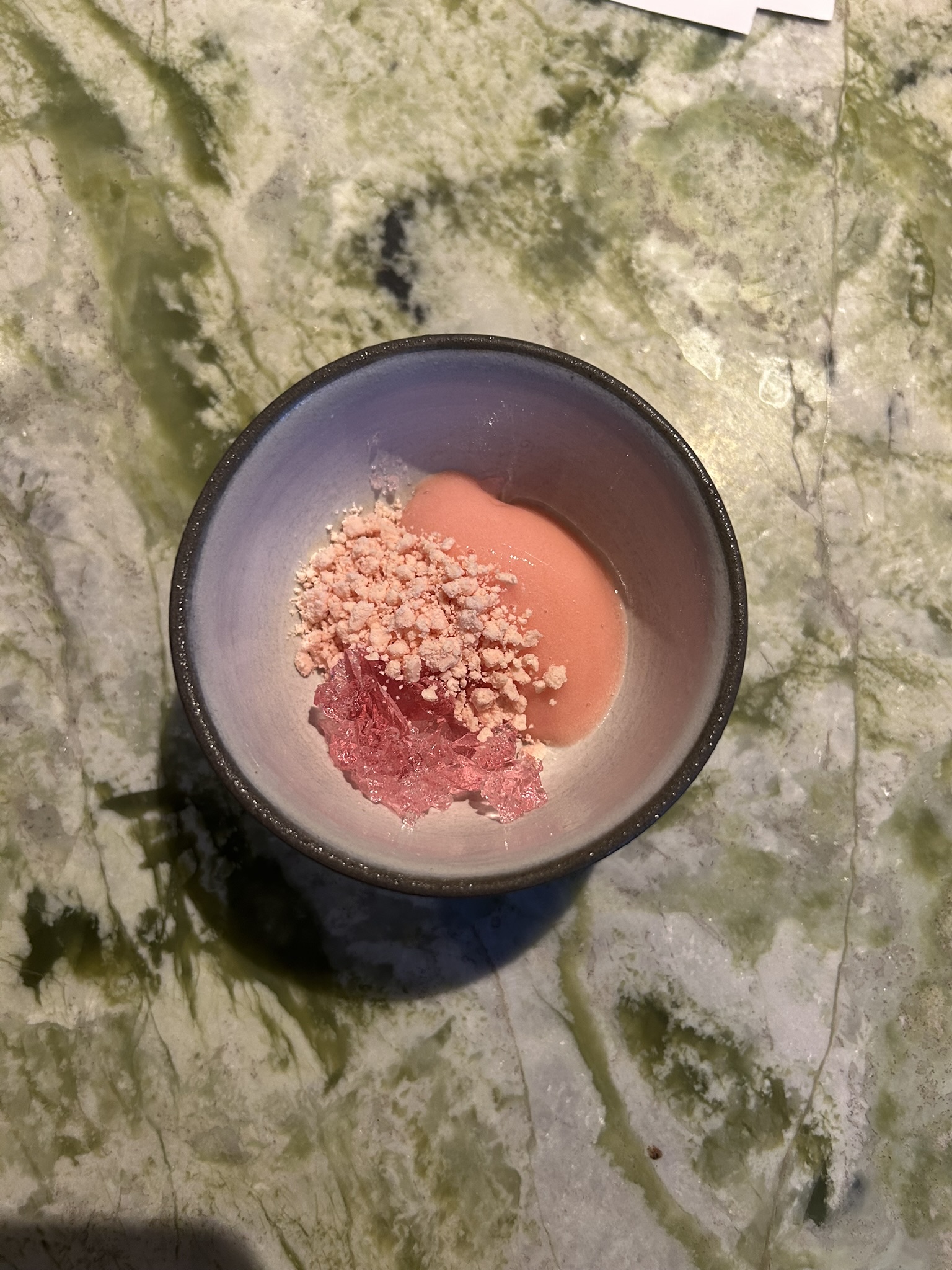
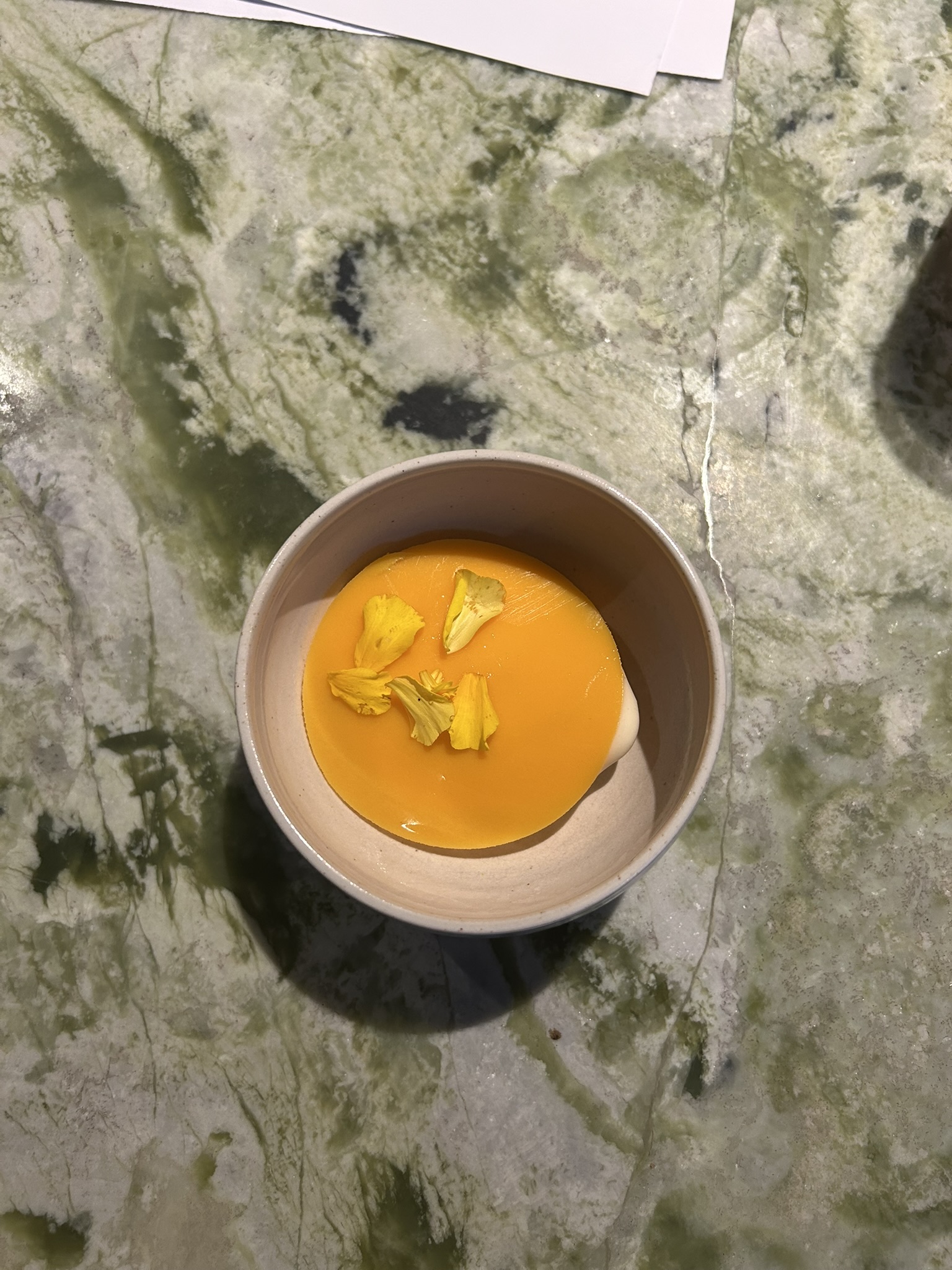
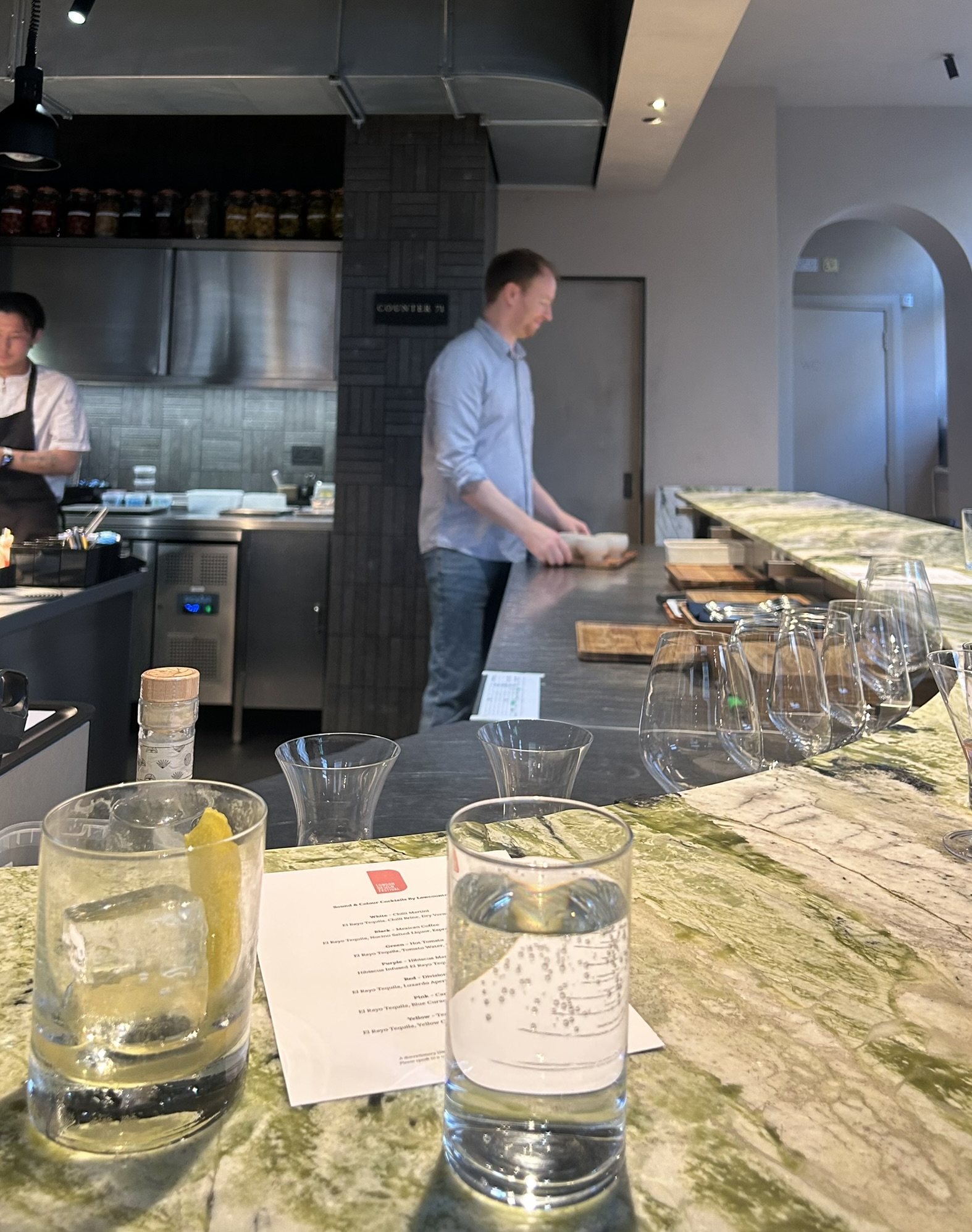
The evening at Sound & Colour was a celebration of sensation with a dinner that invited guests to experience the world through seven monochromatic courses, each inspired by a single color and its emotional undertone. Hosted by Counter 71 and Lowcountry, the experience merged food, design, and sound into a seamless exploration of how color shapes perception.
The setting was intimate, the kind of place where the kitchen is within arm’s reach, and the counter itself feels like part of the performance. The lighting was low, allowing each dish’s color to take center stage. The evening unfolded like a gradient, moving slowly through the spectrum — from quiet whites to deep blacks, through greens and purples, ending in a warm, golden glow.
By the end of the night, the memory of flavor was inseparable from the memory of color. The dinner wasn’t about indulgence but about immersion. It is a reminder that design doesn’t just live in objects or interiors. It lives in the orchestration of the senses, in how sound, color, and taste can align to create a shared, fleeting moment of beauty.
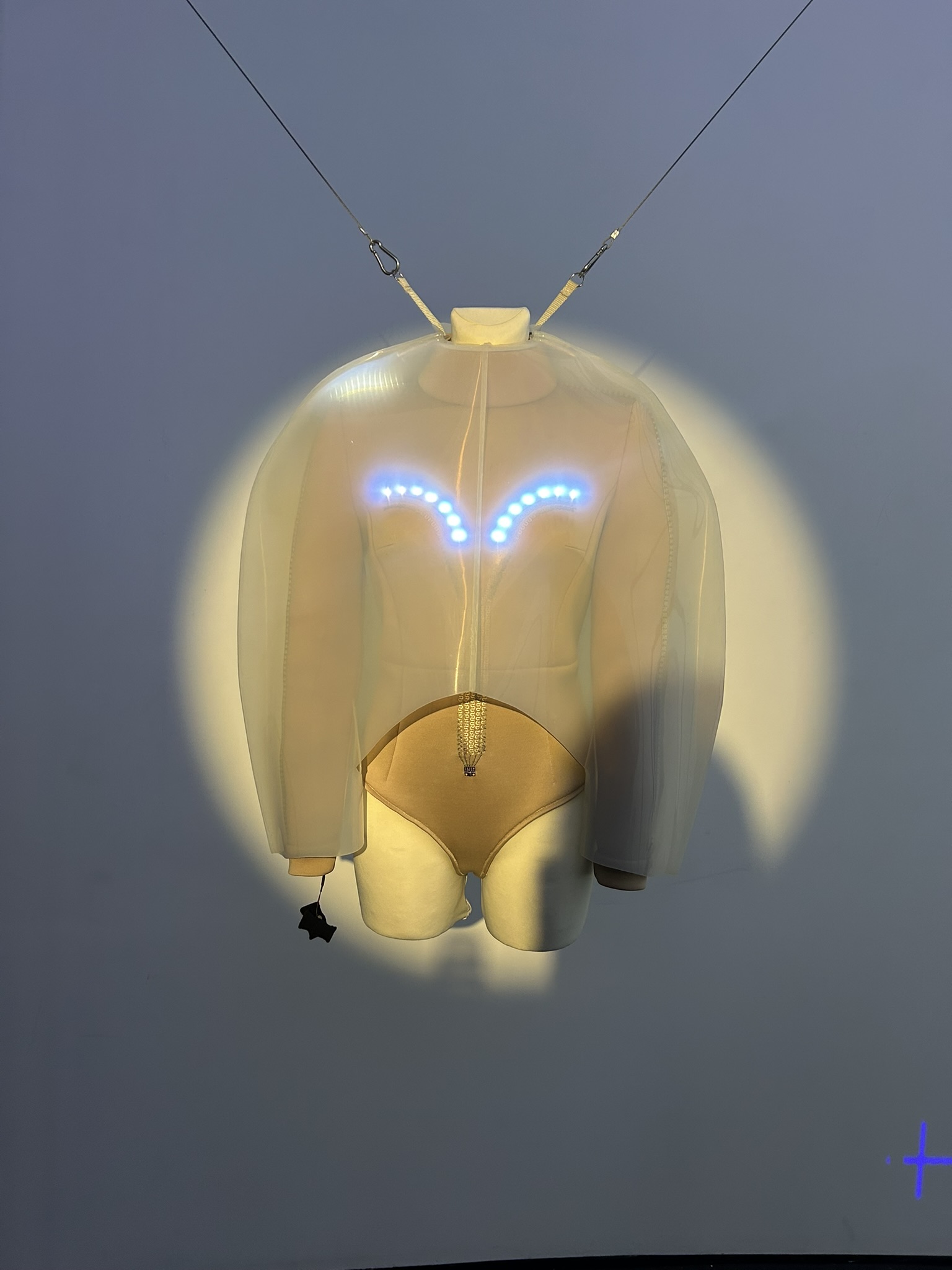


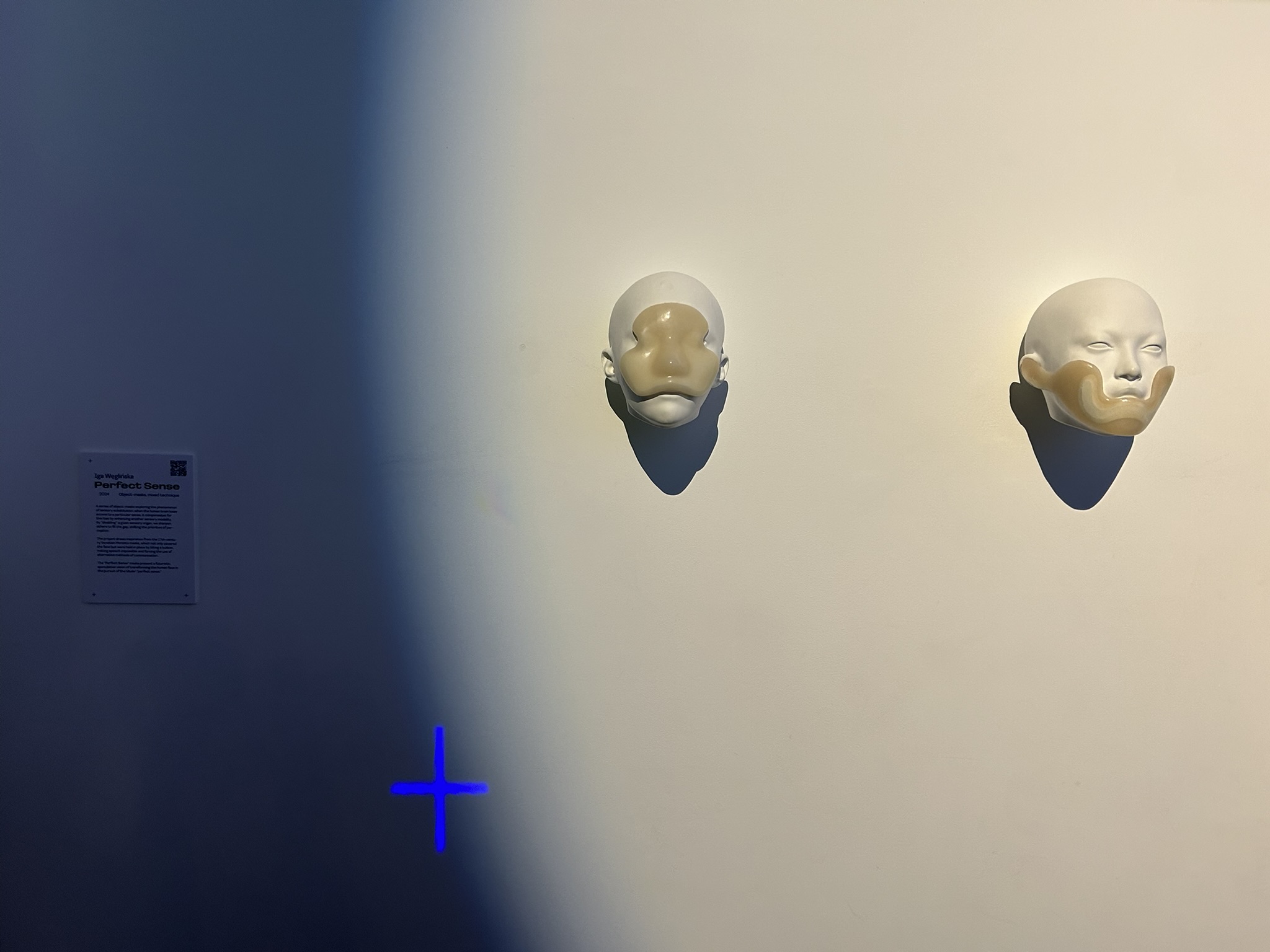

Elusive Sense: On the Fluid Boundaries of Perception
Our final stop of the night, Elusive Sense is an exhibition at art’otel London Hoxton, curated by Anna Szylar. It features work by five Polish artists all probing how technology reshapes our sensory worlds.
The pieces ask urgent questions: Does technology amplify our senses, or erode them by outsourcing perception to machines? How does digital mediation affect our experience of real life?
Highlights include Hash to Ash — converting visitor selfies into physical ash with a worrying commentary on impermanence and memory in the digital age. Another work explores body-tech interfaces and the limits of communication, while another piece examines control mechanisms in our interactions with technology.
In the gallery’s architecture, raw, modern, unadorned, these works float unsettled. The exhibition doesn’t offer answers. It unsettles the viewer, inviting you to question how much of your perception is yours and how much borrowed.
.JPEG)
.JPEG)
.JPEG)
.JPEG)
Reflections: Senses as Design’s True Canvas
Looking back on the day, a theme emerged: design is not just about form, but about experience. Waste was reframed as material, foam was reimagined as sculpture, scent became architecture, food became multisensory theatre, perception itself became the subject of design. It showed us that design is most powerful when it transcends the purely visual and embraces the full human spectrum of experience.