Four Days in London: A Designer’s Story
DDF : London Design Festival Day 2: London Layers

London Design Festival
Day 2 – London Layers: Markets, Museums, and Design in Motion


Following the Thames
Day 1 introduced us to London from above, a panoramic city-in-miniature framed by the Eye. Day 2 was about moving within its layers. The Thames carried us like a thread through time upriver, stitching together the old, the industrial, the intimate, and the whimsical. Along the way, markets and museums, galleries and teahouses revealed London as a city defined not by a single style, but by the layering of many.

Borough Market
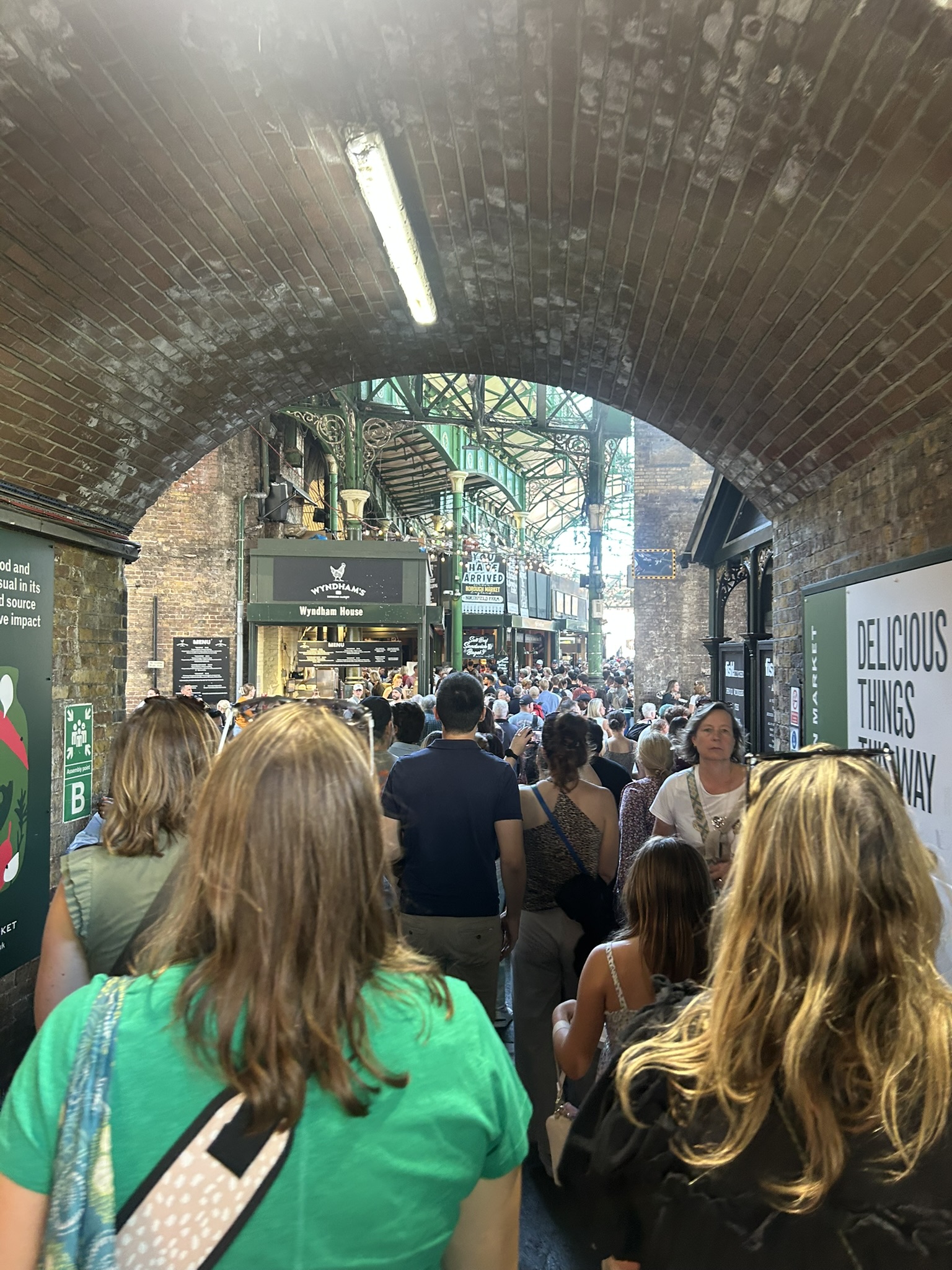
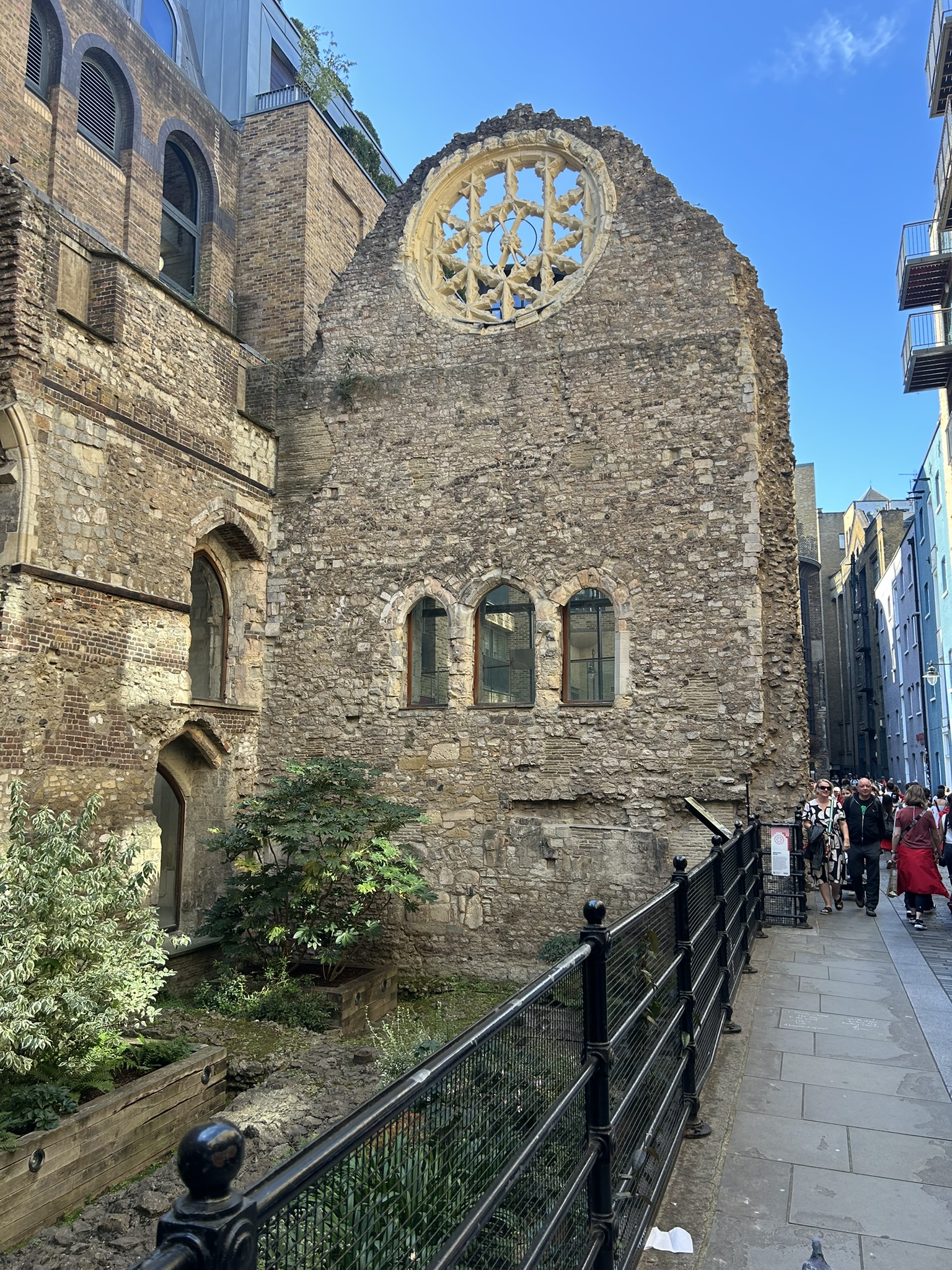
We began with an early lunch at Borough Market. To walk its vaulted passages is to feel London’s history in motion. Technically, this market has been feeding Londoners since the year 1014, making it one of the oldest in the city. Over the centuries, it grew, moved, and was banned (for clogging traffic in 1754), and the market we know today was formally established in 1756.
The structures we see today are largely Victorian. Cast-iron arches and latticed trusses, built in the mid-19th century, gave the market its industrial elegance. The roof’s geometry allows daylight to spill in while protecting from rain. Yet Borough Market is no museum piece. In the late 20th century it fell into decline, its wholesale trade dwindling, before a revival in the 1990s transformed it into the food-and-design mecca it is today.
What fascinates me about Borough Market is not only its history but its adaptive reuse. Modern architects have worked with conservationists to add steel, glass, and careful lighting that respects the historic framework while enhancing its functionality. The effect is a layered interior urbanism.
And then there are the sensory layers: the aroma of baking bread, the calls of vendors, the clatter of knives, the gleam of polished counters beneath old iron beams. Architecture here is not background, but a part of the performance of the market itself.
.JPEG)
Tate Modern
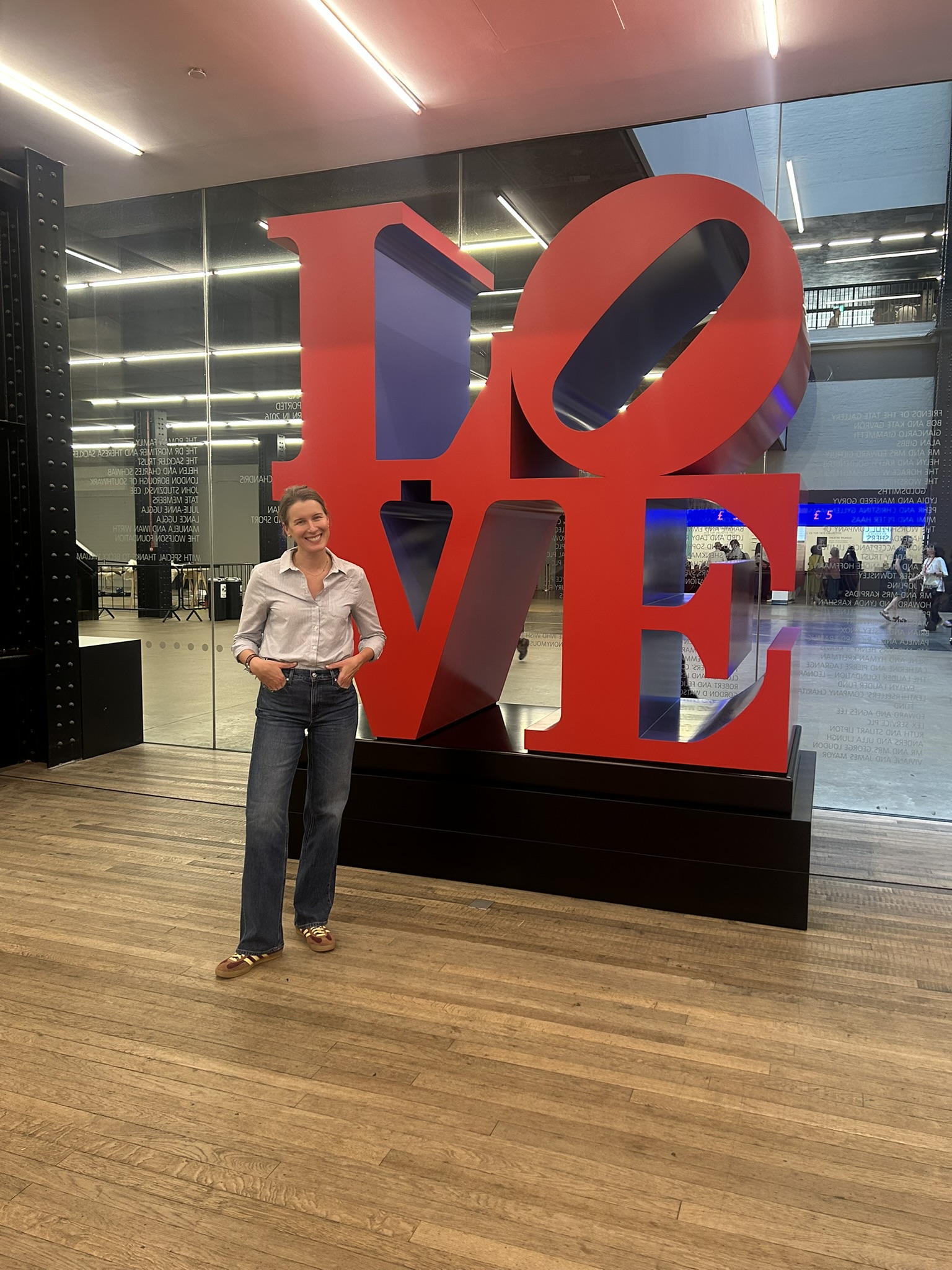
From the chaos of Borough Market, we followed the river to one of London’s most iconic acts of reinvention: Tate Modern.
The building was originally the Bankside Power Station, designed by Sir Giles Gilbert Scott (the same architect behind the red telephone box). It was constructed in phases between 1947 and 1963 with a monumental brick facade and towering chimney – muscular, austere, and functional.
By the 1980s, the power station closed, leaving a hulking shell on the South Bank. Where some saw dereliction, the Tate Gallery saw opportunity. In 1995, Swiss architects Herzog & de Meuron were commissioned to convert the structure into a modern art museum. Their approach was brilliant in its restraint: instead of erasing the industrial bones, they amplified them.
The Turbine Hall, once the cavernous engine room, became the museum’s dramatic heart. At 115 feet high and 500 feet long, it is cathedral-like in scale. The transformation of Bankside into Tate Modern is more than adaptive reuse, it is a strategy for how cities can honor their industrial past while building cultural futures.
.JPEG)
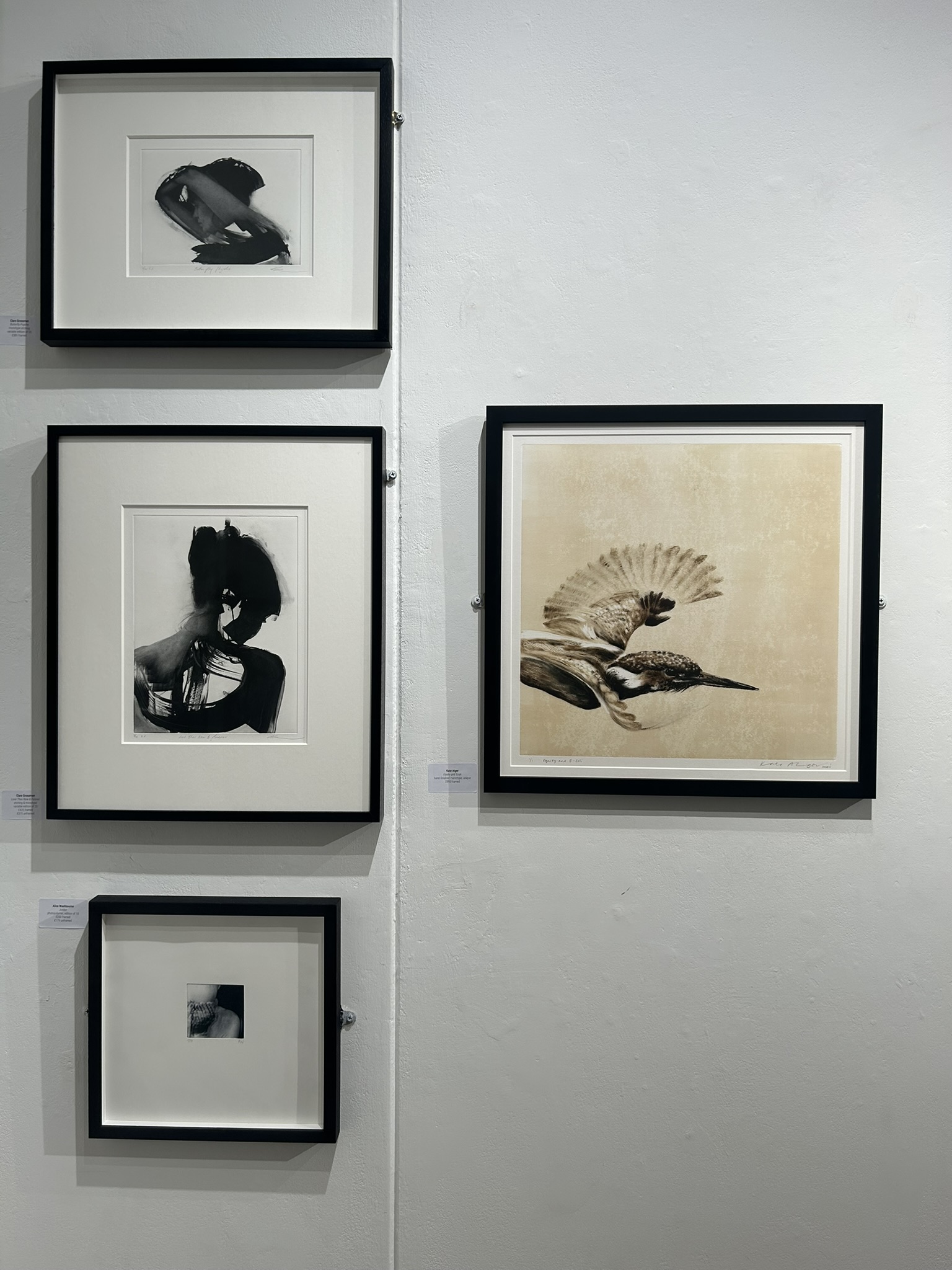
Small but Mighty
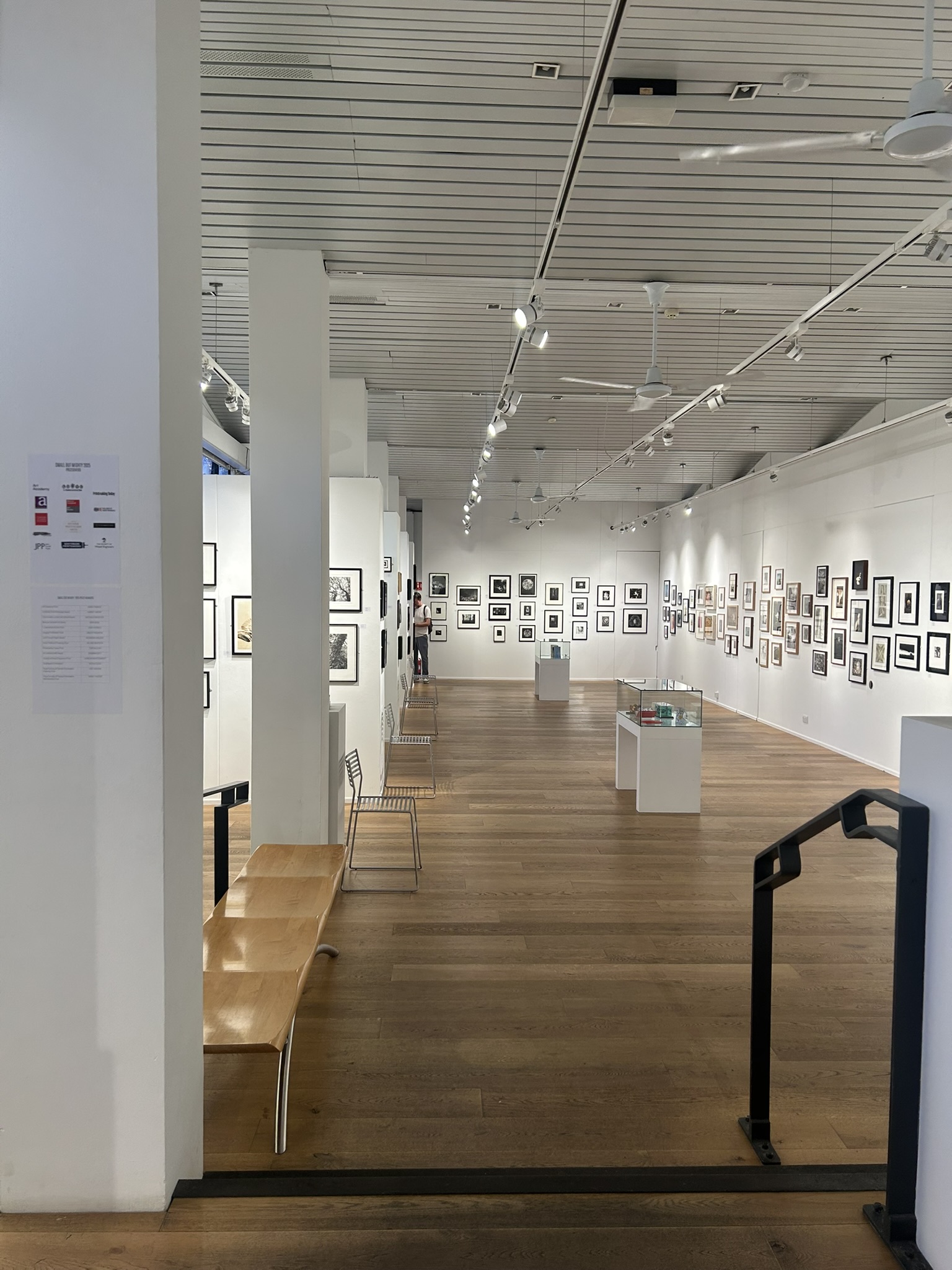
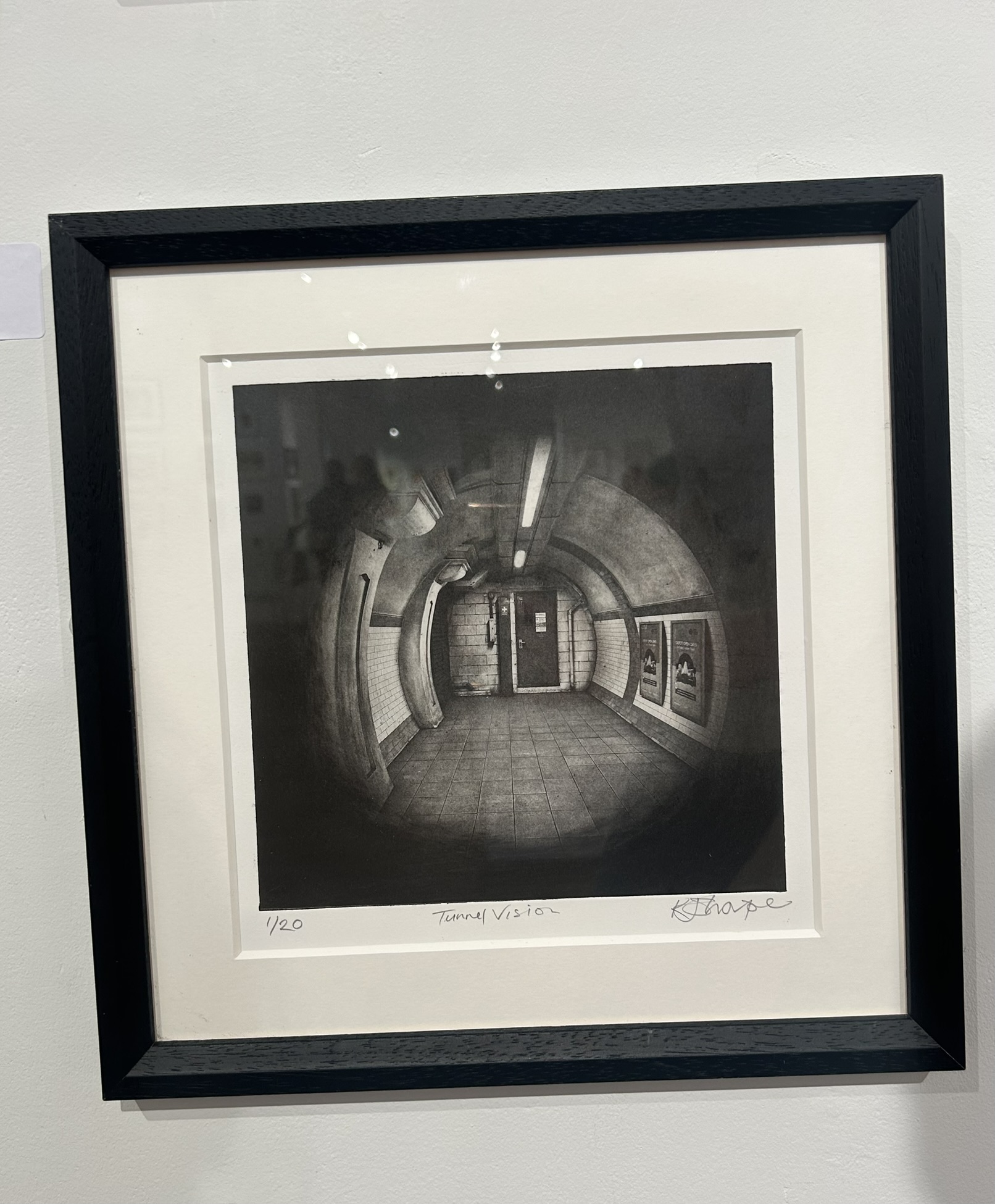
From monumental scale, the festival brought us back to intimacy at the Bankside Gallery, home of Small but Mighty. The exhibition celebrates printmaking in all its forms: etching, lithography, digital print, and experimental hybrids. And showcases how work at a modest physical scale can hold immense conceptual and emotional weight.
The interiors of Bankside Gallery, modest and human-scale, amplified the effect. It reminded us that design’s power is not measured in size but in resonance, that a small intervention in a room can shift how we live within it.
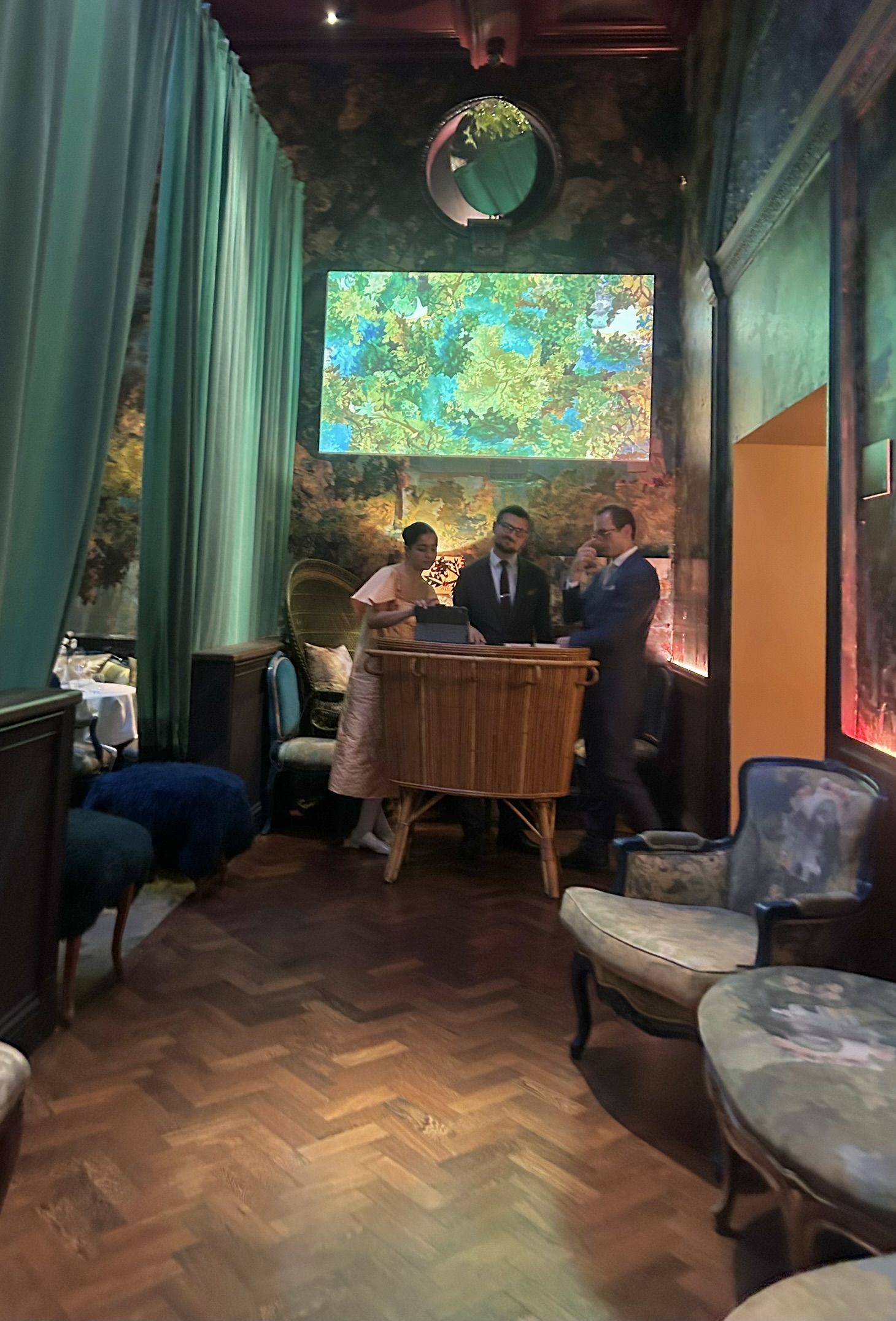
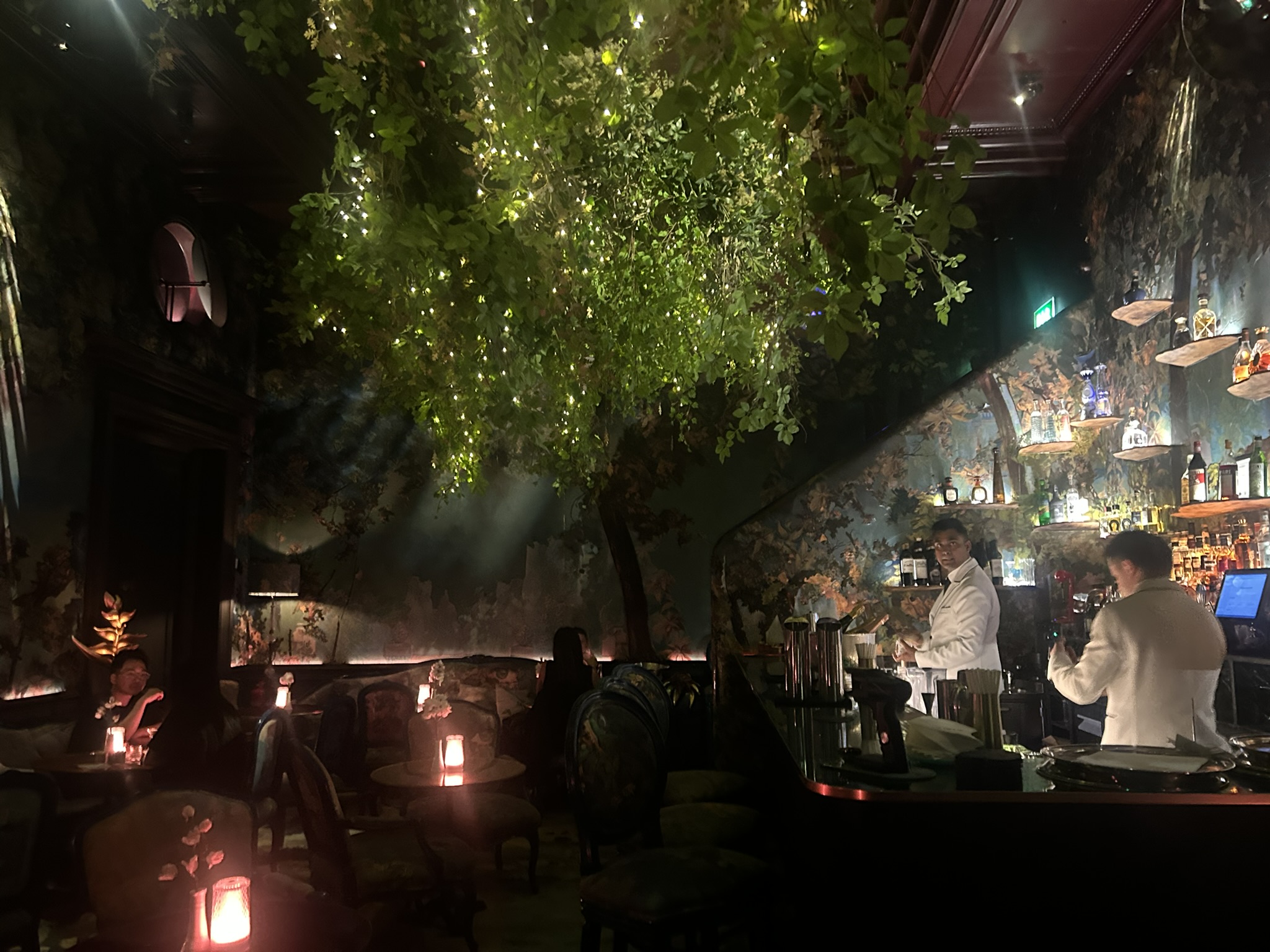
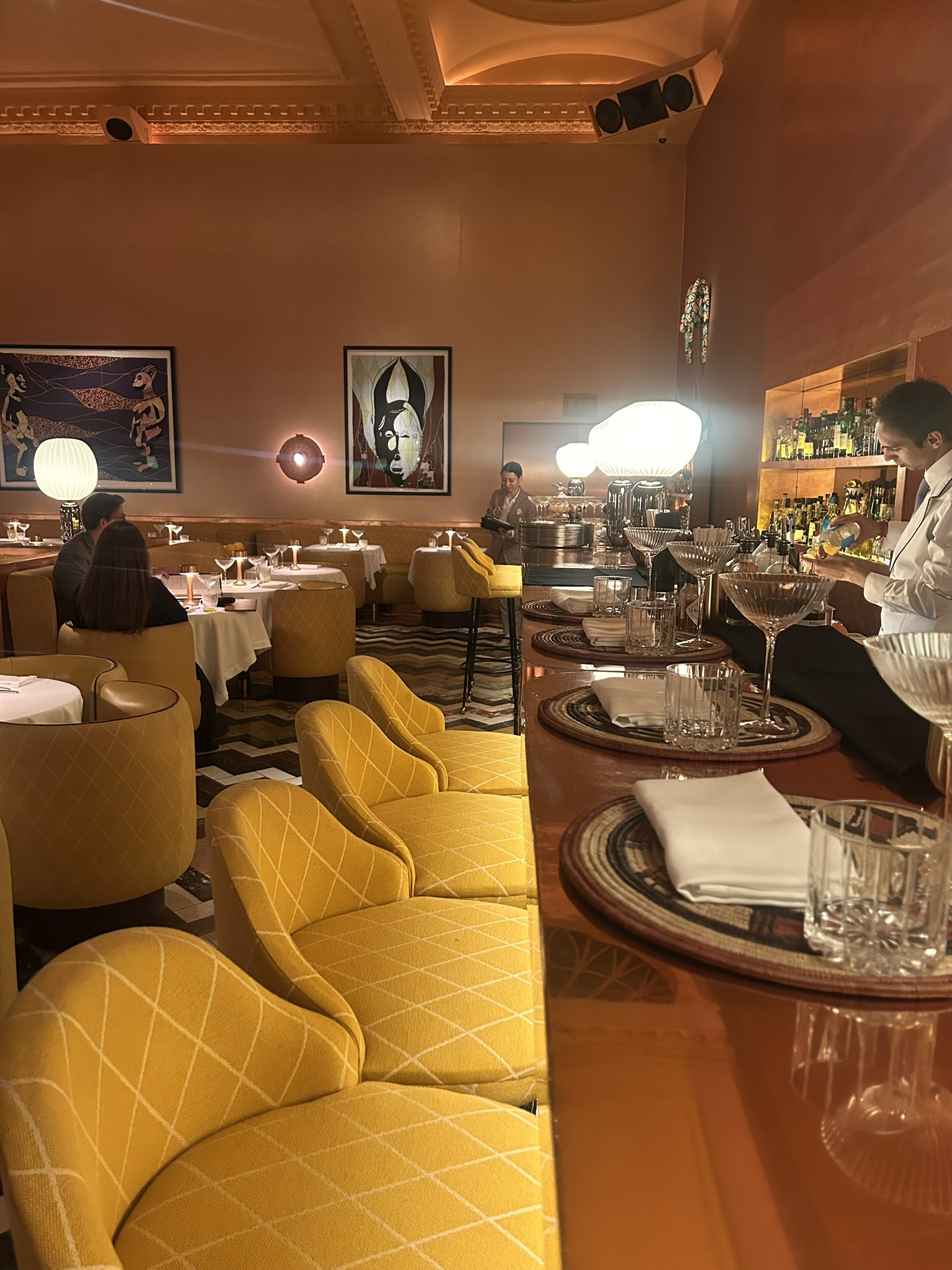

Sketch: Afternoon Tea
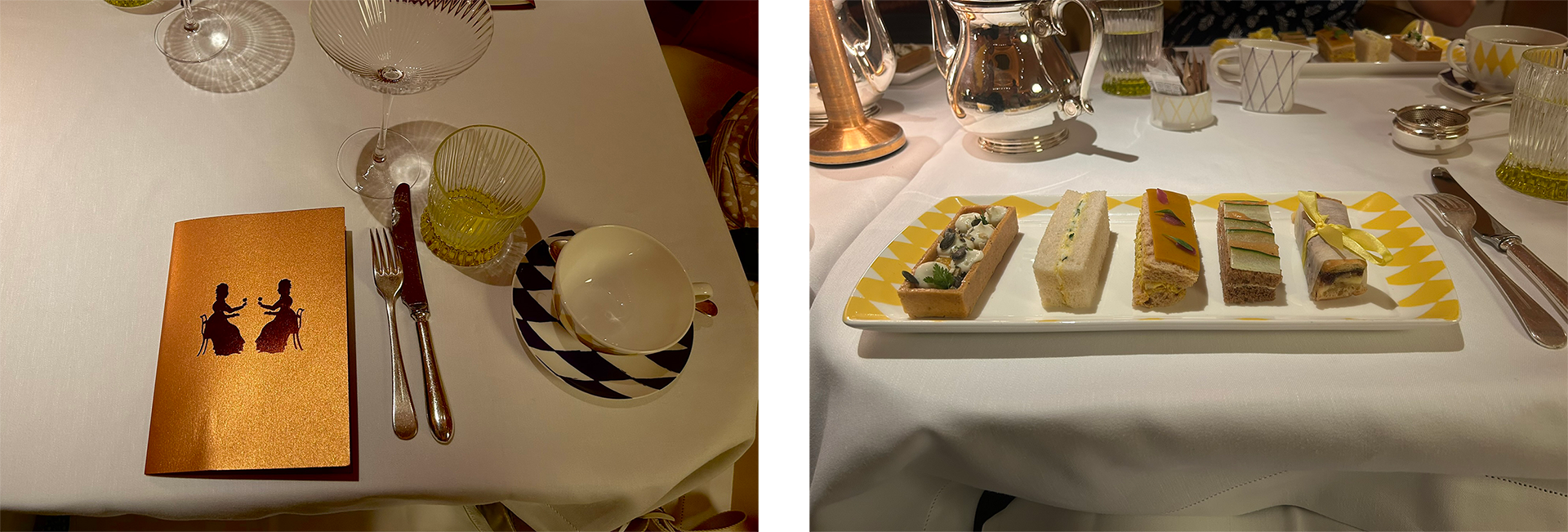
If Borough Market represents continuity, Sketch represents reinvention. Located in an 18th-century townhouse on Conduit Street in Mayfair, Sketch opened in 2002 under the vision of French restaurateur Mourad Mazouz. From the start, it was conceived not just as a restaurant but as a hub for art, design, and performance. Its multiple rooms each became canvases for experimentation, the Lecture Room, the Glade, the Parlor, but none has captured the public imagination quite like the Gallery.
For nearly a decade, the Gallery was defined by designer India Mahdavi’s millennial pink dreamscape. Launched in 2014, the room featured plush, rose-colored banquettes, brass detailing, and over 200 witty line drawings by artist David Shrigley lining the walls. It was Instagram’s favorite dining room, a pastel fantasy that made afternoon tea not only a meal, but an aesthetic experience.
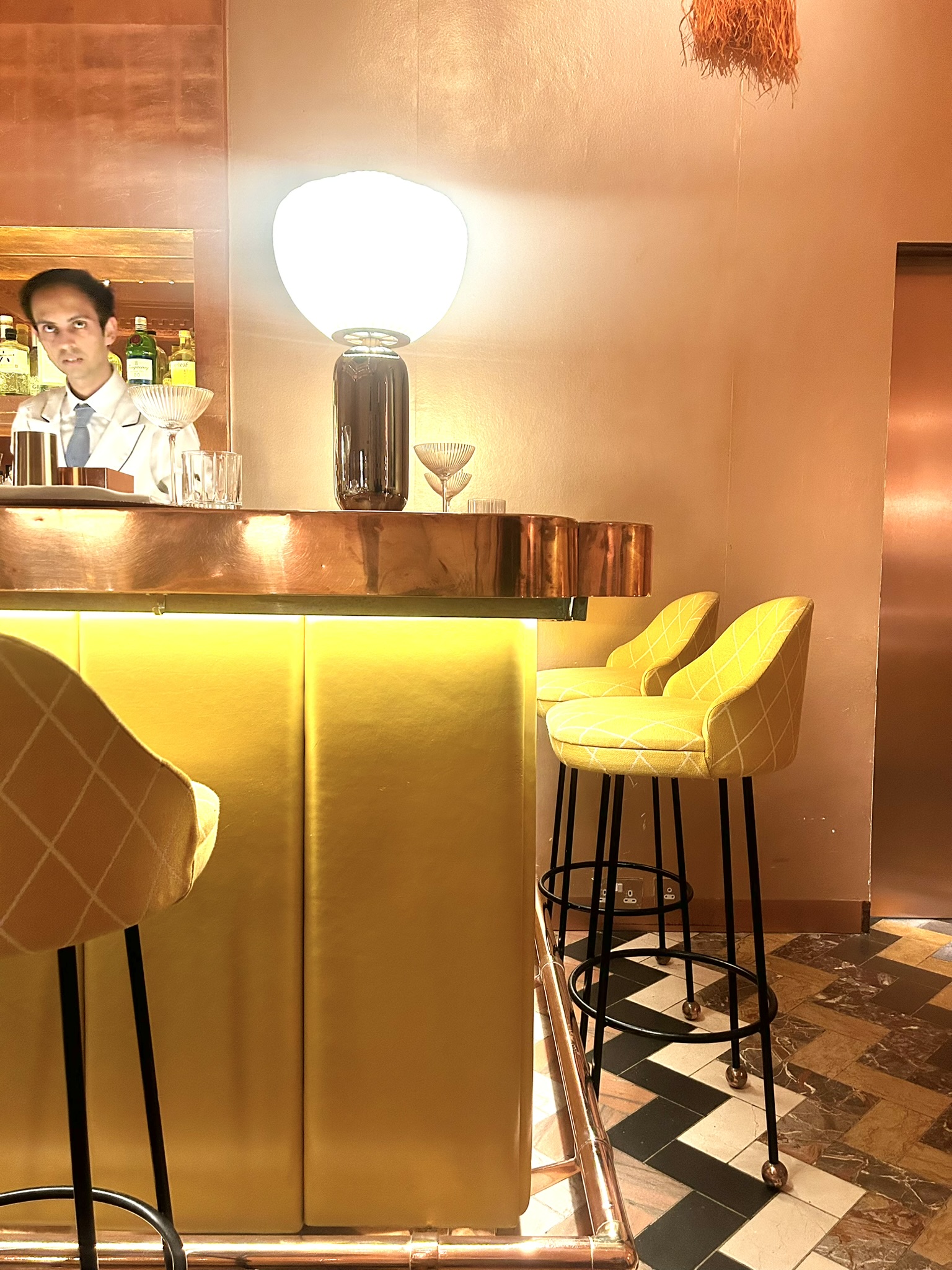
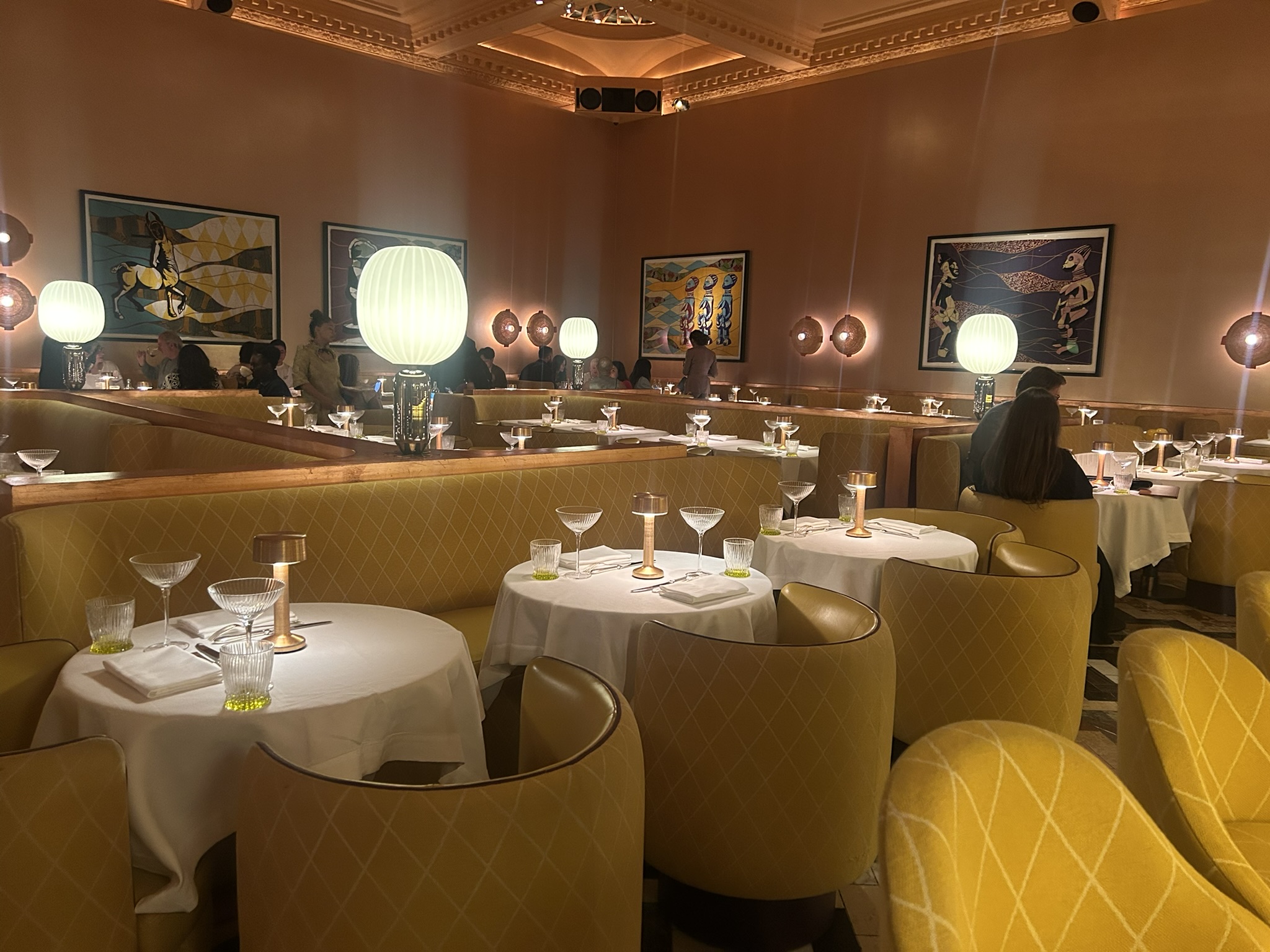
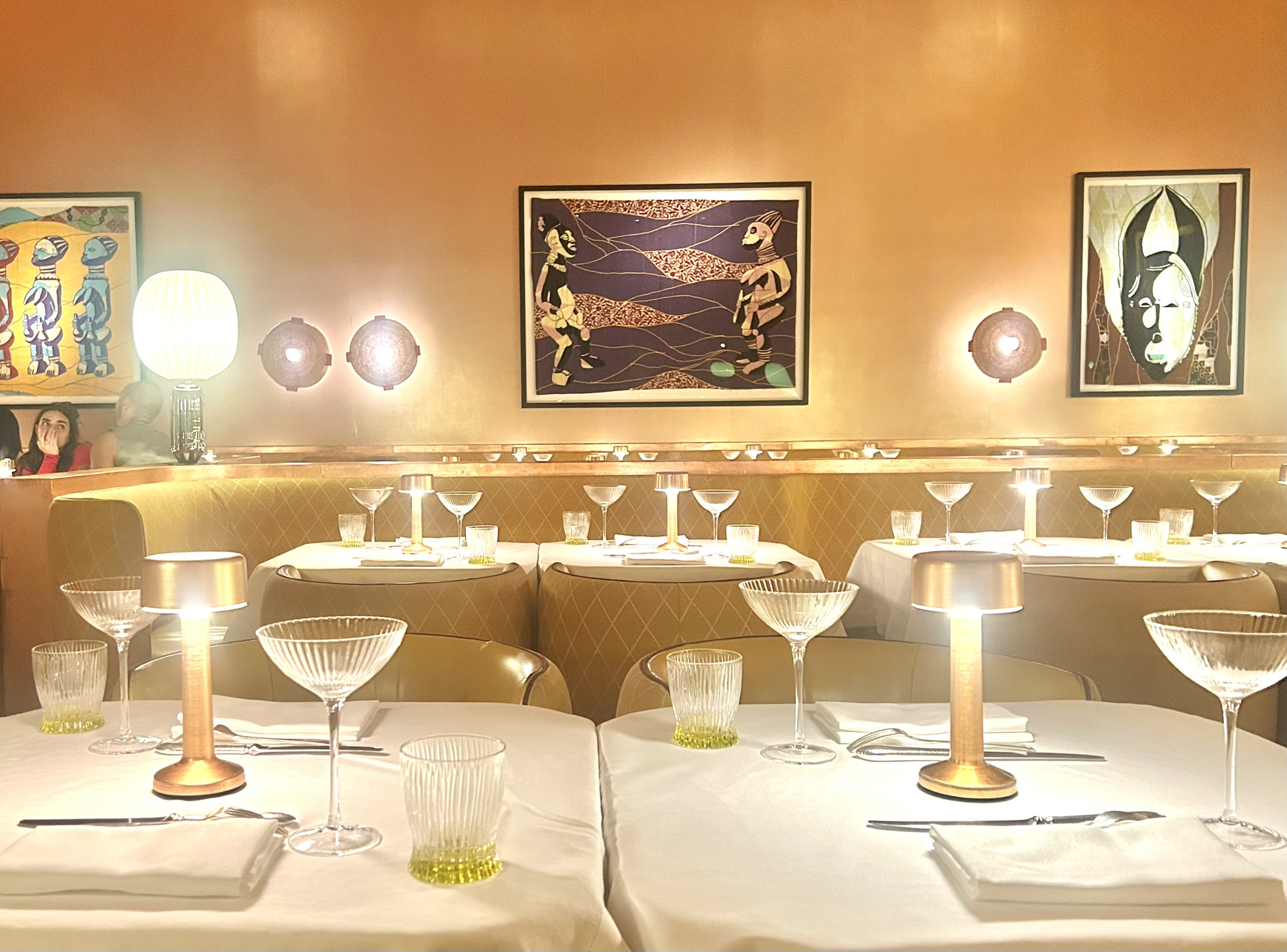
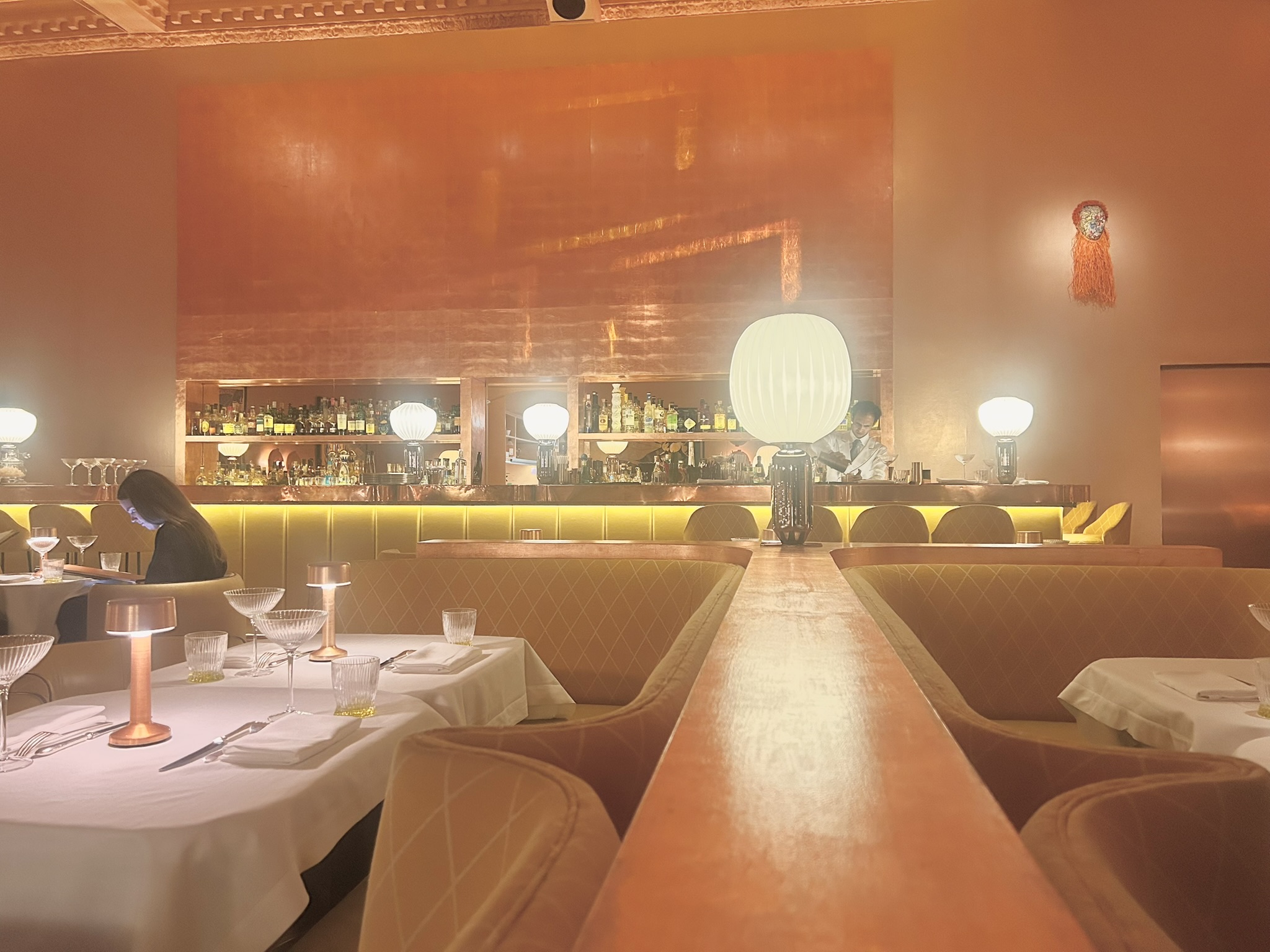
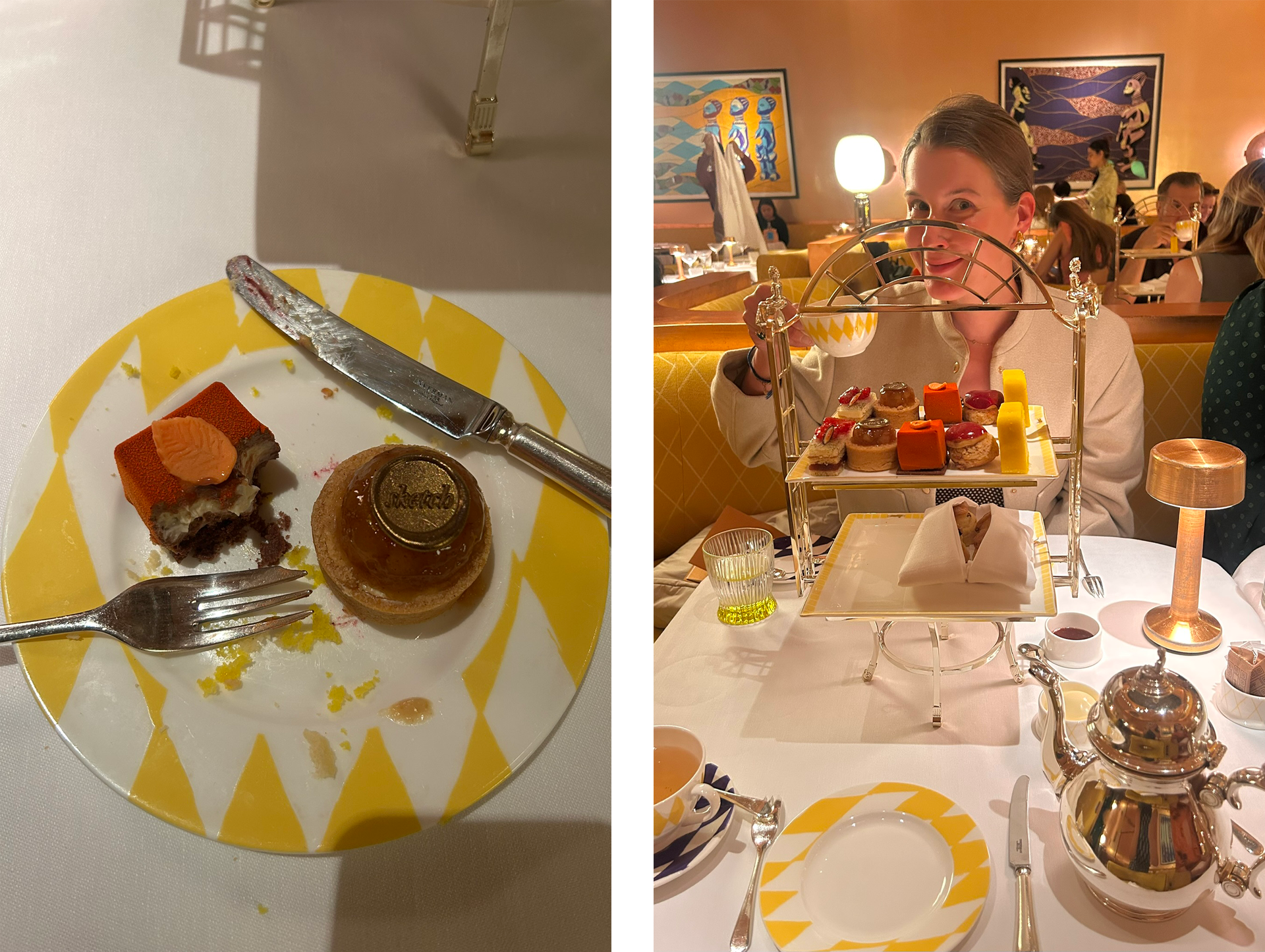
But Sketch is never static. In 2022, Mahdavi returned to reinvent the Gallery again. This time, the room was drenched in bold yellows and rich textures, shifting from pink whimsy to sun-drenched opulence. Mahdavi described the change as “a celebration of color’s emotional range” proving that even a beloved interior can be refreshed without losing its essence.
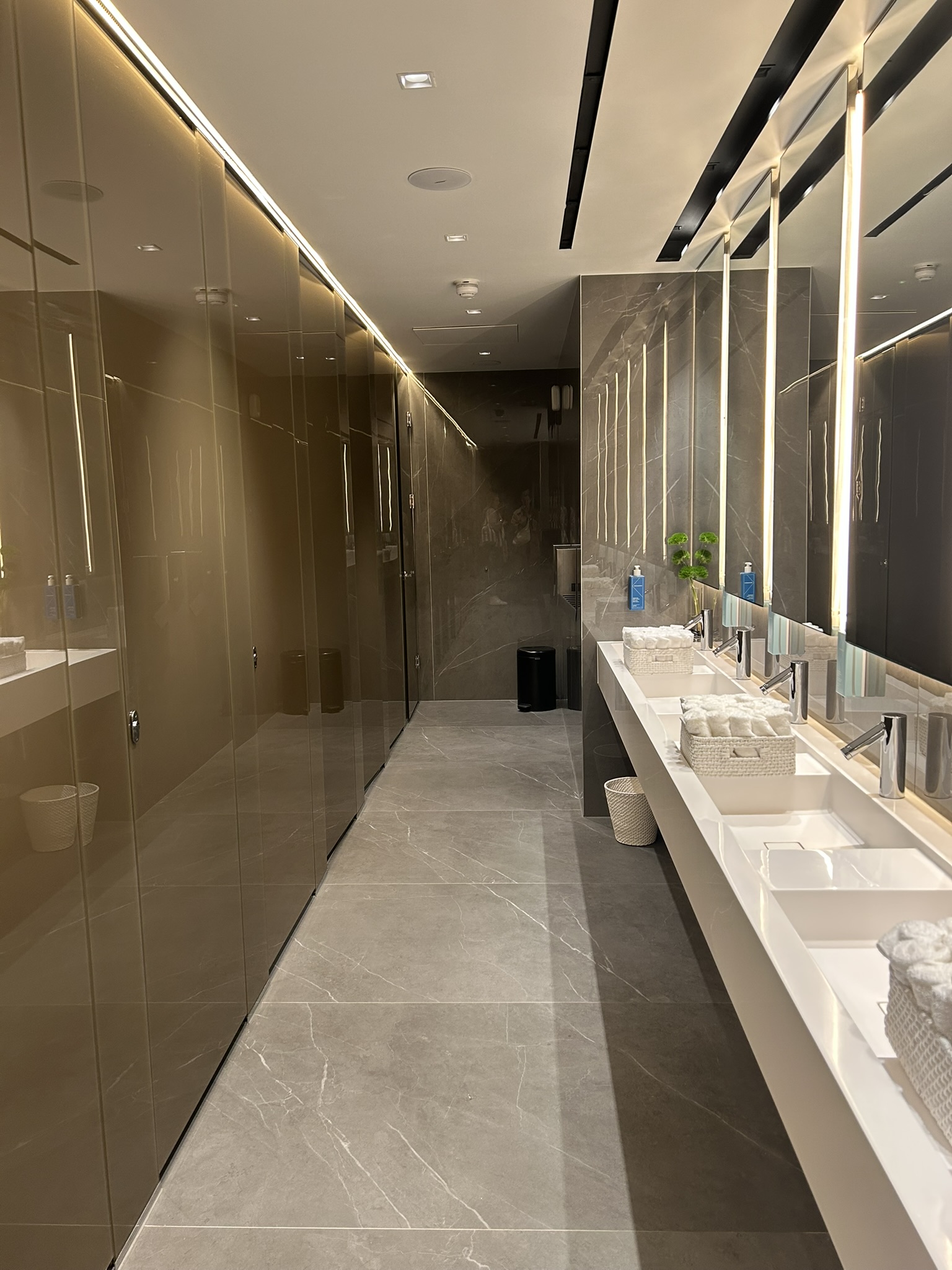
What makes Sketch remarkable is its commitment to holistic theatricality. The design isn’t limited to furnishings and colors. The wait staff move like performers, their uniforms part of the visual identity. The menu items arrive as sculptural compositions. Even the bathrooms are world-famous: futuristic egg-shaped pods set beneath a kaleidoscopic ceiling of colored tiles.
Afternoon tea at Sketch was an immersive experience. The setting dictates behavior: guests lean into the performance, photographing details, laughing at the sketches that are included in the menu, marveling at the serving ware as if they were art objects. The boundaries between dining, design, and art simply dissolve.
The Day’s Arc: From Monumental to Intimate
Day 2 was a study in layers of scale. Borough Market embodied history and community, Tate Modern represented industrial transformation into cultural icon, the festival exhibits emphasized intimacy and narrative, and Sketch turned dining into a surrealist stage.
Each stop revealed a different layer of London’s design identity: adaptive reuse, monumental reinvention, intimate storytelling, and playful theatricality. Together, they formed a composite portrait of a city that thrives on contrast and accumulation.